 SGNUTRI


البحث عن المنتج
مما يتكون البولي دكستروز
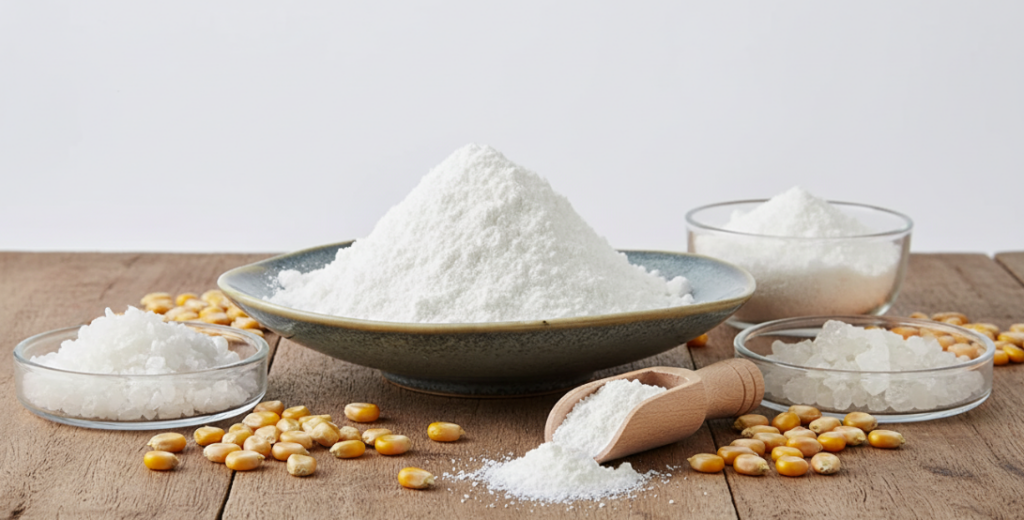
بولي دكستروز هو في الواقع بوليمر صناعي شديد التعقيد ومتعدد التشعبات من الجلوكوز. ويتم إنتاجه عن طريق البلمرة العشوائية لثلاث مواد خام: حوالي 901 تيرابايت 3 تيرابايت 3 تيرابايت من الجلوكوز المشتق من الذرة، و101 تيرابايت 3 تيرابايت 3 تيرابايت من السوربيتول، و11 تيرابايت 3 تيرابايت من حامض الستريك.
تتم عملية التخليق هذه في بيئة عالية التفريغ ودرجة حرارة عالية، حيث يعمل حمض الستريك كمحفز حمضي، مما يعزز تكثيف الجفاف للجلوكوز والسوربيتول، ويشكل في النهاية بنية كربوهيدراتية ذات تفرعات غنية جدًا. يختلف تمامًا عن تلك السكريات البسيطة، حيث يحتوي المنتج الناتج على عدد كبير من الروابط الغليكوزية 1،6-غليكوزيدية التي يصعب على الإنزيمات الهاضمة في جسم الإنسان تفكيكها. هذا التركيب الكيميائي الفريد من نوعه هو أصل ما يميزه بأنه “ألياف غذائية قابلة للذوبان في الماء” و“موسع منخفض السعرات الحرارية” - فهو يوفر سعرات حرارية واحدة فقط من السعرات الحرارية لكل جرام، بينما يظهر ثباتًا ممتازًا في الأطعمة المصنعة.
ثلاث مواد أولية
لفهم طبيعة البولي دكستروز بشكل كامل، عليك أن تتعرف على نسب هذه المكونات الثلاثة والأدوار التي تؤديها. فالجلوكوز هو العمود الفقري للبوليمر بأكمله، حيث يوفر وحدات الجلوكوز اللازمة لبناء البنية. إذا كان هناك جلوكوز فقط، فإن أفضل ما يمكن التخلص منه هو النشا سهل الهضم أو نوع من الشراب.
من أجل تحويله إلى ألياف غير قابلة للهضم، تتم إضافة السوربيتول إلى التركيبة بتركيز 10%، والذي يعمل كملدن و“يغطي” نهايات سلاسل البوليمر، مما يضمن أن المنتج النهائي مستقر بما فيه الكفاية ولا يتبلور في المنتج النهائي. ويُعد الجزء الأخير 1% من حمض الستريك هو “المحرك” الرئيسي للتفاعل؛ وباعتباره محفزًا حمضيًا، فإنه يبدأ عملية البلمرة دون أن يستهلك بكميات كبيرة، مما يسمح لجزيئات الجلوكوز بالارتباط بطريقة عشوائية غير مرتبة.
عملية التوليف
عملية التصنيع نفسها مهمة للغاية مثلها مثل المواد الخام. وتتعرض هذه المواد الخام إلى بلمرة التكثيف الشديدة للغاية في ظل ظروف تفريغ الهواء بدرجة حرارة عالية.
في هذه البيئة الخاضعة للرقابة، يحفز حمض الستريك الجلوكوز والسوربيتول على فقدان الرطوبة والاندماج معًا. ولا يكون التركيب الجزيئي لهذا الشيء سلسلة طويلة خطية مثل نشا الدقيق، بل بنية كروية متعددة التشعبات. ونظرًا لأن هذه الروابط الكيميائية تتولد بشكل عشوائي، فإن النتيجة هي إحدى الروابط التي لا يتعرف عليها الجهاز الهضمي البشري، ولهذا السبب لا يستخدمها الجسم كمصدر منتظم للطاقة.
الألياف القابلة للذوبان
الألياف الغذائية القابلة للذوبان بالجملة، مناسبة للمكملات الغذائية والمنتجات الغذائية وغيرها.
بريبايوتك
تقديم مكملات الألياف الغذائية البريبايوتية ومنتجات بدائل السكر.
النشا السكر
مصنوع من المالتوديكسترين والجلوكوز، وهو مناسب للاستخدام في الأطعمة والمشروبات.
ألياف الصويا
توفر ألياف الصويا عالية الجودة مواد خام لصناعات مثل المكملات الغذائية.
البروتين
البحث عن الطفيليات المنخفضة للغاية وسلامة الإشارة للتطبيقات التي تزيد عن 100 جيجاهرتز.
الفيتامينات
شركة تصنيع فيتامينات عالية الجودة تخدم صناعة الأغذية والمكملات الغذائية.
المادة الكيميائية الأساسية “غير القابلة للهضم”
يكمن السبب وراء تصنيف البولي دكستروز على أنه E1200 بدلاً من السكر في بنيته الداخلية. فمعظم الكربوهيدرات الطبيعية مرتبطة بروابط 1،4 روابط، ويمكن لأدوات مثل الأميليز اللعابي في أجسامنا قطعها في دقائق.
ومع ذلك، فإن تخليق بولي دكستروز ينتج عنه عدد كبير من الروابط 1،6-جليكوسيدية. وتشبه هذه الروابط المعقدة “درعًا بيولوجيًا”. عند الابتلاع الفعلي، تكون هذه الروابط مقاومة بشدة للتحلل المائي بواسطة الإنزيمات في الأمعاء الدقيقة. هذا هو الأساس العلمي لها كألياف غذائية قابلة للذوبان في الماء: فهي تستطيع بشكل أساسي المرور عبر الجهاز الهضمي العلوي تمامًا، والوصول إلى الأمعاء الغليظة بسلاسة، وتلعب دورًا حيويًا هناك.
من التركيب إلى الوظيفة
وينتج عن هذا المزيج الخاص من المكونات في نهاية المطاف مكون قوي للغاية. نظرًا لأن جسم الإنسان لا يمكنه استقلاب سلاسل الجلوكوز المرتبطة بـ 1،6-روابط، تنخفض كثافة السعرات الحرارية من 4 كيلو كالوري/غرام من السكر العادي إلى 1 كيلو كالوري/غرام.
بالنسبة للأصدقاء الذين يقومون بالبحث والتطوير، فإن هذا يجعل من البولي دكستروز الخيار الأول لاستبدال السكر والدهون. عندما تزيل السكر أو الدهون من التركيبة من أجل تقليل السكر، سينهار “وزن” و“طعم” الطعام على الفور؛ ويمكن لهذه النسبة المحددة من البولي دكستروز أن تملأ هذه الفراغات المادية دون إعادة السكر.
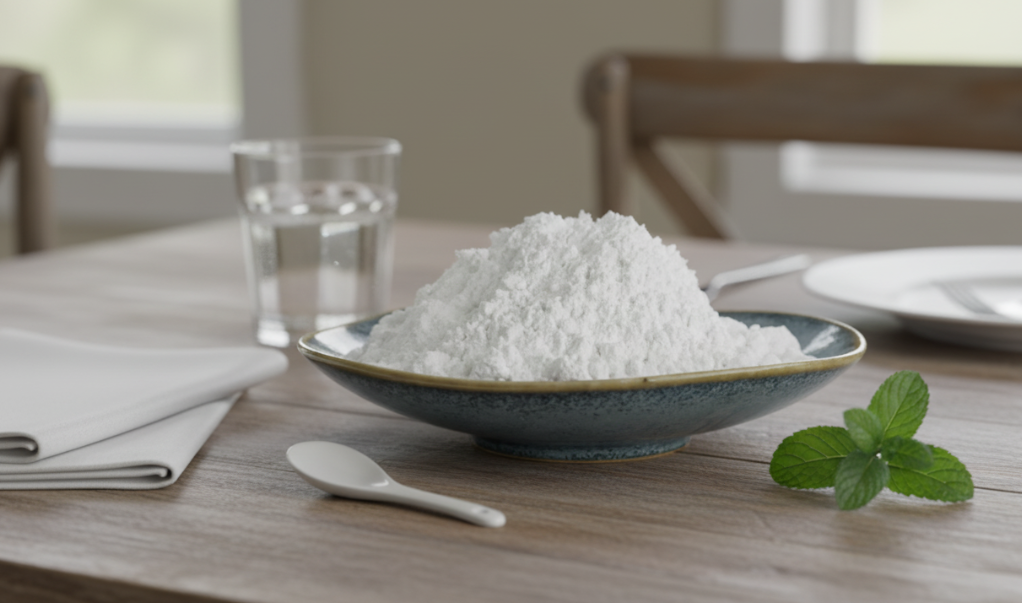
الملخص
عندما تسأل عن مكونات البولي دكستروز فإن الإجابة تكمن في الاندماج الدقيق المحفز بالأحماض للجلوكوز والسوربيتول وحمض الستريك. وهذا في الواقع نموذج مصغر لعلم الأغذية - وهو عبارة عن إعادة ترتيب المكونات البسيطة المشتقة من الذرة في ألياف معقدة ومقاومة للحرارة ومنخفضة السعرات الحرارية للاستجابة بدقة لاحتياجات خفض السكر الصارمة في صناعة الأغذية الحديثة.
المؤلف: جوليان ميلر
طوال مسيرتي المهنية في كل من المختبر والإعدادات السريرية، تخصصت في التأثير الأيضي والخصائص الوظيفية لبوليمرات الكربوهيدرات. وتتمثل مهمتي في سد الفجوة بين التركيب الكيميائي المعقد والشفافية الغذائية، ومساعدة المتخصصين في هذا المجال والمستهلكين المهتمين بالصحة على فهم العلم الكامن وراء كل مكون على الملصق.
التوصيات ذات الصلة
-

هل يساعد فيتامين C في علاج صداع الخمر
538نعم، يساعد فيتامين C على التعافي من صداع الكحول عن طريق تعزيز الجلوتاثيون. اكتشف كيف يعمل 1,000 ملغ على تحييد السموم وتسريع التعافي.
عرض التفاصيل -
مراجعة الإيزومالت الطبيعي - مُحلي ينجز المهمة بالفعل
1291تعرّف على ما إذا كان الإيزومالت طبيعياً، واكتشف لونه وملمسه واستخدامه الوظيفي كبديل للسكر منخفض السعرات الحرارية.
عرض التفاصيل -
هل يسبب لك انخفاض فيتامين (د) الدوار؟
594هل يسبب لك انخفاض فيتامين د الدوار؟ نعم. يؤثر على بلورات الأذن الداخلية (Bppv) والتوازن. تعرف على الأعراض والعلاجات هنا.
عرض التفاصيل -
هل الألولوز مُحلي طبيعي أم صناعي؟ الحقيقة
103هل الألولوز مادة طبيعية أم اصطناعية؟ اكتشف الحقيقة حول سلامة هذا السكر النادر وفوائده في نظام كيتو.
عرض التفاصيل