
Isomalto Oligosaccharides

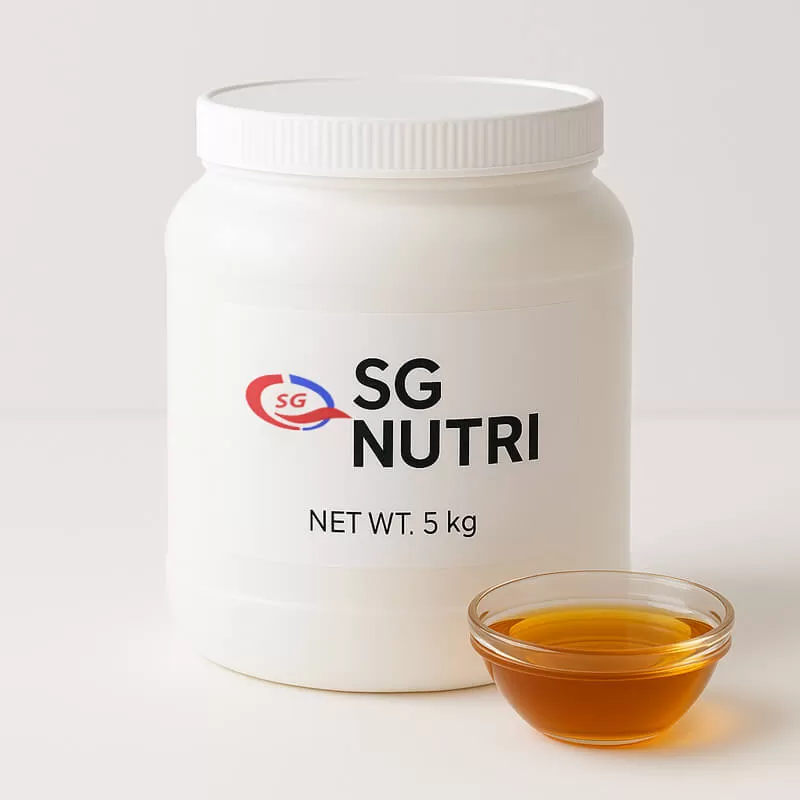
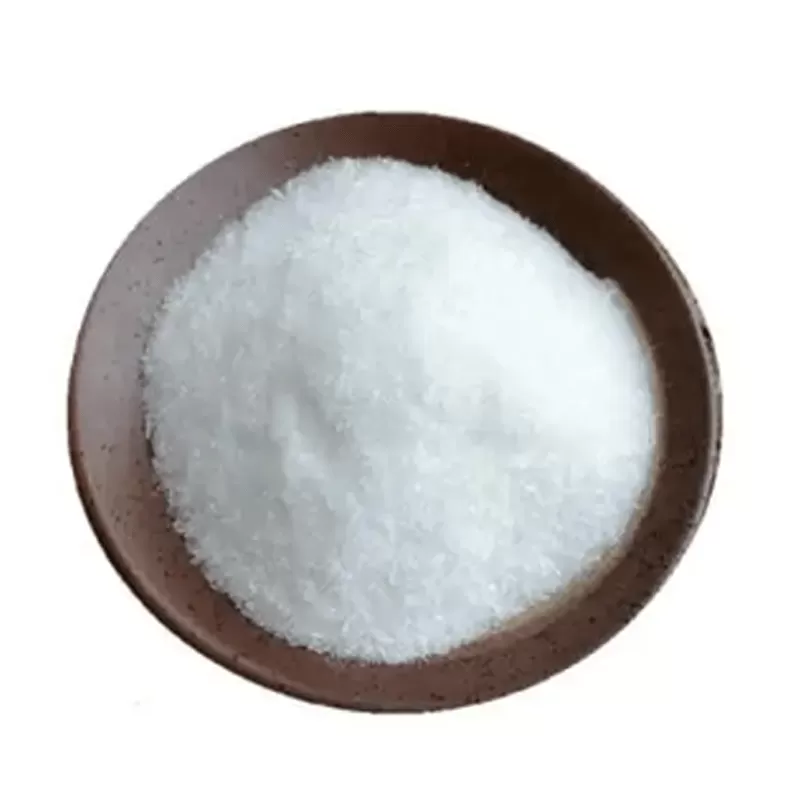
Isomalto oligosaccharides are compared here by documented composition and processing form, with syrup and powder options shown against their grade profiles. The target formulation and market determine the relevant performance and label review.

Grade comparison uses the declared specification, physical form, and intended process as the primary decision context.

Read the Composition Before You Compare IMO Grades

Product List

Commercial IMO is not one pure molecule. It is a mixture of glucose-based saccharides produced through enzymatic conversion of starch, and two products sold under the same category name can carry different proportions of shorter and longer chains. That difference matters before sweetness, texture, or a nutrition claim is discussed.

Like-for-Like Comparison Uses Assay and Fractions

The dry-basis IMO assay, declared carbohydrate fractions, and test method establish the relevant comparison. A total IMO value and a value for selected components such as isomaltose, panose, and isomaltotriose answer different questions. DP distribution is especially important because lower- and higher-DP fractions are not equally resistant to digestion.

The current specification and a lot-specific certificate of analysis provide the evidence for a grade comparison. The short name “IMO” is not enough to support a fiber assumption, a prebiotic claim, or a direct switch between grades.

Syrup and Powder Fit Different Process Conditions

Product List

Syrup can enter a wet process without a separate dissolution step, which is useful in beverages, dairy systems, confectionery, fillings, and bar binders. Its dissolved-solids level still changes the formula’s water balance, and viscosity, pumping temperature, clarity, and sweetness should be checked in the actual base.

Powder suits dry blends and processes that need tighter control of added water. Plan the addition sequence, dust control, moisture protection, and dissolution conditions rather than assuming the powder will behave like a dry copy of the syrup.

Run a pilot in the finished formula and compare body, binding, sweetness, clarity, and texture. The best physical form is the one that reaches the target result with the fewest process corrections.

Validate Claims and Lots Before Scale-Up

Product List

Category research on gut microbiota and short-chain fatty acids can guide product development, but it does not automatically prove the performance of every commercial grade or finished food. Composition, dose, processing, and the rest of the formula can change the result.

For a U.S. launch, the current treatment of the specific ingredient determines whether it can be counted as dietary fiber or used in a prebiotic statement. The scientific rationale, supplier specification, and finished-product label review remain three separate records.

Before scale-up, the target function is aligned with the grade specification, the lot certificate and microbiological limits are reviewed, the ingredient is tested in the real process, and the final label is approved for each sales market.

IMO Grades and Processing Forms

Four commercial IMO options combine two declared content levels with two processing forms. The 500 and 900 levels correspond to different composition targets, while syrup and powder correspond to different ways the ingredient enters a formula.

Plan Samples, Packaging, and Bulk Supply

The first sample is tied to a clear formulation question, while the commercial quotation identifies the current package, lot, quote, and ship window.

Sample / Formulation Trial

Lab sample: request one or more selected grades for formulation screening. Sample material is complimentary; courier cost is collected or prepaid. Typical dispatch is 3–5 business days after the application is confirmed.

Commercial MOQ

Commercial MOQ: one standard package. IMO 900 powder is packed in 25 kg (55.1 lb) bags; the confirmed IMO 900 syrup bulk package is a 1.4 MT (3,086 lb) IBC tote.

Bulk Supply

Bulk pricing: quoted by grade, physical form, net weight, destination, and Incoterm. Powder container references are 15 MT (33,069 lb) palletized or 17.5 MT (38,581 lb) without pallets; syrup is up to 25.2 MT (55,556 lb) per 20-ft container.

Made-to-Order Planning

Supply mode: made to order with a planning window of 15–20 business days after specification and commercial terms are approved. The quotation identifies the current lot and ship date.

Global Shipping

Shipping support: sample courier plus sea freight under EXW, FOB, or CIF terms. The destination and import-document requirements are part of the quotation brief.

提出された書類

Document set: specification, lot COA, SDS, commercial invoice, packing list, and available origin or certification documents matched to the destination market.

Send a Focused Formulation Brief

Upload a formulation brief, current specification, or reference label and state the target application, batch size, solids, sweetness, texture, and market. The file is used to prepare a focused grade and sample discussion.

Accepted formats: PDF, DWG, DXF, STEP, STP, JPG, JPEG, and PNG; maximum file size 10 MB. Do not include confidential formula details unless your company has approved the disclosure.

Questions to Resolve Before Selecting an IMO Grade

These answers support the specification, sample, and label review for the intended market.

What is the practical difference between IMO 500 and IMO 900?

The grade number corresponds to a different declared IMO content. The listed 500 products specify at least 50.0% IMO on a dry basis, while the 900 products specify at least 90.0%. A like-for-like grade comparison uses the full carbohydrate profile and test method before treating the grades as interchangeable.

Should I choose isomalto-oligosaccharide syrup or powder?

Syrup is suitable when a wet process can accept its water and dissolved solids without an extra dissolution step. Powder is suitable for dry blending or tighter control of added water. Sweetness, viscosity or dispersion, and texture should be confirmed in the actual formula.

Can IMO be declared as dietary fiber in the United States?

The ingredient name alone does not determine a dietary-fiber or prebiotic statement. The specific grade, supporting evidence, and current FDA requirements determine the appropriate Nutrition Facts and claim review with the regulatory team.

What documents can be requested with an IMO order?

An order document set can include the current specification, a lot-specific certificate of analysis, microbiological results, SDS, packing list, and applicable origin or certification documents. The destination market identifies the relevant file set.

Can I request samples of all four grades?

All four grades can be sampled for testing and evaluation. The target application, process, batch size, and comparison properties define the most relevant syrup or powder sample set and the technical discussion.

Describe Your Formula and the Grade You Want to Compare

Share the application, process, target composition, annual volume, and destination market so the quote and sample plan match the project.

  • 電話番号:+86-531-69959201
  • メールアドレス:[email protected]
  • WhatsApp:+86-186-53457231
  • No 4567, Xinluo Street, Lixia District, Jinan City, Shandong Province, P.R. China

Submit only business contact and project information your company permits you to share.