 SGNUTRI


البحث عن المنتج
Allulose comes from what plant? Source Guide
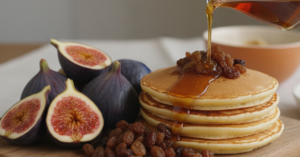
To answer allulose comes from what plant?, the production routes of trace amounts of allulose and commercial ingredients detected in food cannot be placed on the same level. Allulose can be found in small amounts in sources such as wheat, raisins, and dried figs, but this does not mean that commercially available allulose is extracted directly from these plants or fruits.
Direct source of commercial ingredients
The mainstream approach to commercial allulose is to use fructose solution as the direct reaction substrate, rather than extracting or leaching the fruit to obtain allulose. Fructose substrates may come from glucose or fructose formed by saccharification and isomerization of starch, or from glucose and fructose after hydrolysis of sucrose in sugarcane or sugar beets. Therefore, what can be determined is its direct substrate and upstream route, and not all products can be summarized by a single fixed plant name.
“Isolate ”not extracted from fruit”
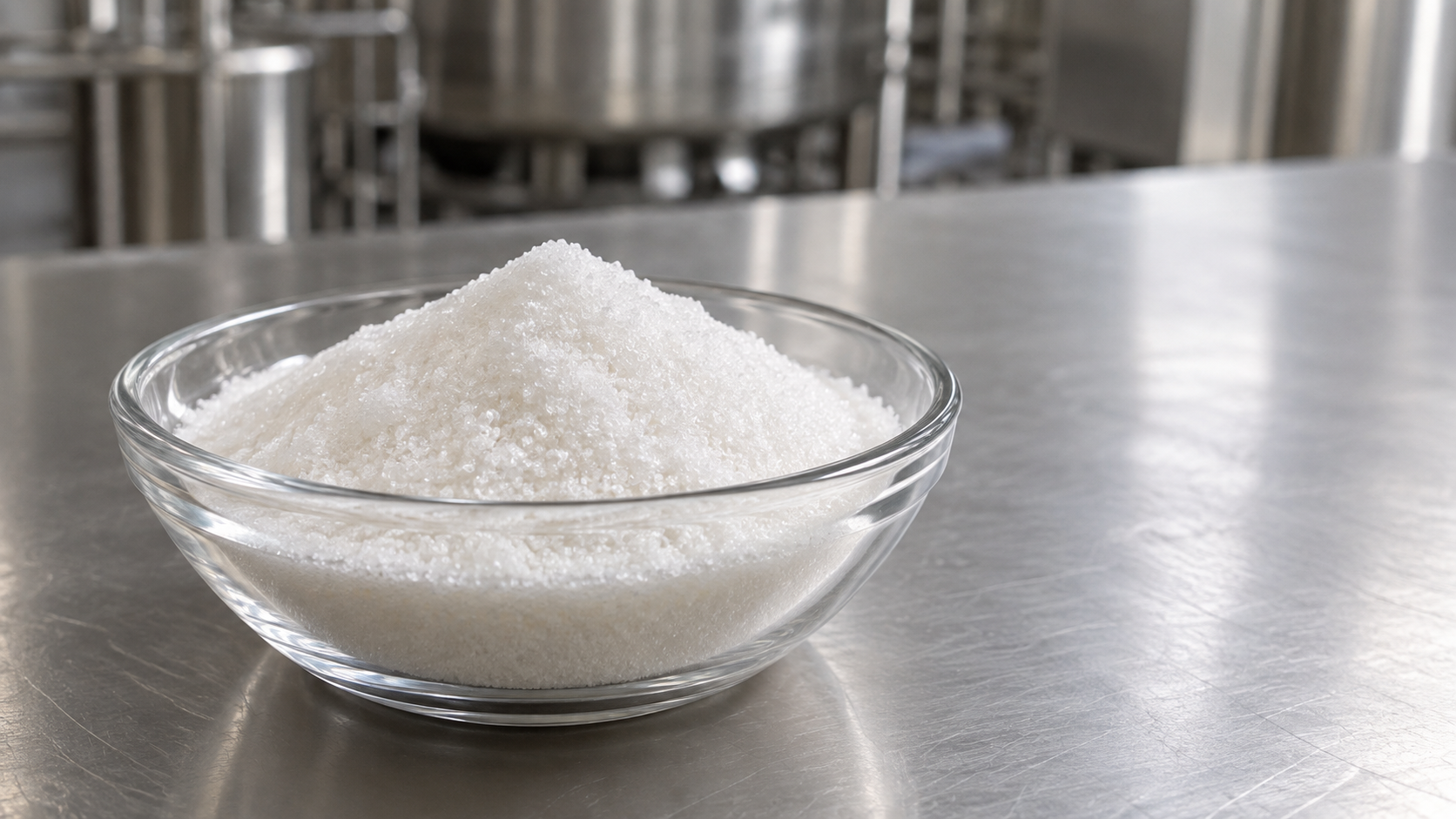
Industrial processes convert fructose into allulose through enzymatic processes. The reacted sugar solution also contains unreacted fructose and other small amounts of components, which must then be separated and purified to obtain the specified composition of allulose syrup; the crystallized product must continue to crystallize, separate solid and liquid, wash and dry. The “separation” mentioned here is the separation of allulose from the enzymatic reaction sugar solution, not the extraction of the same component from fruit.
Confirm the upstream source of the specific product
To determine which upstream plant source a specific product uses, the direct sugar source, upstream starch or sucrose source, and the supplier’s raw material traceability information should be verified. Different raw material sources will not change the chemical identity of qualified D-allulose, but may affect supply chain claims such as corn origin, organic, non-GMO, allergens, etc.; “natural ”“non-synthetic” or “corn-free” cannot be launched based solely on product name, plant origin or enzymatic production method. When judging a specific product, we should ultimately return to the raw material traceability chain, not the product name.
التوصيات ذات الصلة
-

هل مياه الفيتامينات الخالية من السكر مفيدة لك
1135هل مياه الفيتامينات الخالية من السكر مفيدة لك؟ اكتشف تأثيره على فقدان الوزن والمحليات والحقائق الصحية العامة.
عرض التفاصيل -
المدخول اليومي من الألياف القابلة للذوبان
1042تناول كمية يومية من الألياف القابلة للذوبان تتراوح بين 5-10 جرام. خفّض الكوليسترول وحسّن صحتك مع قائمة أفضل الأطعمة التي نقدمها.
عرض التفاصيل -
هل شراب الملتيتول خالٍ من الغلوتين؟ كل ما يجب أن تعرفه
1425اكتشف ما إذا كان شراب المالتيتول خاليًا من الغلوتين، واستخداماته كمُحلي، وما إذا كان آمنًا للأشخاص الذين يعانون من حساسية الغلوتين.
عرض التفاصيل -
هل الآليلوز طبيعي
843هل أنت مرتبك بشأن الألولوز؟ اكتشف كيف أن هذا السكر النادر يحاكي الحلاوة الطبيعية دون أن يرفع نسبة السكر في الدم أو الأنسولين.
عرض التفاصيل