 SGNUTRI


Rechercher un produit
Allulose comes from what plant? Source Guide
To answer allulose comes from what plant?, the production routes of trace amounts of allulose and commercial ingredients detected in food cannot be placed on the same level. Allulose can be found in small amounts in sources such as wheat, raisins, and dried figs, but this does not mean that commercially available allulose is extracted directly from these plants or fruits.
Direct source of commercial ingredients
The mainstream approach to commercial allulose is to use fructose solution as the direct reaction substrate, rather than extracting or leaching the fruit to obtain allulose. Fructose substrates may come from glucose or fructose formed by saccharification and isomerization of starch, or from glucose and fructose after hydrolysis of sucrose in sugarcane or sugar beets. Therefore, what can be determined is its direct substrate and upstream route, and not all products can be summarized by a single fixed plant name.
“Isolate ”not extracted from fruit”
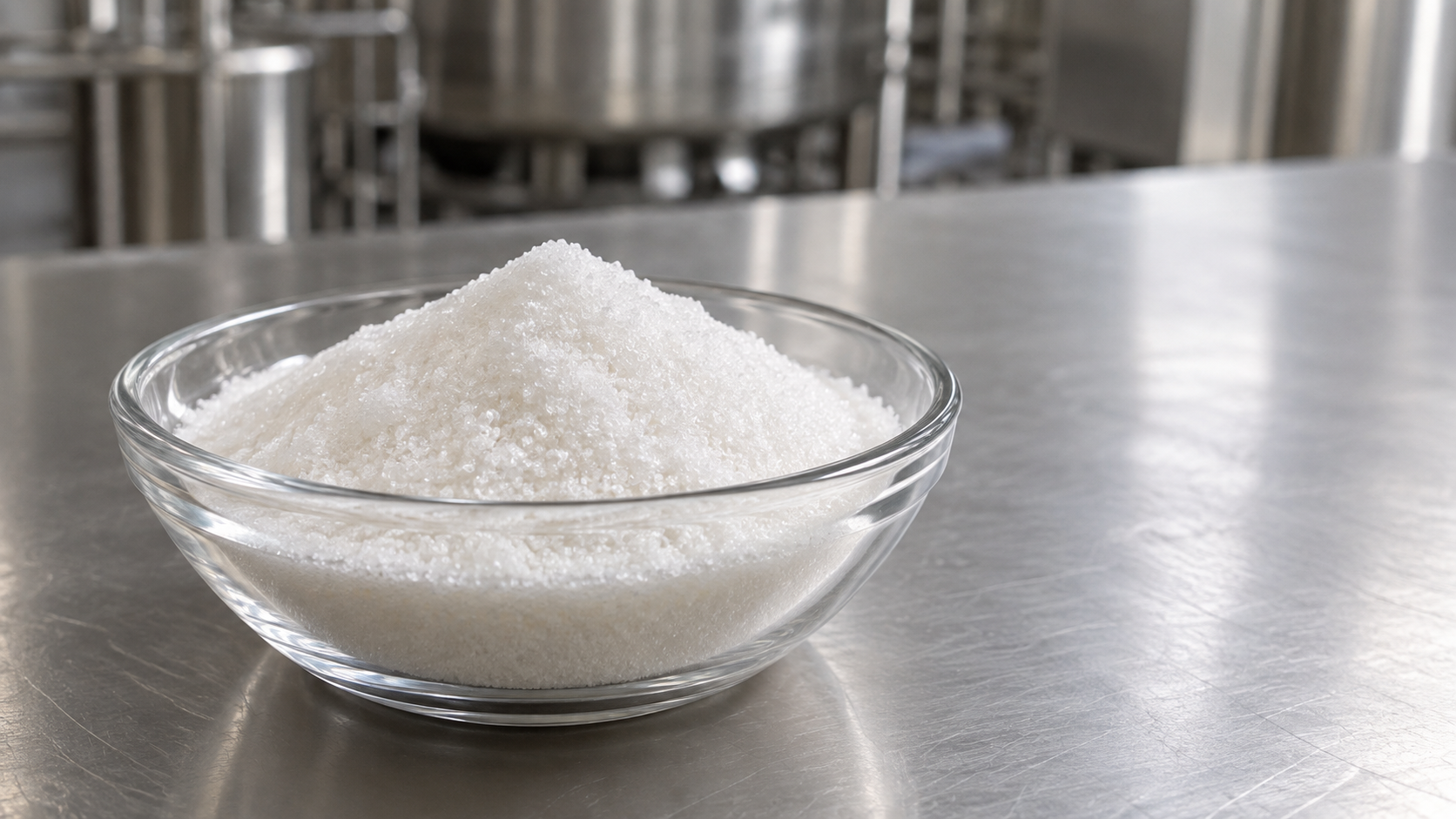
Industrial processes convert fructose into allulose through enzymatic processes. The reacted sugar solution also contains unreacted fructose and other small amounts of components, which must then be separated and purified to obtain the specified composition of allulose syrup; the crystallized product must continue to crystallize, separate solid and liquid, wash and dry. The “separation” mentioned here is the separation of allulose from the enzymatic reaction sugar solution, not the extraction of the same component from fruit.
Confirm the upstream source of the specific product
To determine which upstream plant source a specific product uses, the direct sugar source, upstream starch or sucrose source, and the supplier’s raw material traceability information should be verified. Different raw material sources will not change the chemical identity of qualified D-allulose, but may affect supply chain claims such as corn origin, organic, non-GMO, allergens, etc.; “natural ”“non-synthetic” or “corn-free” cannot be launched based solely on product name, plant origin or enzymatic production method. When judging a specific product, we should ultimately return to the raw material traceability chain, not the product name.
Recommandations connexes
-

Comment prendre des prébiotiques avec des probiotiques ?
1202Apprenez comment prendre des prébiotiques avec des probiotiques. Prenez-les ensemble 15 à 30 minutes avant le petit-déjeuner pour obtenir des résultats optimaux en matière de santé intestinale.
Voir les détails -
La vitamine K et le potassium sont-ils identiques ?
1456Non, ce n'est pas le cas. Le potassium (K) est un minéral qui assure l'équilibre des fluides, tandis que la vitamine K sert à la coagulation du sang. Lire le guide.
Voir les détails -
Les fibres solubles augmentent-elles la satiété ?
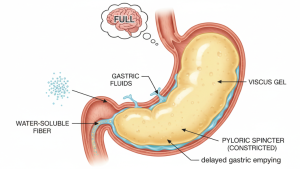
1153Oui ! Les fibres solubles forment un gel visqueux qui ralentit la vidange gastrique et stimule les hormones de satiété comme le Glp-1 pour stopper la faim.
Voir les détails -
Allulose comes from: Natural Sources and Production
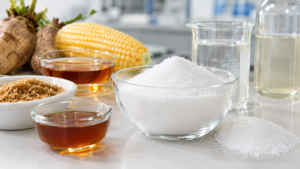
262Learn where allulose comes from, how fructose becomes allulose, and why natural traces differ from commercial products.
Voir les détails