 SGNUTRI


Search Product
How Much Maltodextrin Per Day
For weightlifters or strength trainers, the optimal intake of maltodextrin (Maltodextrin) usually falls in the range of 0.8 to 1.2 grams per kilogram of body weight (about 0.36 to 0.54 grams per pound of body weight), and the key is to eat it immediately after training. To give a specific example, a 75-kilogram (165-pound) athlete needs to consume about 60 to 90 grams of maltodextrin after training.
In order to achieve the best results, it should be mixed with protein at a ratio of 2:1 (carbohydrate: protein).
For endurance sports lasting more than 90 minutes (such as marathons or long-distance cycling), the recommended intake becomes 30 to 60 grams per hour during exercise.
It must be reminded here that if your stomach is more sensitive, a single dose should not exceed 1.0 g/kg. Once this red line is crossed, according to clinical observation, it is very easy to cause gastrointestinal discomfort, abdominal distension, and body fat accumulation due to calorie surplus caused by uncontrolled insulin.
Intake Of Weightlifters
During high-intensity exercise, your body quickly runs out of glycogen reserves-the main source of energy for muscles. Maltodextrin is a high glycemic index (High-GI) carbohydrate and is digested extremely quickly, making it an ideal tool to quickly raise insulin levels and “carry” nutrients back to muscle cells.
For the average iron lifting enthusiast or athlete, the specific range I recommend is still 0.8 to 1.2 g/kg body weight:
- Low range (0.8 g/kg): Most suitable for moderate-intensity training, or those who are strictly controlling their total daily calorie intake (such as during the fat loss period).
- High range (1.2 g/kg): Recommended for high-volume muscle hypertrophy training, heavy weight compound exercise days, or athletes who have completely exhausted their energy reserves.
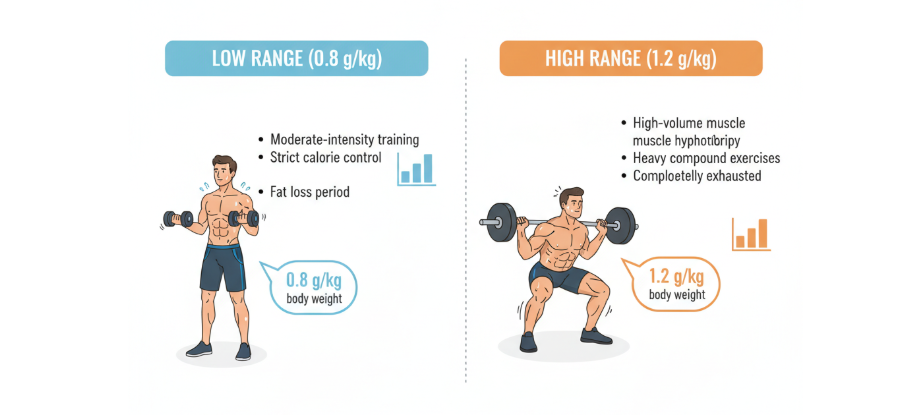
Going back to the example of the 75-kilogram athlete, this account means that his daily “after-practice shake cup” should contain 60 to 90 grams of maltodextrin. This specific dose ensures that you backfill the shortage of glycogen without overloading the system with excess heat.
Combining Maltodextrin With Protein
Just knowing how much to eat is not enough, how to eat often determines the final effectiveness. I have always stressed the need to mix maltodextrin and protein in a 2:1 ratio. Maltodextrin is responsible for stimulating insulin secretion, and in sports nutrition, insulin plays the role of “transport hormone. By ingesting protein at the same time as ingesting calculated maltodextrin, you are actually using this insulin spike to “pump” amino acids directly into damaged muscle tissue, thereby accelerating repair and growth.
For our 75kg athlete who ingested 60 grams of maltodextrin, the ideal formula should be:
- 60g maltodextrin (carbohydrate)
- 30g whey protein isolate (protein)
This combination creates an optimal anabolic environment immediately after training (Anabolic environment) and effectively prevents muscle breakdown (Catabolism).
To the forefront of nutrition
Always provide high standards of food additives and nutrition.Delivering innovative solutions that enhance the flavor, texture, and nutritional profile of food,supporting healthier, sustainable products for the food industry.
Intake For Endurance Events (Cycling And Marathons)
If your training involves long endurance output, rather than short bursts of explosive lifting, then the body cannot rely solely on stored glycogen. In this scenario, maltodextrin plays the role of “training (Intra-workout)” fuel.
The recommended intake is 30 to 60 grams per hour during the activity. Why this amount? Because there is an upper limit on the amount of carbohydrates that the human body can oxidize per hour (usually around 60 grams for glucose-based sources such as maltodextrin). Controlling the intake within this range can provide a stable energy flow to delay fatigue without overwhelming the stomach.
Practical application: An athlete who rides for 3 hours should mix about 30-60 grams of maltodextrin in the kettle every hour of riding after the first 90 minutes.
Upper Limits And Side Effects
When determining how much maltodextrin is safe to consume per day, your body’s tolerance threshold must be respected. If you have sensitive intestines and stomach, remember not to exceed 1.0 g/kg in a single dose. Exceeding this threshold usually leads to negative consequences:
- Gastrointestinal Discomfort: High doses of simple carbohydrates can draw too much water into the intestines, causing severe bloating, cramps and even nausea.
- Insulin out of control: While post-practice insulin spikes are beneficial, frequent spikes from long-term or excessive intake can cause drowsiness and subsequent sudden drops in blood sugar.
- Excessive increase in body fat: maltodextrin has a high caloric density. If the dose exceeds the body’s need to backfill glycogen, the excess glucose is converted and stored as fat.
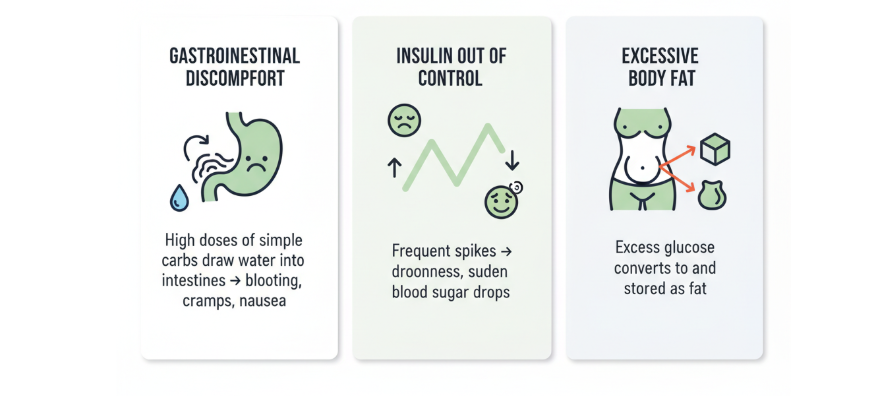
In order to avoid these issues, I suggest starting with the low end of the recommended dose (0.8 g/kg), observing the body’s tolerance, and then increasing the dosage as appropriate.
Author:Cole
As a certified sports nutritionist and performance coach. With over a decade of experience helping endurance athletes and bodybuilders optimize their recovery, I specialize in precise carbohydrate periodization. My goal is to help you master your post-workout nutrition to maximize muscle growth and glycogen replenishment without compromising digestive health.