 SGNUTRI


Search Product

If you have any questions or need service during the purchase process, please contact us directly by clicking here.
— SAIGAO —
Product details
About The Vitamin B3 Nicotinamide
Overview
Nicotinamide is a derivative of vitamin B3. It plays an important role in human health, medicine, cosmetics and other fields. The following is a detailed introduction for you:
I. Basic information
Chemical structure and properties:
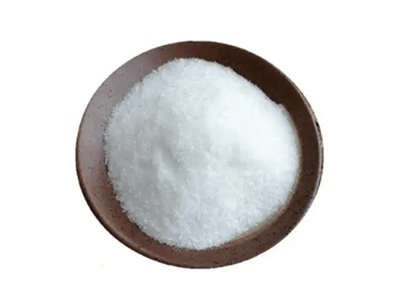
The chemical name of nicotinamide is pyridine-3-formamide, the molecular formula is, and the molecular weight is about 122.12. It is a white crystalline powder, odorless or almost odorless in appearance, and bitter in taste.
Its solubility characteristics are that it is easy to dissolve in water or ethanol, and it also has a certain solubility in glycerol. In normal conditions such as normal temperature and pressure, the physical and chemical properties are relatively stable, but when encountering extreme chemical conditions such as strong acid and strong alkali, corresponding chemical reactions will occur and structural changes will occur.
II. Physiological function
Participate in energy metabolism:
One of the important roles of nicotinamide in the body is to participate in the synthesis of coenzymes. It can be converted into nicotinamide adenine dinucleotide (NAD) and nicotinamide adenine dinucleotide phosphate (NADP). These two coenzymes play a key role in the process of cellular respiration.
For example, in the intracellular glycolysis, tricarboxylic acid cycle, and oxidative phosphorylation, which involve the oxidation and decomposition of nutrients such as carbohydrates, fats, and proteins, NAD and NADP ensure the smooth progress of the metabolic process by transferring electrons, thereby helping the human body to effectively obtain energy from food. If niacinamide is lacking, these metabolic links will be hindered, leading to problems such as insufficient energy production.
Maintaining skin health:
Niacinamide has attracted much attention for its role in maintaining skin health. It can participate in a variety of metabolic processes in skin cells, such as promoting the synthesis of ceramide in the stratum corneum of the skin. Ceramide is an important component for maintaining the barrier function of the skin, which helps to enhance the barrier function of the skin, so that the skin can better lock in moisture, resist the invasion of harmful substances from the outside world, reduce the loss of moisture in the skin, and keep the skin moisturized and smooth.
At the same time, niacinamide also has a certain effect of inhibiting the production of melanin. Its principle is to reduce skin pigmentation by interfering with the transport process of melanosomes from melanocytes to keratinocytes. It has certain effects on improving dull skin color and fading spots, so it can be seen in many whitening skin care products.
Protect nerve cells:
It participates in the metabolic activities of nerve cells and plays a positive role in maintaining the normal and stable function of nerve conduction. It can provide the necessary material basis for the metabolism of nerve cells, ensure that nerve impulses can be normally transmitted on nerve fibers, and help prevent and alleviate some nervous system-related diseases such as neuritis caused by abnormal nerve cell metabolism.
3. Food sources
Animal foods are rich in niacinamide:
Meat is one of the high-quality sources of niacinamide. For example, every 100 grams of chicken contains about 6 mg of niacinamide; every 100 grams of beef contains about 8 mg of niacinamide; the content in fish is also considerable, such as every 100 grams of tuna contains about 7 mg of niacinamide.
In addition, milk and its products also contain a certain amount of niacinamide, about 0.08 mg per 100 grams of milk, and eggs are also a common source, with about 0.2 mg of niacinamide per 100 grams of eggs.
It is also distributed in plant foods:
There is a certain amount of niacinamide in whole grain foods, such as about 0.6 mg per 100 grams of oatmeal; beans, such as soybeans, contain about 0.2 mg of niacinamide per 100 grams; although the content of green leafy vegetables is relatively low per serving, the daily consumption is large, and it is also one of the sources that cannot be ignored. For example, spinach contains about 0.05 mg of niacinamide per 100 grams.
IV. Human needs and excessive risks
Appropriate intake:
Different groups have different needs for niacinamide. For adults, according to the Chinese Residents’ Dietary Nutrient Reference Intake Standard, the recommended daily intake for men is about 15 mg, and for women is about 12 mg. This intake level can basically meet the normal physiological metabolic needs of the human body and maintain the health of the skin and other aspects.
For special populations, the recommended daily intake for pregnant women is relatively increased to about 18 mg due to the dual nutritional needs of themselves and the fetus; the recommended daily intake for lactating women is about 17 mg; for children and adolescents, the intake ranges from 4 mg to 12 mg according to their age, and the younger the age, the less the required intake.
Overdose hazards:
Normal intake of nicotinamide according to the recommended dose is usually safe, but excessive use may also cause some adverse reactions. For example, it may cause gastrointestinal discomfort, nausea, vomiting, diarrhea and other symptoms; it may also cause skin flushing and itching, which is related to its dilation effect on skin blood vessels; in severe cases, it may even cause damage to organs such as the liver, causing abnormal liver function indicators and other problems. Therefore, when supplementing nicotinamide, whether it is in the form of medicines or health products, it is necessary to strictly follow the doctor’s advice or use it reasonably according to the requirements of the product instructions.
5. Application fields
Medical field:
It is mainly used to treat and prevent diseases caused by vitamin B3 deficiency, especially pellagra. Supplementing niacinamide by oral or injection can help patients improve symptoms of skin inflammation, digestive system and nervous system caused by deficiency and restore health.
In addition, due to its role in maintaining nerve cell function, it is also used in the auxiliary treatment of some nervous system diseases, providing metabolic support for nerve cells and assisting in improving the condition.
Cosmetic field:
Niacinamide has become the “star ingredient” in the cosmetics industry due to its effects in skin health maintenance and whitening. Niacinamide is added to many whitening and moisturizing skin care products on the market, such as whitening essence, moisturizing cream, etc., and different products will be marked with different niacinamide content according to the target efficacy and applicable population. Generally speaking, products with a content of 2% – 5% are more common. Using such products can improve the color and texture of the skin to a certain extent, and enhance the overall beauty of the skin.
Food and health care products:
In the food industry, niacinamide can be added to various foods as a nutritional enhancer, such as fortified cereal foods, infant formula foods, etc., to make up for the insufficient niacinamide content that may exist in these foods, and meet the nutritional needs of different groups of people, especially special groups, for niacinamide.
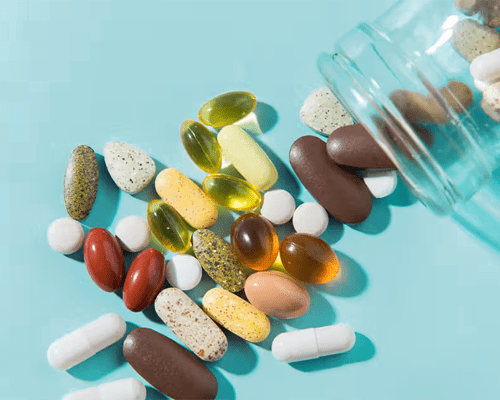
In the health care product market, given that many people have concerns about insufficient niacinamide intake due to unbalanced daily diets, there are many health care products for the purpose of supplementing niacinamide. People can choose them reasonably according to their own needs and under professional guidance, and make additional nutritional supplements to maintain good physical and skin health.
In short, niacinamide has important value in protecting human health, improving skin appearance, and meeting the functional needs of products in multiple fields. Knowing and understanding it will help us make better dietary choices, health management, and reasonable use of related products.
— SAIGAO —
APPLICATION FIELD
★ ★ ★ ★ ★
“Saigao Nutri’s products have been a fantastic addition to our food line. The quality is top-notch, and the customer support is outstanding. We’ve seen noticeable improvements in taste, texture, and shelf-life, making our products even more appealing to consumers.”

David Johnson
New York, USA
★ ★ ★ ★ ★
“We’ve used Saigao Nutri’s additives in our beverage production, and the results have been excellent. The flavor, texture, and nutritional profile of our drinks have significantly improved, and the quality remains consistently high, making our products more appealing to consumers.”

Thomas Müller
Berlin, Germany
★ ★ ★ ★ ★
“We’ve been working with Saigao Nutri for several months, and their prebiotics and soluble fibers have improved the health benefits of our products. We’ve noticed better taste, texture, and overall quality. Their service is reliable and on time.”

Maria Gonzalez
Madrid, Spain
★ ★ ★ ★ ★
“Our nutritious ingredients have significantly improved the quality of our products. Their high quality additives improve the taste, texture and nutritional value of the products. The customer service I consulted was excellent and provided timely and effective support.”

Amin Hossain
ABU Dhabi, UAE
Many hot products
are on special sale
— SAIGAO —
OUR ADVANTAGES

HIGH-QUALITY
INGREDIENTS

ADVANCED
TECHNOLOGY

HEALTH
BENEFITS

SUSTAINABLE
SOURCING
SAIGAO —
FACTORY OVERVIEW
Our factory produces high-quality food additives using advanced technology and sustainable practices, ensuring the best ingredients for your products.
We take pride in our factory’s ability to deliver premium food additives, including sugar substitutes, fibers, and sugar alcohols. By integrating cutting-edge technology with eco-friendly production methods, we ensure both the quality and sustainability of our products. Our team works closely with clients to create tailored solutions, offering expertise and reliability in every batch. With stringent quality control measures in place, we guarantee that our additives meet the highest safety standards, supporting the creation of healthier and more innovative food products.



— SAIGAO —
FAQS

Please contact us through our website, and our sales team will discuss possible cooperation opportunities with you.
Yes, we have the capacity to meet large-scale production needs and provide a range of food additives.
Yes, all our products strictly comply with international food safety and quality standards.
Yes, we are happy to provide product samples for testing and evaluation.
Our food additives are suitable for various food productions, including pastries, beverages, candies, and meat products.
Yes, our R&D team can work with you to provide custom food additive solutions for your specific needs.
Our food additives are well-regarded for their superior performance, consistent quality, and sustainable production methods.
Our prices vary depending on the type of product and the quantity purchased. Please contact our sales team for a detailed quote.
You can view detailed specifications and data sheets for all our products on our website.
Some products meet organic standards. Please inquire for certifications specific to your requirements.
Yes, our team offers expert guidance to ensure optimal usage and formulation success.
— SAIGAO —
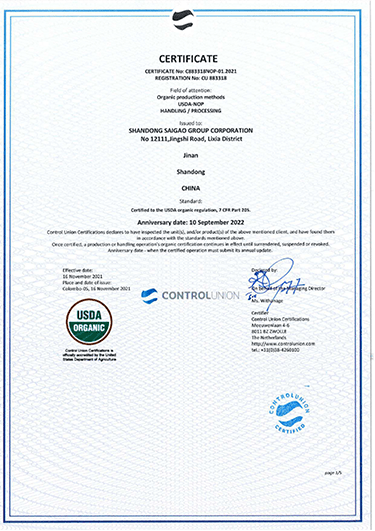
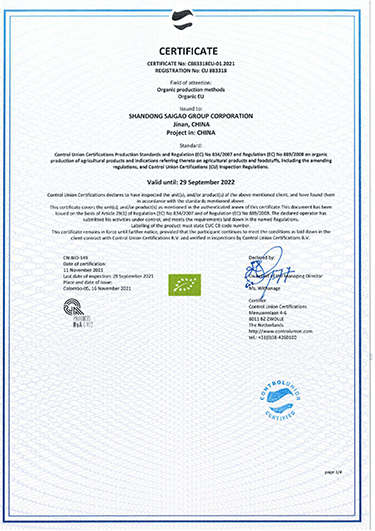
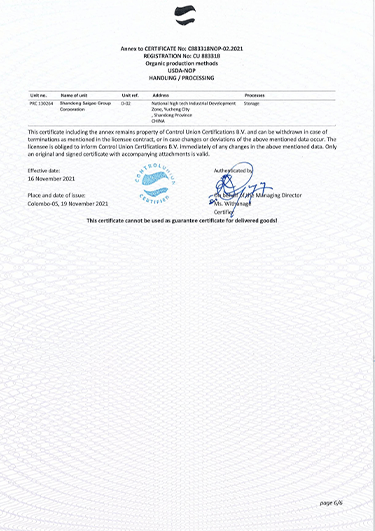
CERTIFICATES

➤
Saigao Nutri holds global quality certifications, ensuring our food additives meet international safety and performance standards.

— SAIGAO —
RELATED PRODUCTS
As a water-soluble vitamin, it is easily soluble in water, which makes it convenient for the human body to be quickly absorbed in the gastrointestinal tract after ingestion and enter the blood circulation to play a role.
Polydextrose, also known as glucose polymer, is a polysaccharide formed by the polymerization of glucose monomers. Its structure and properties are similar to starch, but polydextrose has lower viscosity and higher water solubility.
Erythritol is a naturally occurring sugar alcohol that is commonly found in fruits and vegetables such as grapes, pears and mushrooms, and can also be produced from glucose by fermentation.
— SAIGAO —
CONTACT US
product detail
Overview
Nicotinamide is a derivative of vitamin B3. It plays an important role in human health, medicine, cosmetics and other fields. The following is a detailed introduction for you:
I. Basic information
Chemical structure and properties:
The chemical name of nicotinamide is pyridine-3-formamide, the molecular formula is, and the molecular weight is about 122.12. It is a white crystalline powder, odorless or almost odorless in appearance, and bitter in taste.
Its solubility characteristics are that it is easy to dissolve in water or ethanol, and it also has a certain solubility in glycerol. In normal conditions such as normal temperature and pressure, the physical and chemical properties are relatively stable, but when encountering extreme chemical conditions such as strong acid and strong alkali, corresponding chemical reactions will occur and structural changes will occur.
II. Physiological function
Participate in energy metabolism:
One of the important roles of nicotinamide in the body is to participate in the synthesis of coenzymes. It can be converted into nicotinamide adenine dinucleotide (NAD) and nicotinamide adenine dinucleotide phosphate (NADP). These two coenzymes play a key role in the process of cellular respiration.
For example, in the intracellular glycolysis, tricarboxylic acid cycle, and oxidative phosphorylation, which involve the oxidation and decomposition of nutrients such as carbohydrates, fats, and proteins, NAD and NADP ensure the smooth progress of the metabolic process by transferring electrons, thereby helping the human body to effectively obtain energy from food. If niacinamide is lacking, these metabolic links will be hindered, leading to problems such as insufficient energy production.
Maintaining skin health:
Niacinamide has attracted much attention for its role in maintaining skin health. It can participate in a variety of metabolic processes in skin cells, such as promoting the synthesis of ceramide in the stratum corneum of the skin. Ceramide is an important component for maintaining the barrier function of the skin, which helps to enhance the barrier function of the skin, so that the skin can better lock in moisture, resist the invasion of harmful substances from the outside world, reduce the loss of moisture in the skin, and keep the skin moisturized and smooth.
At the same time, niacinamide also has a certain effect of inhibiting the production of melanin. Its principle is to reduce skin pigmentation by interfering with the transport process of melanosomes from melanocytes to keratinocytes. It has certain effects on improving dull skin color and fading spots, so it can be seen in many whitening skin care products.
Protect nerve cells:
It participates in the metabolic activities of nerve cells and plays a positive role in maintaining the normal and stable function of nerve conduction. It can provide the necessary material basis for the metabolism of nerve cells, ensure that nerve impulses can be normally transmitted on nerve fibers, and help prevent and alleviate some nervous system-related diseases such as neuritis caused by abnormal nerve cell metabolism.
Explor More
We offer nearly 100 kinds of products in 6 series
Global Standards
Strict Quality Control
After-sales Guarantee
Customer Trust
Please contact us through our website, and our sales team will discuss possible cooperation opportunities with you.
Yes, we have the capacity to meet large-scale production needs and provide a range of food additives.
Yes, all our products strictly comply with international food safety and quality standards.
Yes, we are happy to provide product samples for testing and evaluation.
Our food additives are suitable for various food productions, including pastries, beverages, candies, and meat products.
Yes, our R&D team can work with you to provide custom food additive solutions for your specific needs.
Our food additives are well-regarded for their superior performance, consistent quality, and sustainable production methods.
Our prices vary depending on the type of product and the quantity purchased. Please contact our sales team for a detailed quote.
You can view detailed specifications and data sheets for all our products on our website.
Some products meet organic standards. Please inquire for certifications specific to your requirements.
Yes, our team offers expert guidance to ensure optimal usage and formulation success.
Yes, we have a specific refund policy, if you are not satisfied with our products, feel free to consult our after-sales team.
CONTACT FORM











CONTACT US
Our representative will contact you soon