 SGNUTRI


Search Product
When Is The Best Time To Take Prebiotic And Probiotic
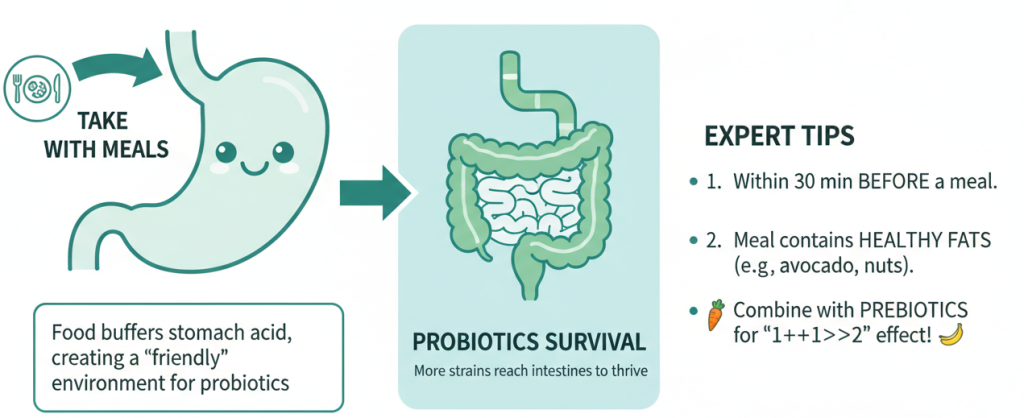
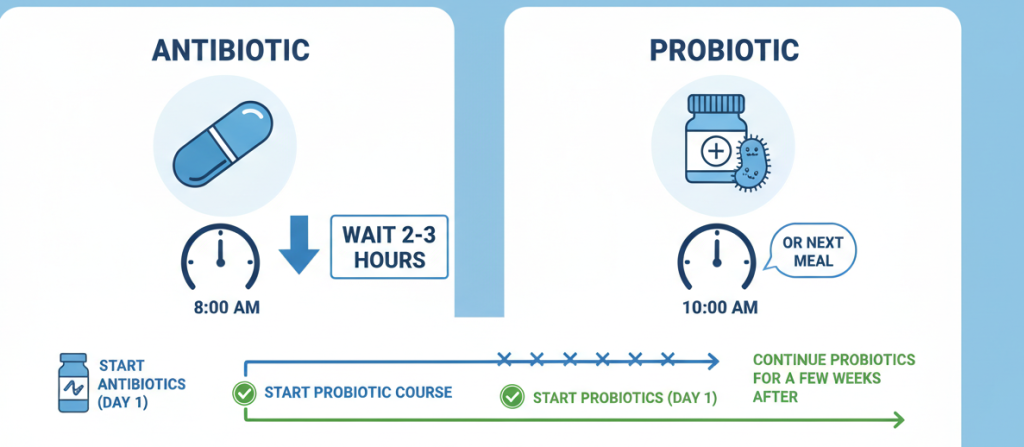
The best time to take probiotics is 15–30 minutes before a meal or during a meal (especially one containing healthy fats), as food acts as a “protective shield” to help the bacteria survive stomach acid. For prebiotics, while the timing is flexible, taking them simultaneously with probiotics creates a powerful synergistic effect. However, if you are on antibiotics, you must space them out by at least 2–3 hours to prevent the medication from killing the beneficial bacteria. Ultimately, consistency is more important than perfect timing—choose a schedule you can maintain daily.
The Reasons Why Probiotics Need A Food Shield
The primary challenge for any probiotic supplement is how to pass through the harsh, highly acidic environment of the stomach and reach the intestines alive. Studies have shown that the timing of eating and the degree of coordination of taking supplements can significantly affect the survival rate of these beneficial bacteria.
Take Before Or With A Meal
It is considered ideal to take probiotics about 15 to 30 minutes before eating or during meals. During these periods, due to the presence of food or the body’s anticipation of eating, the concentration of stomach acid will naturally be buffered away in part and not be so aggressive.
Healthy Oil Aids
If you add a bit of healthy fat (such as avocado, olive oil or nuts) to that meal, this “shielding” effect will take it to the next level. Oils help reduce the overall acidity of the digestive environment and slow the emptying of the stomach, allowing them to pass more smoothly.
Flexibility And Synergy Of Prebiotics
Prebiotics, unlike probiotics, are not living organisms, but special plant fibers specifically designed to power gut bacteria. Because they are inanimate, they are not as susceptible to stomach acid as probiotics.
Taking The Power At The Same Time
While you can eat prebiotics at any time of the day, I recommend taking it in a bundle with probiotics. In the nutritional community, this combination is often referred to as “synbiotic”. Directly live bacteria (probiotics) and their “rations” (prebiotics) into the body, can ensure that these beneficial microorganisms in the colonization of the intestinal tract, immediately have an adequate source of energy.
Special Notes
If you are taking prescription antibiotics, the timing of supplements becomes crucial. Antibiotics are designed to remove bacteria, and it is not clear who is the pathogen that causes the infection and who is the “friendly army” in the supplement “. To prevent drugs from counteracting the benefits of probiotics, follow these principles:
2-3 hour rule: Always remember to wait at least 2 to 3 hours after taking antibiotics before taking your prebiotic and probiotic supplements.
Recovery after antibiotics: Even if the medicine is finished, continue to maintain this supplementary habit, which is very useful for rebuilding the natural balance of the microecosystem.
Habits Are Above Perfection
While there are some marginal benefits to taking cards accurate to the minute, gut health is rooted in long-term support.
Establish A Routine
The intestinal flora needs a steady intake to maintain balance. Whether you are used to taking it with breakfast or lunch, the best time is the moment you are least likely to forget every day.
Daily Plan Core Points:
Probiotics: 15-30 minutes before meals or with meals (with fatty foods).
Prebiotics: with probiotics, to achieve maximum synergy.
Antibiotics: Keep the time interval of 2-3 hours to ensure the effect.
Frequency: once a day, in order to maintain intestinal colonization.
By following these simple instructions, you can maximize the bioavailability of the supplement and avoid detours in your intestines.
Author: Bob
“I am a health and wellness researcher dedicated to demystifying gut health science. With a focus on evidence-based supplementation, I help readers optimize their daily routines by breaking down complex biological processes—like the synergy between prebiotics and probiotics—into actionable advice.”