 SGNUTRI


Search Product
Is Polydextrose Safe
The simple answer is: yes, it is very safe. Currently, the US FDA and the European Food Safety Authority (EFSA) both classify it as a substance as “generally recognized as safe” (GRAS). It is actually the kind of synthetic water-soluble dietary fiber, and it is also the kind of extremely low-calorie food additive. Polydextrose has performed quite well in reducing the caloric density of food and managing insulin response because of its extremely low glycemic index (GI).
Polydextrose is a very practical tool for those who are sensitive to ingredients, or who are on a ketogenic diet or a diabetic diet. Although it is non-carcinogenic and there is no problem with long-term consumption, I always remind everyone that safety is one thing, and gastrointestinal comfort is another. The side effects of this ingredient depend entirely on the dose. Scientific research shows that although it can simulate the benefits of natural dietary fiber, if the cumulative intake exceeds specific grams a day, it is likely to cause gastrointestinal discomfort, such as abdominal distension, exhaust, and even mild diarrhea. It is a scientifically proven ingredient that can aid weight management and metabolic health, provided you understand the bottom line of your gut tolerance.

State Of Regulation
The safety of polydextrose is not groundless, but is endorsed by the rigorous assessment of the world’s top food safety agencies. Both the US FDA and the European EFSA have granted it GRAS certification.
This classification means that, after extensive toxicological reviews, polydextrose has been shown to be non-carcinogenic and harmless for long-term ingestion. Polydextrose has been used in more than 50 countries around the world for a long time, compared with some new additives that are still under debate. This long-term clinical application record can better illustrate its reliability than any short-term experiment.
Metabolic Benefits
The reason why polydextrose is considered a “safe” and beneficial alternative to sugar is mainly because of its very positive impact on metabolic health.
- Very low insulin response: It has a very low glycemic index (GI). That means it doesn’t cause blood sugar to spike as quickly as traditional sweeteners or carbohydrates do.
- Diabetes is ketogenic-friendly: because the body cannot fully digest polydextrose, it provides only about calorie per gram.
Understanding Gut Tolerance
Soluble Fiber
Wholesale soluble dietary fiber, suitable for dietary supplements, food products, etc.
Prebiotic
Offer prebiotic dietary fiber supplements and sugar substitute products.
Starch Sugar
Made from maltodextrin and glucose, suitable for use in food and beverages.
Soy Fiber
High-quality Soy Fiber provides raw materials for industries such as nutritional supplements.
Protein
Seeking ultra-low parasitics and signal integrity for 100 GHz+applications.
Vitamins
A high-quality vitamin manufacturer serving the food and nutritional supplement industry.
Although polydextrose is non-toxic and safe, its performance in the body depends on how much you eat. As the synthetic water-soluble fiber, its physical properties are very similar to natural fibers in vegetables and fruits.
According to several scientific studies, the tolerance threshold for most healthy adults is about 50 grams per day. Once you exceed this amount, you may experience some temporary digestive reactions:
- Bloating and Exhaust: This is because intestinal bacteria produce gas as they ferment these fibers.
- Slight laxative effect: When ingested in large doses, it will draw water into the colon. This is common in many high fiber alternatives.
Long-Term Consumption And Weight Management

As the efficient filler, it allows food manufacturers to significantly reduce the caloric density of food without sacrificing volume.
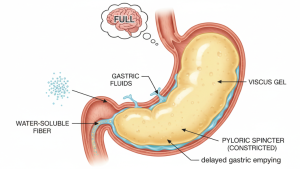
For us consumers, this means better weight management and, indirectly, lower health risks associated with obesity. Because it mimics the physiological benefits of dietary fiber-such as increasing satiety-it is, a scientifically valid adjunct to maintaining a long-term healthy lifestyle, rather than one of those short-lived marketing gimmicks.
A Scientifically Validated Ingredient
Polydextrose is the safe, versatile and highly regulated food additive. It has the dual advantage of providing functionality like a sugar substitute and the metabolic safety of low-calorie fiber.
As long as you pay attention to the upper limit of grams per day and pay attention to your intestinal reaction, polydextrose is definitely a reliable choice to optimize your diet and support metabolic health.
Author: Alex Thorne
“I am a clinical nutrition specialist dedicated to helping patients navigate the complexities of metabolic health. With years of experience as a clinical guide, I specialize in formulating dietary strategies for ketogenic and diabetic lifestyles. My work focuses on evidence-based evaluations of food additives like polydextrose, ensuring that individuals can effectively manage their insulin response and caloric intake while prioritizing long-term gastrointestinal comfort and overall well-being.”
The prev: Galactooligosaccharides BenefitsThe next: Can I Substitute Erythritol For Sugar
Related recommendations
-

How Fast Does Vitamin B12 Work
632Learn How Fast B12 Works: 48-72h For Shots Or 2-4 Weeks For Oral Pills. See The Timeline For Energy & Nerve Recovery.
View details -
Crystalline Maltitol Syrup: A Comprehensive Guide
1577Explore the features, benefits, and applications of crystalline maltitol syrup in this complete guide from SGNUTRI.
View details -
Is Erythritol And Stevia The Same
531Is Erythritol And Stevia The Same? No. Discover The Key Differences In Origin, Sweetness Potency, And Baking Usage Here.
View details -
Does Soluble Fiber Increase Satiety
521Yes! Soluble Fiber Forms A Viscous Gel, Slowing Gastric Emptying And Boosting Satiety Hormones Like Glp-1 To Stop Hunger.
View details