SGNUTRI


Search Product
Can Sucralose Affect Blood Sugar
Straight to the conclusion: No, pure liquid sucralose is the zero-calorie sugar substitute and has a glycemic index (GI) of zero, which means it doesn’t directly cause a spike in blood sugar. There’s a critical blind spot here, and many of my patients have fallen into this trap. Most commercially available sucralose products, such as the popular Splenda powdered sweetener, actually contain a large amount of fillers, including maltodextrin and dextrose. These hidden carbs are digested very quickly and will inevitably cause unexpected spikes in blood sugar and insulin levels. Even long-term consumption of pure sucralose alone may disrupt your gut microbiota, ultimately exacerbating insulin resistance and impairing overall glucose tolerance.

Pure Liquid Sucralose
The scientific consensus on pure liquid sucralose is very clear. It is essentially not metabolized as it passes through the gastrointestinal tract. Since the body doesn’t recognize it as a carbohydrate and can’t use it for energy, it truly contains zero calories.
For people who need to strictly manage their blood sugar, an even more important factor is that its glycemic index (GI) is zero. When consumed on its own, it does not cause an immediate, direct increase in blood glucose levels. Often, I just want to add a touch of sweetness to my drinks without causing a rapid spike in blood sugar. In the short term, a pure liquid droplet formulation is indeed a “straightforward” and inert ingredient.
The problem is that pure sucralose is hundreds of times sweeter than ordinary sugar. Due to its extremely high concentration, it is virtually impossible for manufacturers to sell pure, solid sucralose directly to ordinary consumers. This directly leads to the biggest pitfall on the path to blood sugar control: food additives.
How Do Food Additives Trigger Spikes In Insulin And Blood Glucose?
I often encounter patients who bring in their lab reports, utterly shocked to find that despite consuming “sugar-free” sugar substitutes, their blood glucose levels continue to fluctuate. This is actually a loophole in food labeling regulations, because the regulations allow products with less than 5 calories per serving to be legally labeled as “zero calories”. Just looking at a small packet of powdered sucralose seems particularly safe.
When you add it all up, if you use several packets a day—pouring a bit into your morning coffee and adding more when baking or cooking—those small amounts of maltodextrin and dextrose can quickly accumulate. This hidden carbohydrate load is digested very quickly, triggering a very real spike in blood glucose and insulin levels. If you’re working to combat insulin resistance, these seemingly harmless fillers are actually undermining your daily dietary efforts.
To the forefront of nutrition
Soluble Fiber
Soluble fiber is a highly stable, indigestible dietary ingredient that promotes weight control by increasing satiety and reducing food intake. Versatile in application, it is widely used to enhance the nutritional profile and texture of foods, beverages, and health products.
Soluble Fiber
Prebiotic
A prebiotic functions as a proliferation factor that is selectively degraded and utilized by beneficial intestinal bacteria, such as Bifidobacteria. This process exerts a positive effect on overall human health, often accompanied by metabolic advantages such as low caloric impact and minimal blood sugar fluctuations due to their unique digestive stability.
Prebiotic
Vitamins
Vitamins are essential organic micronutrients, categorized into water-soluble and fat-soluble forms, that regulate critical physiological processes such as metabolism, immunity, and coagulation. Due to their sensitivity to light, heat, and moisture,
Vitamins
Long-Term Hidden Risk
Even if you completely avoid powdered forms, this still raises another long-term concern that the medical endocrinology community is closely monitoring.
Long-term consumption of artificial sweeteners can adversely affect the digestive system. Data suggest that sucralose may have adverse effects on the gut microbiota—disrupting the delicate balance of beneficial bacteria in your digestive tract.
Why Is The Gut Microbiota So Important For Blood Glucose Levels?

Gut bacteria play a fundamental role in your body’s metabolism and in how it extracts and processes energy from food. Once sucralose alters this microbial ecosystem (i.e., induces dysbiosis), it may trigger a cascade of metabolic disturbances:
- Impaired glucose tolerance: Once the gut microbiota is dysregulated, the body’s ability to efficiently metabolize carbohydrates is compromised when you actually consume them.
- Exacerbation of insulin resistance: Poor gut health is closely linked to systemic inflammation, which is one of the key drivers of insulin resistance. Over time, your cells may become less sensitive to insulin, making type 2 diabetes more difficult to control.
While a single serving of pure sucralose today won’t cause your blood sugar to spike, consuming it every day could quietly and gradually impair your body’s ability to regulate blood glucose in the future.
How To Truly Protect Your Blood Sugar
Its mechanisms of action depend on the type of food you’re consuming and how long you’ve been eating it.
To better manage insulin resistance or type 2 diabetes, regarding sucralose, I strongly recommend that you keep the following principles in mind:
- Discard powdered sweeteners: Avoid commercial powdered blends. These foods will directly raise your blood sugar and insulin levels.
- Choose a pure liquid drop: If you simply must satisfy your craving with sucralose, opt for a 100% pure liquid form and steer clear of products containing hidden carbs.
- Control the frequency of use: Don’t take your gut microbiome health lightly. Use it as little as possible to prevent problems before they arise. Don’t give it the chance to chronically impair your glucose tolerance and insulin sensitivity.
Author: Dr. Michael Carter
Hi, I’m a physician specializing in metabolic health and diabetes management. Throughout my clinical practice, I’ve helped countless patients combat insulin resistance and achieve stable blood sugar levels. I am deeply passionate about uncovering the hidden dietary traps in modern processed foods—like the deceptive fillers in artificial sweeteners—and translating complex endocrinology into practical, everyday advice.
The prev: Are There Any Negative Effects Of SucraloseThe next: Is Polydextrose Soluble Or Insoluble
Related recommendations
-

Is Zero Sugar Vitamin Water Good For You
338Is Zero Sugar Vitamin Water Good For You? Discover Its Impact On Weight Loss, Sweeteners, And Overall Health Facts.
View details -
Does Soluble Fiber Dissolve In Water
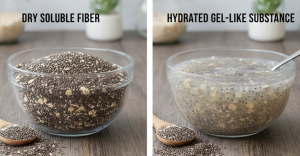
283Yes! Soluble Fiber Dissolves In Water. Discover The “Sponge Effect” For Better Digestion, Blood Sugar, And Cholesterol.
View details -
Does Soluble Fiber Increase Satiety
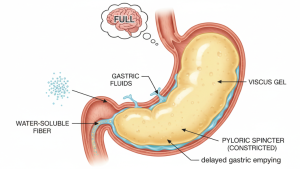
373Yes! Soluble Fiber Forms A Viscous Gel, Slowing Gastric Emptying And Boosting Satiety Hormones Like Glp-1 To Stop Hunger.
View details -
Is Resistant Dextrin Keto Friendly
169Is Resistant Dextrin Keto? Learn About Its Low GI, Zero Net Carb Impact, And Gut Health Benefits For Low-Carb Diets.
View details