 SGNUTRI


Search Product
Is Allulose Natural
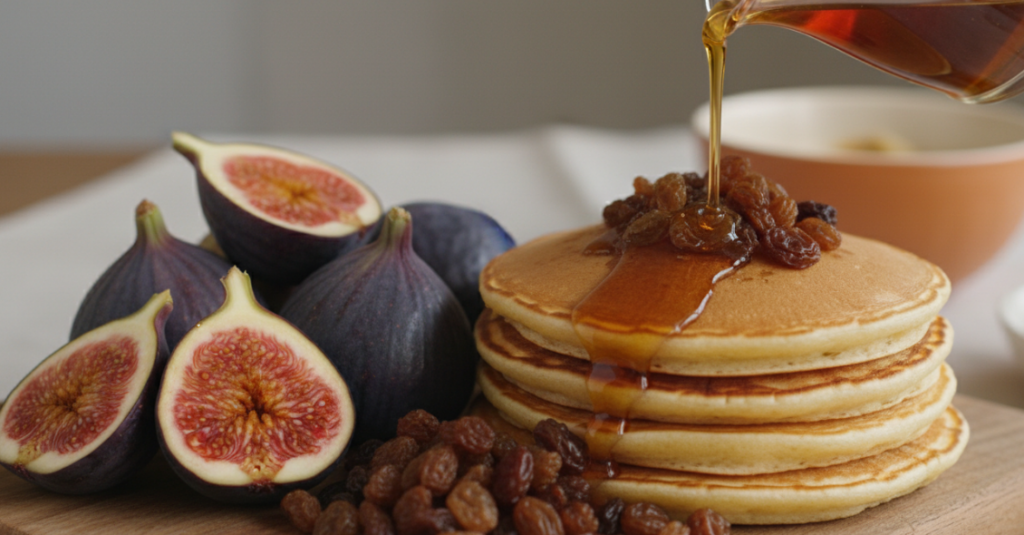
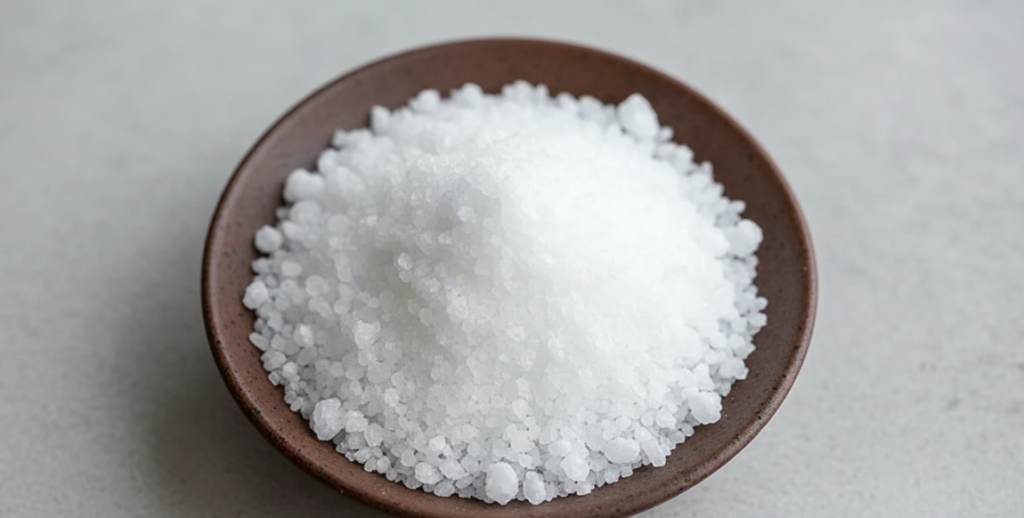
Simply put, allulose can technically be called a “rare sugar” because it occurs naturally in foods such as figs, raisins and maple syrup. But if you expect to get enough allulose by eating these things, that’s not realistic. Commercially available products are essentially made by the enzymatic conversion of corn or beet starch.
What Is The So-Called Natural
Although commercially produced allulose is in response to market demand, its molecular structure is exactly the same as the molecules you extract in natural fruits. Due to the extremely low content of aloxan in these fruits, direct extraction is simply not feasible in terms of cost. The current industry standard is to restructure corn or sugar beet starch using an enzymatic process. It is through biotechnology to re-engrave the original molecular formula of nature, thus producing high purity, and the nature of the natural sugar in the fruit of the material.
Why Can It Rewrite Our Metabolic Rules
In the field of metabolism, allulose is indeed a “tough role”. It is highly regarded in ketogenic circles because it completely skips the body’s regular metabolic pathway:
The glycemic index (GI) is zero: this is crucial. Because it does not participate in the body’s energy supply, it will not cause blood sugar fluctuations, nor will it induce insulin spikes. This is a boon for patients who maintain blood sugar stability and prevent metabolic disorders.
The heat is almost negligible: it hardly changes as it circulates through the body, meaning it produces almost no heat. For those who want precise control over their energy intake without sacrificing taste buds satisfaction, this is one of the best performing sweeteners on the market right now.
Soluble Fiber
Wholesale soluble dietary fiber, suitable for dietary supplements, food products, etc.
Prebiotic
Offer prebiotic dietary fiber supplements and sugar substitute products.
Starch Sugar
Made from maltodextrin and glucose, suitable for use in food and beverages.
Soy Fiber
High-quality Soy Fiber provides raw materials for industries such as nutritional supplements.
Protein
Seeking ultra-low parasitics and signal integrity for 100 GHz+applications.
Vitamins
A high-quality vitamin manufacturer serving the food and nutritional supplement industry.
Allulose Vs. Traditional Sweeteners Vs. Sugar Alcohols
One of the reasons many people switch to refined sugar is for fear of digestive tract temper. Traditional sugar alcohols (such as maltitol and sorbitol) are fermented by bacteria in the intestinal tract, which can easily lead to severe flatulence or diarrhea. The experience is really not good. Allulose performed very well at this point, and the gastrointestinal tolerance was extremely high. What’s more, it doesn’t have the annoying post-bitterness of stevia or Luo Han Guo extract, and it provides a taste very close to sucrose. I have seen many customers who have implemented a low-carbon diet for a low-carbon diet for a long time. After switching to allulose, the psychological pressure of sticking to the diet plan is obviously much less. In short, if you are looking for 1 a solution that can simulate the taste of sugar without interfering with blood sugar levels and intestinal health, allulose is indeed in a very safe and efficient position in the current nutrition research conclusions.
Author: Marcus Thorne
I am a clinical nutritionist specializing in metabolic health and ketogenic therapy. With over a decade of experience in clinical practice, I have helped thousands of patients navigate the complex world of sweeteners. My mission is to bridge the gap between scientific research and daily nutrition, helping you make informed, healthy choices that don’t compromise on flavor.
The prev: Are There Any Negative Effects Of SucraloseThe next: What Is Polydextrose Made Of
Related recommendations
-

Is Glucose A Pure Substance
514Yes, Glucose (C6h12o6) Is A Pure Substance. Learn Why It Qualifies As A Chemical Compound With Fixed Properties.
View details -
What Is Dextrose Anhydrous
635What Is Dextrose Anhydrous? A Pure, Low-Moisture Glucose Source For Rapid Energy, Fitness Recovery, And Medical Use.
View details -
Can Lack Of Vitamin B12 Cause Weight Gain
656Does B12 Deficiency Lead To Weight Gain? Explore How Low B12 Impacts Metabolism, Insulin Resistance, And Appetite.
View details -
Fructooligosaccharides Benefits
341Discover Fructooligosaccharides Benefits For Gut Health. Learn The Optimal Dosage, How To Manage Side Effects.
View details