SGNUTRI


Search Product
Prebiotic vs Probiotic: A Comprehensive Guide to Gut Health, Efficacy, and Modern Trends
Probiotics are living, beneficial bacteria that inhabit the gut, and Prebiotics are the high-fiber “food” that feeds these bacteria “. If you think of your gut as a garden, probiotics are the seeds you sow, while prebiotics are the fertilizer that helps them thrive.
A deep understanding of the differences between prebiotics and probiotics is essential for anyone looking to improve digestion, boost immunity, or stay on top of the prebiotic soda trend. This guide combines clinical nutrition standards with the latest industry trends to provide you with an in-depth analysis.
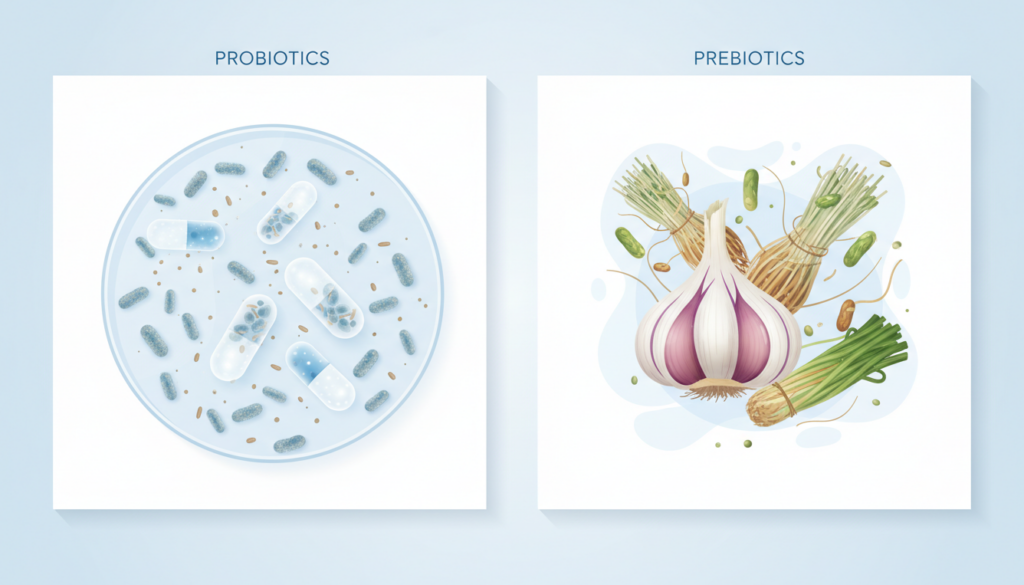
Prebiotic Vs Probiotic:
Before delving into the biological mechanisms, let’s use this table to quickly understand the functional differences between the two.
| Dimension | Probiotics | Prebiotics |
| Source | Fermented foods (yogurt, kimchi), supplements | High-fiber foods (garlic, chicory root), supplements |
| Main Function | Directly increase the number of beneficial bacteria in the gut | Feed and enhance the existing beneficial bacteria in the gut. |
| Stability | Fragile (easily deactivated by heat, stomach acid, or time). | Extremely high stability (unaffected by heat, stomach acid, or digestive enzymes) |
| Examples | Lactobacillus, Bifidobacterium | Inulin, FOS, Resistant Starch |
What Is A Prebiotic?
To understand Prebiotic meaning, we need to look at the way the body processes fibers. While most carbohydrates are broken down and absorbed in the small intestine, prebiotics are different.
Prebiotic Meaning And Its Operation Logic
What does prebiotic mean? From a scientific point of view, Prebiotics is a type of fiber that the human body cannot digest. Because the body lacks the enzymes that break down these complex carbohydrates, they pass unscathed through the stomach and upper digestive tract until they reach the colon. There, they become an energy source for the intestinal microecology.
For a 1 substance to be defined as a prebiotic, the following conditions must be met:
- Digestibility: resistant to gastric acid, resistant to hydrolysis by host enzymes.
- Fermentability: Can be fermented by intestinal microorganisms.
- Selective stimulation: can specifically promote the growth of health-related beneficial bacteria (such as bifidobacteria).
When gut bacteria ferment these fibers, they produce short-chain fatty acids (SCFAs), such as butyric acid (Butyrate). These SCFAs are a major energy source for colon cells and play a vital role in reducing inflammation and strengthening the intestinal barrier.
Prebiotic Foods List: Nature’s Natural Fertilizer
Through the intake of Prebiotic rich foods (foods rich in prebiotics) is the most sustainable way to support the microbiota. While many fruits and vegetables contain fiber, the following categories are recognized Prebiotic fiber foods.
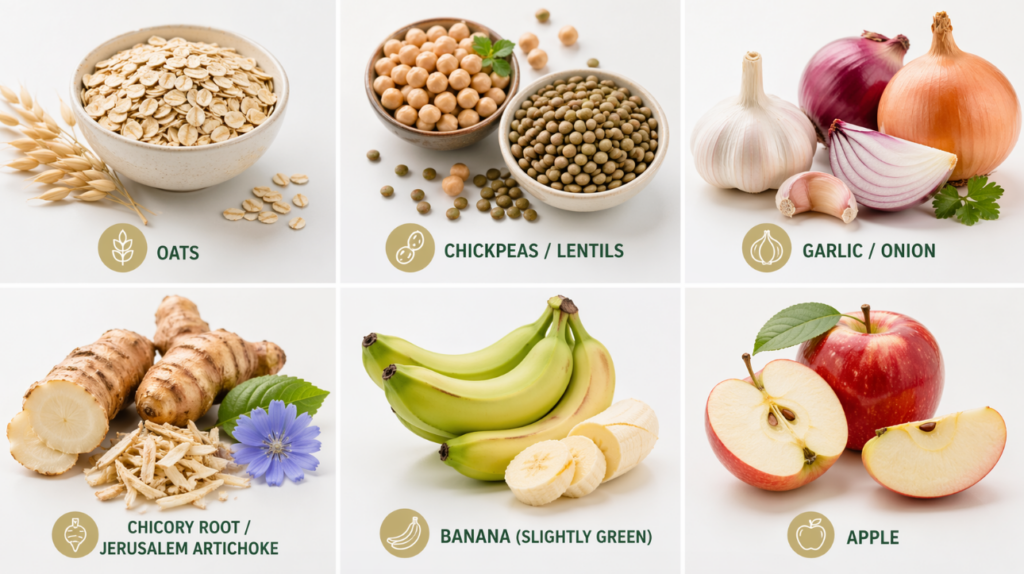
Cereals And Legumes
- Whole Oats: Contains a lot of Beta-glucan fiber, which is strongly associated with a healthy gut flora and improved blood sugar control.
- Chickpeas and Lentils (chickpeas and lentils): These are the preferred Prebiotic foods list members for vegetarians.
Vegetables And Roots (Foods High In Prebiotics)
- Chicory Root: This is the richest natural source of Prebiotic fiber foods and contains a lot of Inulin. It is often ground to be used as a decaffeinated coffee substitute.
- Garlic and Onions: These kitchen essentials are rich in oligofructose (FOS), which can significantly promote Bifidobacteria growth.
- Jerusalem Artichoke: contains extremely high inulin, is a powerful intestinal fuel.
Fruits
- Bananas (bananas): Especially slightly immature (with a bit of cyan) bananas, contain a lot of Resistant Starch (resistant starch), which is 1 a powerful prebiotic.
- Apples (apple): contains pectin (Pectin), this fiber can increase the production of butyric acid and reduce harmful bacteria.
Do Prebiotics Make You Poop?
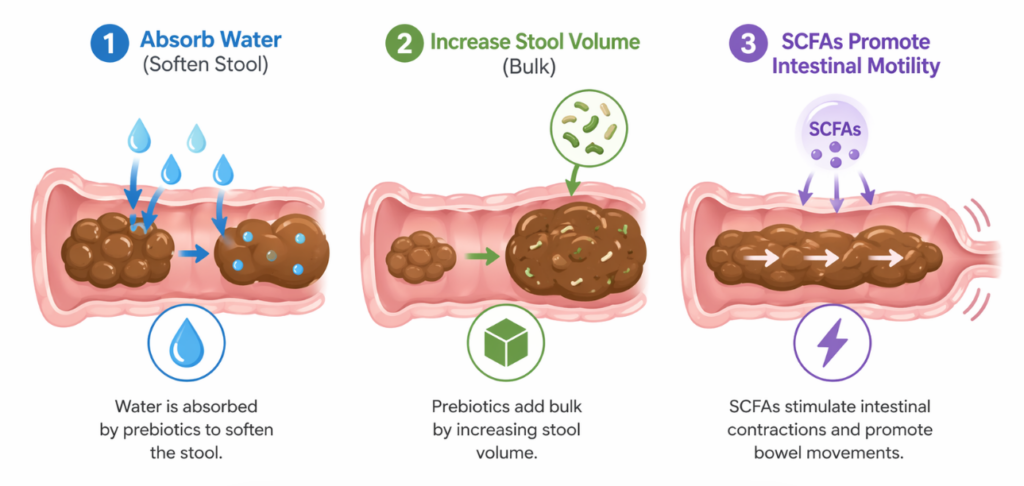
Yes. But its mechanism is much more advanced than simple laxatives. Prebiotic fiber supplement improve bowel movements:
- Osmotic action: The introduction of moisture into the colon to soften the stool.
- Increased volume: as fibers, they increase the volume of stool, stimulate intestinal peristalsis.
- Energy production: SCFAs produced by fermentation can provide energy for intestinal muscles and improve bowel movements.
Clinical advice: If you are trying Prebiotic fiber supplement for the first time, be sure to start with a low dose to avoid possible bloating in the early stages.
FAQ
Can you take them together?
In fact, this is called Synbiotics. When ingested at the same time, prebiotics provide probiotics with the nutrients they need to survive, ensuring that these expensive live bacteria can successfully “settle down” in your intestines “. That’s why many experts consider Best prebiotic and probiotic combination to be the ultimate in gut care.
Which is better, supplements or natural foods?
Although Prebiotic foods list should be the basis, Prebiotic fiber supplement can provide more precise doses (such as specific grams of Inulin or GOS), which is more beneficial to people with specific digestive needs.
How to choose Best prebiotic and probiotic supplement?
Look for products that are labeled with a specific strain (e. g. Lactobacillus rhamnosus GG) and fiber type (e. g. Sunfiber or FOS) and ensure that they are supported by clinical data.
Develop Your Gut Health Strategy
Understanding Difference between prebiotic and probiotic is the first step to mastering modern dietetics. Probiotics brought in good “workers,” while Prebiotics provided the necessary “fuel”.
To optimize your gut health, follow these three tips:
- Diet diversification: refer to the above Prebiotic foods list, eat more garlic, onions and oats.
- Add smartly: Consider using Prebiotic collagen protein (such as Happy Mammoth) to take care of both gut and skin health.
- Healthy alternatives: The next time you want a Coke, try a Prebiotic soda like Poppi or Olipop.
The prev: What Is Polydextrose Made OfThe next: Does Allulose Have An Aftertaste? 100% Honest Review
Related recommendations
-

Does Allulose Have An Aftertaste? 100% Honest Review
22Does Allulose Have An Aftertaste? Read Our 100% Honest Review To Spot Fake Blends And Learn Pro Baking Tips.
View details -
Galacto-Oligosaccharide Powder: Unlocking Superior Prebiotic Solutions for Food & Beverage Innovation
1131Explore The Science Behind Galacto-Oligosaccharide Powder And Its Proven Prebiotic Role In Gut Health And Digestive Support.
View details -
Can Lack Of Vitamin B12 Cause Weight Gain
579Does B12 Deficiency Lead To Weight Gain? Explore How Low B12 Impacts Metabolism, Insulin Resistance, And Appetite.
View details -
What’s The Difference Between Dietary Fiber And Soluble Fiber
420Learn The Difference Between Dietary Fiber And Soluble Fiber, How They Work, And Their Unique Health Benefits.
View details