SGNUTRI


Search Product
Are There Any Negative Effects Of Sucralose
Although the FDA generally considers sucralose (commonly known as Splenda) to be safe, in practice, the side effects of this sugar substitute-such as gastrointestinal discomfort, dysbacteriosis, and even inflammation-are actually quite common. Recent studies have even linked it to DNA damage and metabolic disorders. Here are some of the core issues I ‘ve sorted out:
Gastrointestinal Discomfort
Although most of the sucralose is not absorbed by the body, it is not idle when it “passes” the digestive tract. Even if only a little intake, intestines and stomach will be upset:
- Flatulence and bloating: This ingredient may ferment in the intestines, or affect the rhythm of digestion. The gas is trapped in the intestines, and the taste is really bad.
- Abnormal defecation: many people feedback soon after drinking diarrhea or abdominal pain. The body does not recognize this synthetic molecule. In order to expel it, the intestine is forced to absorb water from the surrounding tissues, leading to various embarrassing situations.
Bacteria And “Intestinal Leakage”
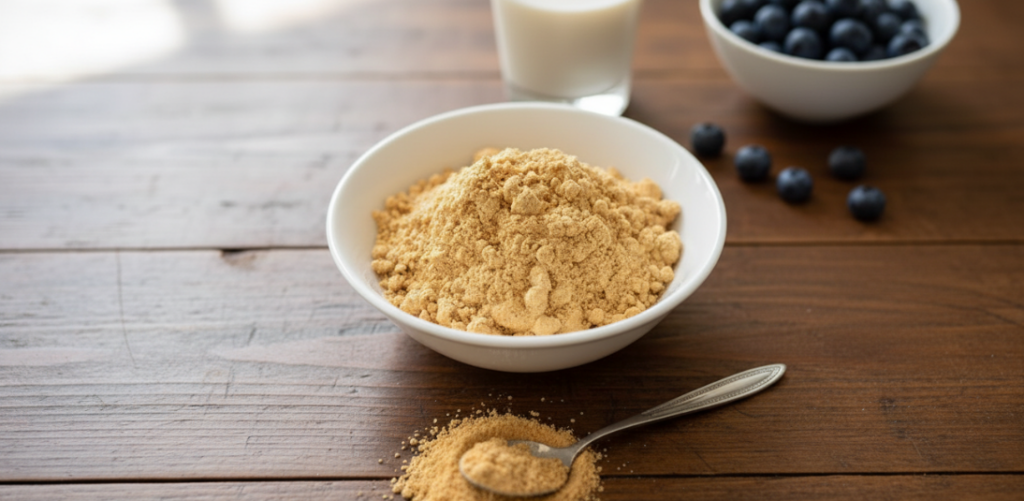
Now people pay more and more attention to the intestinal microecology, because it is the cornerstone of systemic immunity. The problem is that sucralose is not a “quiet traveler”.
- Dysbacteriosis: Evidence shows that long-term eating of this stuff will reduce the intestinal beneficial bacteria, and these bacteria are responsible for immunity and nutrient absorption.
- Risk of intestinal leakage: There is also a very heart-wrenching view that it may damage the intestinal barrier. Once this “line of defense” is thin, which is the so-called “intestinal leakage”, toxins and bacteria in the intestinal tract may slip into the blood and cause systemic inflammation, which is the fuse of many chronic diseases.
Soluble Fiber
Wholesale soluble dietary fiber, suitable for dietary supplements, food products, etc.
Prebiotic
Offer prebiotic dietary fiber supplements and sugar substitute products.
Starch Sugar
Made from maltodextrin and glucose, suitable for use in food and beverages.
Soy Fiber
High-quality Soy Fiber provides raw materials for industries such as nutritional supplements.
Protein
Seeking ultra-low parasitics and signal integrity for 100 GHz+applications.
Vitamins
A high-quality vitamin manufacturer serving the food and nutritional supplement industry.
Metabolic Truth
Many people switch to sucralose to control weight loss, but this can sometimes backfire.
- Appetite is biased: sugar substitutes can mess up the body’s signaling system, making the brain mistakenly believe that you are eating high-calorie foods, and as a result, you will be more greedy for those sweets.
- Glucose tolerance: Frequent sucralose intake may affect insulin sensitivity. Originally wanted to simplify blood sugar management, the result is to make the metabolic mechanism more complex.
Genes Of Concern: Sucralose-6-Acetate
Recently, there was a rather worrying discovery in the scientific community involving a metabolite of sucralose: sucralose -6-acetate. Laboratory studies have shown that the gadget is potentially genotoxic, in short, it may damage DNA. Although it is not yet at the point where everyone is at risk, it is a wake-up call for long-term cell health.
Cardiovascular And Systemic Effects
In addition to the stomach and metabolism, the effects of sucralose actually spread to the cardiovascular system.
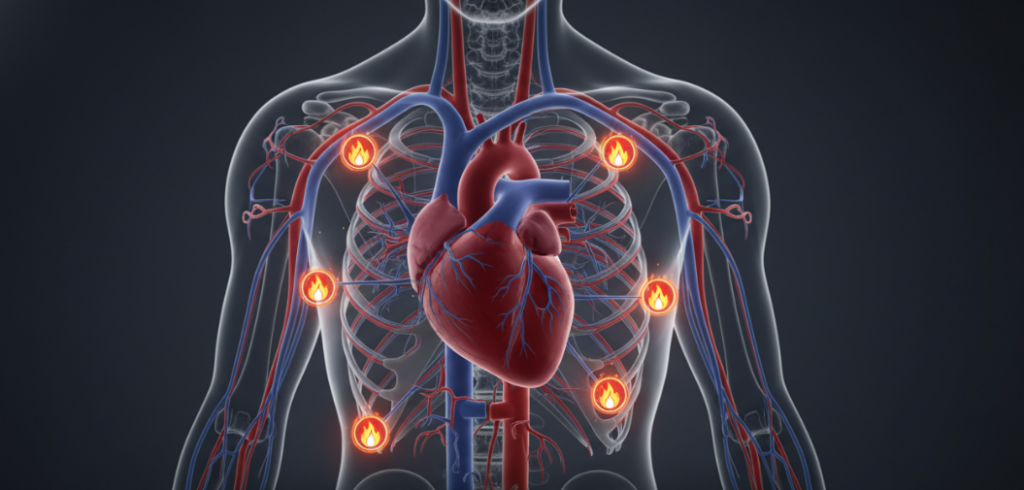
- Heart health associations: Several observational studies have linked long-term high intake of artificial sweeteners to an increased risk of heart disease and stroke.
- Chronic inflammation: The dysbacteriosis and metabolic disturbances just mentioned will eventually lead to a 1 low-intensity chronic inflammatory state in the body. Over time, the liver and arterial walls will be subjected to additional pressure, which is obviously detrimental to the prevention of various chronic diseases.
In general, if you are usually sensitive to these chemical compounds, I personally tend to recommend minimizing intake. After all, the body’s natural adjustment ability is much more reliable than artificial additives.
Author: Alex Reed
I am a clinical nutritionist and researcher dedicated to evidence-based wellness. Over the past decade, I have analyzed countless clinical cases and dietary studies to help my clients navigate the complexities of modern food additives. My mission is to cut through the marketing noise surrounding “sugar-free” products and empower you to make informed decisions that support—not sabotage—your body’s natural health.
The prev: How Does Erythritol Compare To SugarThe next: Can Sucralose Affect Blood Sugar
Related recommendations
-

How Long Does It Take For Vitamins To Start Working
449Curious When You’ll Feel The Effects Of Your Vitamins? Learn How Vitamin Type And Deficiency Impact The Timeline For Results.
View details -
Difference Soluble And Insoluble Fiber
345Master The Difference Soluble And Insoluble Fiber Play In Your Gut. Soluble Controls Hunger; Insoluble Keeps You Regular.
View details -
Is Zero Sugar Vitamin Water Good For You
338Is Zero Sugar Vitamin Water Good For You? Discover Its Impact On Weight Loss, Sweeteners, And Overall Health Facts.
View details -
Fructo-Oligosaccharide Powder: Health Benefits and Uses
1362Discover What Fructo-Oligosaccharide Powder Is, Its Health Benefits, And Common Uses In Food And Supplements-SGNUTRI.
View details