 SGNUTRI


Search Product

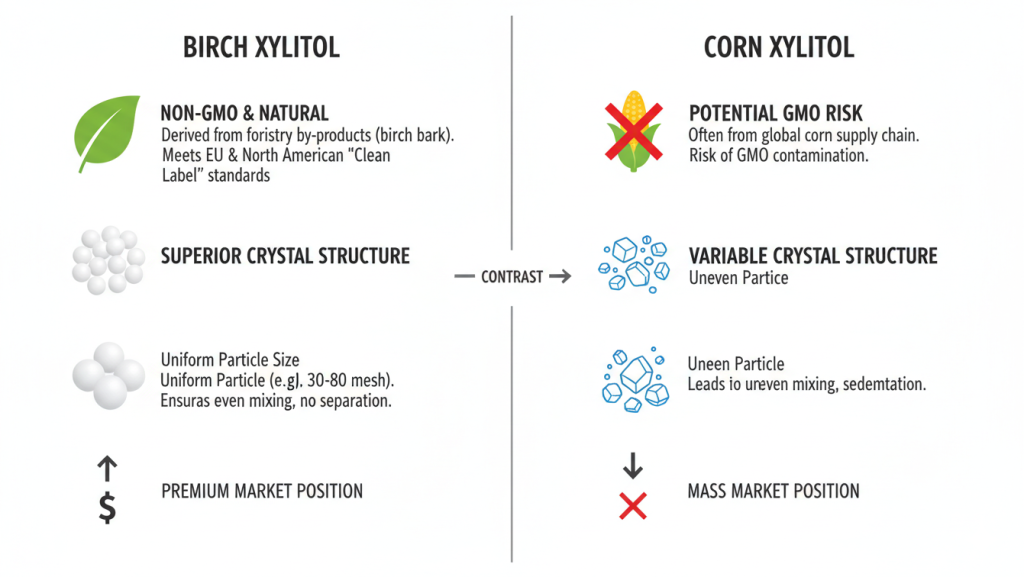
Extracted from 100% natural birch bark, it has more than 99.5% high purity and significant endothermic and cooling taste. The heat is only 60% of sucrose and the sugar index is as low as 7. It is a non-genetically modified sugar substitute material specially developed for high-end functional food and oral care products and supports batch ordering.
more than 99.5%
Purity
92-96 degrees Celsius
Melting point
30-80 mesh
Particle size
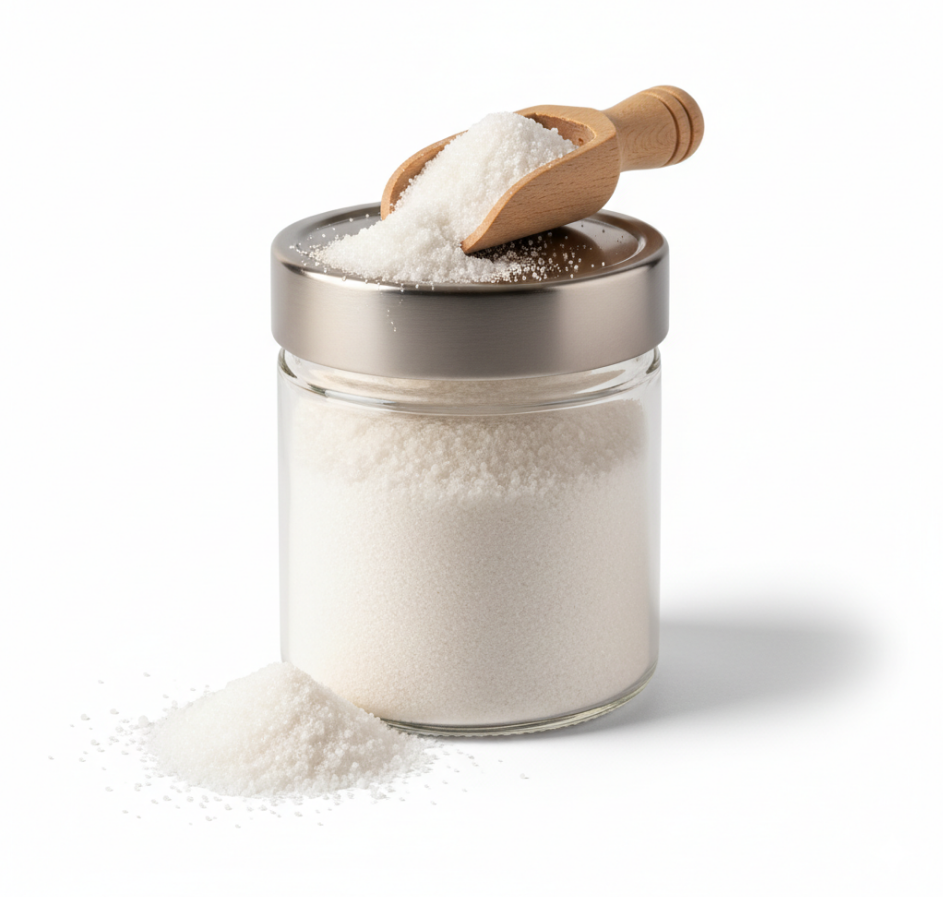

The heat of solution is negative 36.5 calories per gram, producing a significant endothermic reaction. In chewing gum or buccal tablet applications, when the product is dissolved in contact with saliva, it can instantly reduce the temperature of the mouth by about 2 to 4 degrees Celsius, providing a strong and long-lasting cooling taste.
The glycemic index is only 7, far below the 65 of sucrose. The raw material does not rely on insulin metabolism, and the blood sugar fluctuation is very small after intake, which is very suitable for the development of low GI meal replacement food and beverage for diabetic patients or ketogenic diet people.
The melting point is stable at 92 to 96 degrees Celsius, and the boiling point is as high as 216 degrees Celsius. In the baking or high temperature sterilization process, the molecular structure remains stable and does not decompose, does not lose its sweetness after heating like aspartame, and is suitable for the production of biscuits and pastries.
Streptococcus in the mouth can not ferment the use of xylitol, thus cutting off the bacteria to produce acidic substances of energy sources. When the addition amount reaches a certain proportion, it can effectively inhibit the formation of dental plaque and adjust the pH value of the oral cavity, which is suitable for toothpaste and mouthwash formulations.
The sweetness is about 100 percent of sucrose, and the taste is pure and odorless. Sucrose can be directly replaced at a ratio of 1 to 1 in formulation development without recalculating the sweetness balance, and can provide similar volume and texture to sucrose, reducing the use of fillers.
The solubility in water at 20 degrees Celsius is about 1.6 grams per milliliter, which is better than most sugar alcohols. Its molecular structure has good moisturizing properties, used in baked goods can extend the shelf life of the product, maintain a soft taste, to prevent the finished product from rapid aging and drying.
| Test Project | Specifications and Standards |
| Appearance | White crystalline powder |
| Identification | 99.5% – 100.5% |
| Loss on drying | ≤ 0.20% |
| Melting point range | 92.0°C – 96.0°C |
| Heavy metals (as Pb) | ≤ 1.0 mg/kg |
| Arsenic content | ≤ 0.5 mg/kg |
| pH value (10% aqueous solution) | 5.0 – 7.0 |
| Solubility (20°C) | ~160g / 100ml water |
| Burning residue | ≤ 0.02% |
| Particle size distribution | 10-40 stitches / 30-80 stitches / 100 stitches |

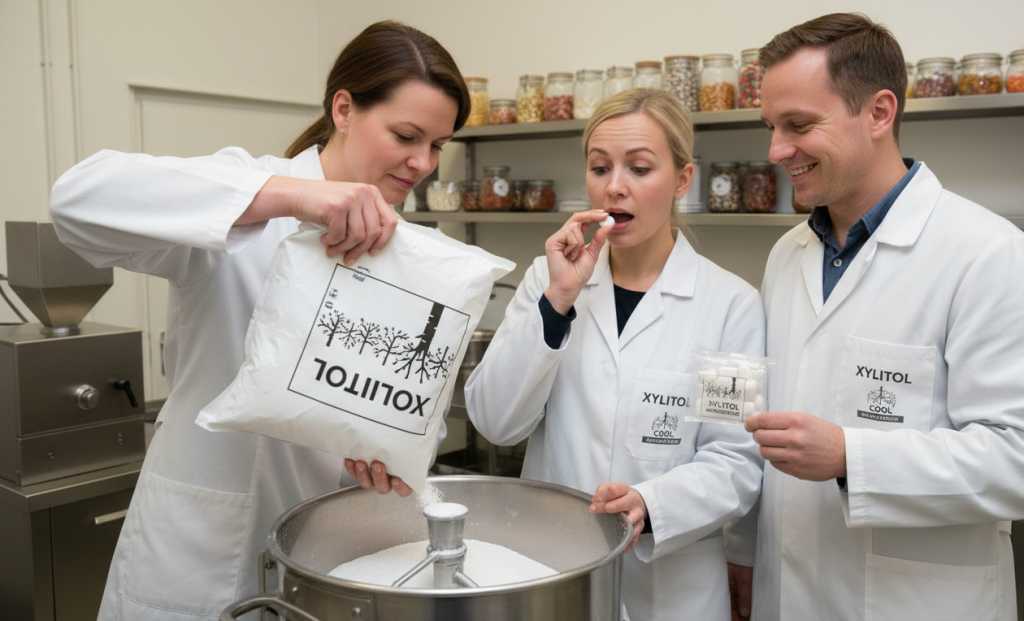
Using the heat absorption and cooling characteristics of the product, it is designed to provide raw materials for manufacturers who develop cool hard candy, chewing gum or throat candy, enhance the body feeling of the product, and improve the re-purchase rate of consumers.
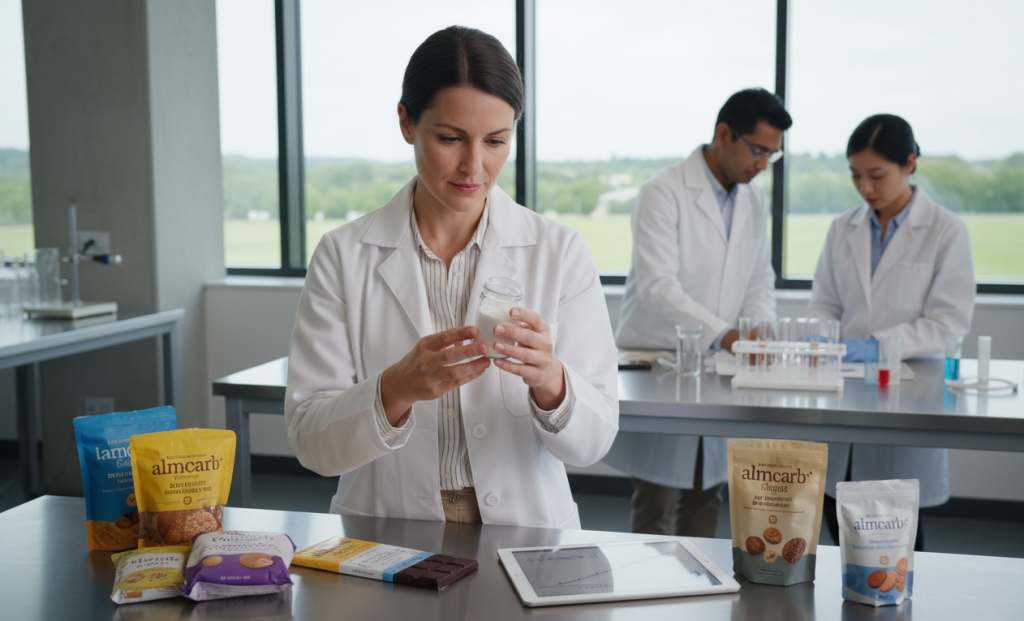
Targeting the low-carb diet market, we provide low-glycemic-index sweetening solutions for biscuit, chocolate and meal replacement manufacturers to ensure that products meet low GI certification standards.
For manufacturers of toothpaste, mouthwash and dentifrice, it uses its non-cariogenic and plaque-inhibiting properties to add as a core functional ingredient to mothproof tooth care products.
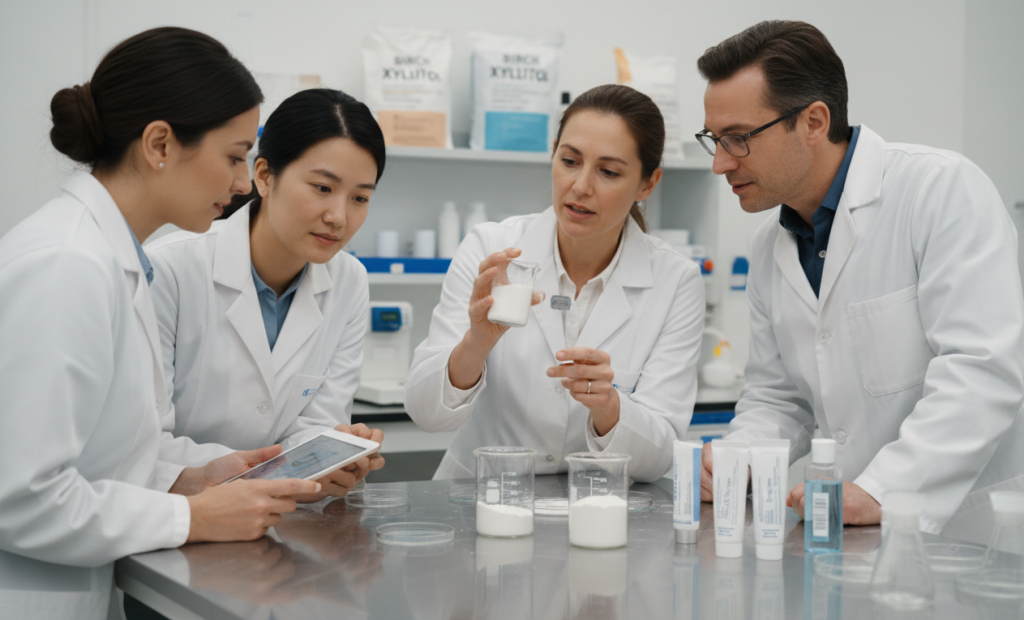
Suitable for the production of powder granules or chewable tablets foundry, using its good fluidity and compression properties, as excipients and sweeteners, to mask the bitter taste of vitamin or mineral ingredients.
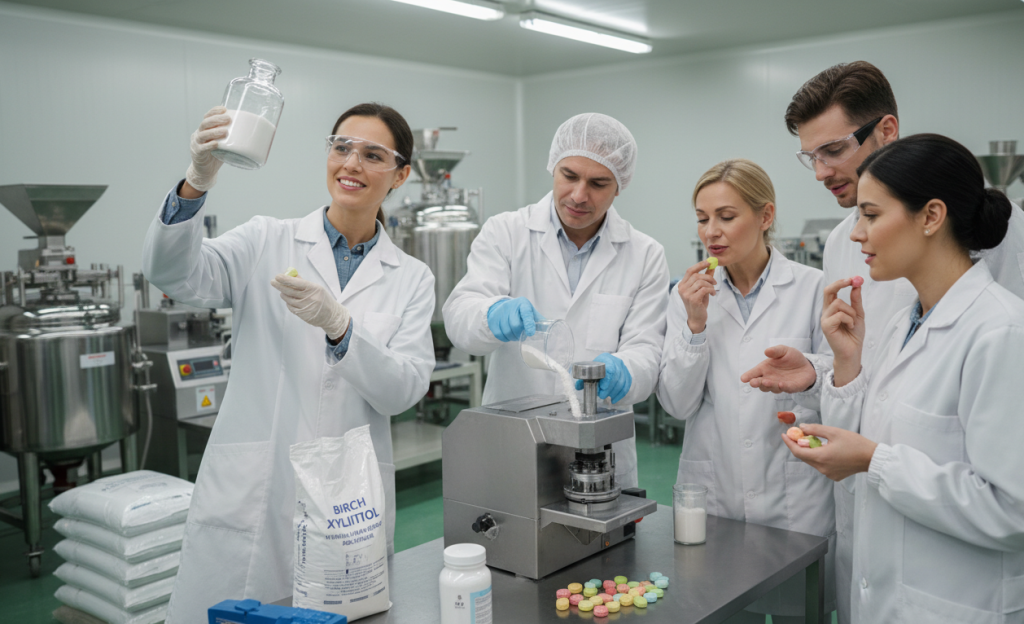

Since the product will absorb a large amount of heat when dissolving, resulting in a decrease in the solution temperature, it is recommended to use warm water at 30 to 40 degrees Celsius for dissolution to increase the dissolution rate and prevent crystallization due to local supercooling.

In baking applications, although sucrose can be replaced 1 to 1, the finished skin is lighter because it cannot caramelize. It is recommended to appropriately increase the furnace temperature by 5 to 10 degrees Celsius or extend the baking time to obtain the ideal color.

The raw material has strong hygroscopicity. If the bag is not used up after opening, the air in the bag must be immediately discharged and heat sealed or sealed with a clamp, and stored in a dry environment with a relative humidity of less than 50% to prevent moisture absorption and agglomeration.

The product cannot be used by yeast fermentation. When making bread or steamed bread and other pasta that needs to be fermented, sucrose cannot be completely replaced as a nutrient for yeast. A small amount of glucose needs to be added for yeast fermentation, or a chemical leavening agent is used.

certificate

Welcome to our Frequently Asked Questions page. We have compiled answers to common questions you may have, hoping to provide you with clear and quick solutions. If you cannot find the information you need here, please feel free to contact our customer support team.
Extracted from 100% natural birch bark, it has more than 99.5% high purity and significant endothermic and cooling taste. The heat is only 60% of sucrose and the sugar index is as low as 7. It is a non-genetically modified sugar substitute material specially developed for high-end functional food and oral care products and supports batch ordering.
Purity
more than 99.5%
Melting point
92-96 degrees Celsius
Particle size
30-80 mesh

The heat of solution is negative 36.5 calories per gram, producing a significant endothermic reaction. In chewing gum or buccal tablet applications, when the product is dissolved in contact with saliva, it can instantly reduce the temperature of the mouth by about 2 to 4 degrees Celsius, providing a strong and long-lasting cooling taste.
The glycemic index is only 7, far below the 65 of sucrose. The raw material does not rely on insulin metabolism, and the blood sugar fluctuation is very small after intake, which is very suitable for the development of low GI meal replacement food and beverage for diabetic patients or ketogenic diet people.
The melting point is stable at 92 to 96 degrees Celsius, and the boiling point is as high as 216 degrees Celsius. In the baking or high temperature sterilization process, the molecular structure remains stable and does not decompose, does not lose its sweetness after heating like aspartame, and is suitable for the production of biscuits and pastries.
Streptococcus in the mouth can not ferment the use of xylitol, thus cutting off the bacteria to produce acidic substances of energy sources. When the addition amount reaches a certain proportion, it can effectively inhibit the formation of dental plaque and adjust the pH value of the oral cavity, which is suitable for toothpaste and mouthwash formulations.
The sweetness is about 100 percent of sucrose, and the taste is pure and odorless. Sucrose can be directly replaced at a ratio of 1 to 1 in formulation development without recalculating the sweetness balance, and can provide similar volume and texture to sucrose, reducing the use of fillers.
The solubility in water at 20 degrees Celsius is about 1.6 grams per milliliter, which is better than most sugar alcohols. Its molecular structure has good moisturizing properties, used in baked goods can extend the shelf life of the product, maintain a soft taste, to prevent the finished product from rapid aging and drying.
| Test Project | Specifications and Standards |
| Appearance | White crystalline powder |
| Identification | 99.5% – 100.5% |
| Loss on drying | ≤ 0.20% |
| Melting point range | 92.0°C – 96.0°C |
| Heavy metals (as Pb) | ≤ 1.0 mg/kg |
| Arsenic content | ≤ 0.5 mg/kg |
| pH value (10% aqueous solution) | 5.0 – 7.0 |
| Solubility (20°C) | ~160g / 100ml water |
| Burning residue | ≤ 0.02% |
| Particle size distribution | 10-40 stitches / 30-80 stitches / 100 stitches |
Using the heat absorption and cooling characteristics of the product, it is designed to provide raw materials for manufacturers who develop cool hard candy, chewing gum or throat candy, enhance the body feeling of the product, and improve the re-purchase rate of consumers.
Targeting the low-carb diet market, we provide low-glycemic-index sweetening solutions for biscuit, chocolate and meal replacement manufacturers to ensure that products meet low GI certification standards.
For manufacturers of toothpaste, mouthwash and dentifrice, it uses its non-cariogenic and plaque-inhibiting properties to add as a core functional ingredient to mothproof tooth care products.
Suitable for the production of powder granules or chewable tablets foundry, using its good fluidity and compression properties, as excipients and sweeteners, to mask the bitter taste of vitamin or mineral ingredients.
Since the product will absorb a large amount of heat when dissolving, resulting in a decrease in the solution temperature, it is recommended to use warm water at 30 to 40 degrees Celsius for dissolution to increase the dissolution rate and prevent crystallization due to local supercooling.
In baking applications, although sucrose can be replaced 1 to 1, the finished skin is lighter because it cannot caramelize. It is recommended to appropriately increase the furnace temperature by 5 to 10 degrees Celsius or extend the baking time to obtain the ideal color.
The raw material has strong hygroscopicity. If the bag is not used up after opening, the air in the bag must be immediately discharged and heat sealed or sealed with a clamp, and stored in a dry environment with a relative humidity of less than 50% to prevent moisture absorption and agglomeration.
The product cannot be used by yeast fermentation. When making bread or steamed bread and other pasta that needs to be fermented, sucrose cannot be completely replaced as a nutrient for yeast. A small amount of glucose needs to be added for yeast fermentation, or a chemical leavening agent is used.