SGNUTRI


Search Product
Does Soluble Fiber Increase Satiety
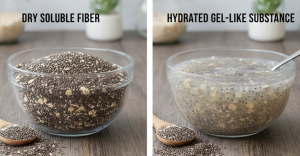
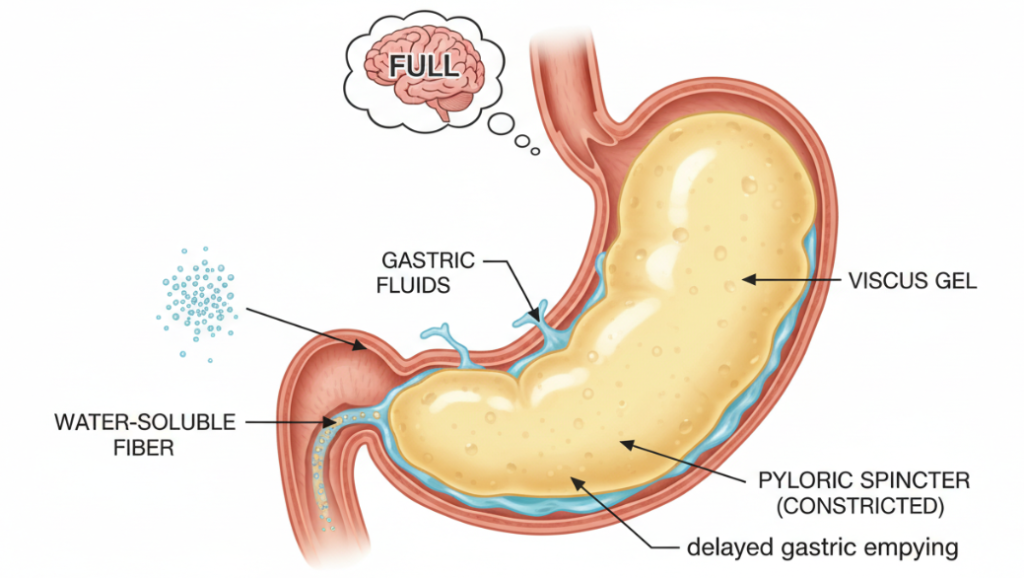
The answer is yes, water-soluble dietary fiber can indeed significantly increase satiety. The core mechanism behind this is mainly due to its unique ability to form a sticky gel-like substance in the intestine. When you ingest water-soluble fiber, it absorbs water and expands like a sponge. This physical change directly slows down the emptying of the stomach-in short, the food stays in your stomach longer, and hunger naturally comes later.
And it’s not just about “filling up” the stomach space. This viscous gel also forms a barrier in the intestine, slowing down the absorption of nutrients, thereby preventing blood sugar spikes and the subsequent energy plunge (which is often the culprit of a strong appetite). More in-depth clinical studies have also shown that water-soluble fiber interacts with the gut microbiota to stimulate the body to release potent appetite-suppressing hormones such as GLP-1 and PYY, while reducing levels of ghrelin.
Prioritizing the intake of this viscous water-soluble fiber is the scientifically proven means for anyone focused on weight management. It allows you to naturally control your appetite and reduce your total calorie intake without relying on the psychological pressure of a restrictive diet.
Viscosity And Gastric Emptying
The main mechanism by which water-soluble fiber inhibits hunger is the physical “transformation” that occurs during digestion “. Water-soluble fiber is “hydrophilic” -it loves water very much. Once in the stomach, it absorbs fluid and swells, transforming into a thick, viscous gel-like substance. This gel occupies a considerable volume in the stomach. Even if the calories of the meal are not high, it can also create physical “filling feeling” .
But the more critical point is that this viscosity determines the speed of digestion. This process, known as “delayed gastric emptying” , means that the rate at which chyme moves from the stomach to the small intestine is greatly reduced. As long as the food remains in the stomach, certain signals will continue to be sent to the brain, telling it that you are still “full”, thus delaying the time of the next meal.
Stabilizing Blood Sugar To Block False Hunger”
The viscous gel formed by the water-soluble fibers actually acts as a physical barrier on the intestinal wall. This barrier slows down the enzymatic hydrolysis of carbohydrates and correspondingly slows down the entry of glucose into the bloodstream. By relieving the rapid influx of sugar, water-soluble fiber effectively prevents the kind of sharp insulin spike that usually follows a high-carbohydrate diet.
Why is this about satiety?
It’s actually about metabolic stability:
- Prevention of “energy plunge”: A rapid spike in blood sugar is almost always followed by a rapid plunge (hypoglycemic reaction).
- Stop Pseudo-Hunger: When blood sugar plummets, the brain interprets the drop as an emergency signal for fuel, triggering a strong craving for sugar or refined carbohydrates.
- Continuous energy supply: By smoothing the glucose curve, the water-soluble fiber provides a steady flow of energy, shutting out those annoying “false hunger” signals.
To the forefront of nutrition
Soluble Fiber
Soluble fiber is a highly stable, indigestible dietary ingredient that promotes weight control by increasing satiety and reducing food intake. Versatile in application, it is widely used to enhance the nutritional profile and texture of foods, beverages, and health products.
Soluble Fiber
Prebiotic
A prebiotic functions as a proliferation factor that is selectively degraded and utilized by beneficial intestinal bacteria, such as Bifidobacteria. This process exerts a positive effect on overall human health, often accompanied by metabolic advantages such as low caloric impact and minimal blood sugar fluctuations due to their unique digestive stability.
Prebiotic
Vitamins
Vitamins are essential organic micronutrients, categorized into water-soluble and fat-soluble forms, that regulate critical physiological processes such as metabolism, immunity, and coagulation. Due to their sensitivity to light, heat, and moisture,
Vitamins
Hormonal Response: GLP-1, PYY And Ghrelin
Perhaps the most compelling evidence for water-soluble fiber and satiety comes from its effects on the endocrine system. It’s not just filling your stomach, it’s a complex interplay between fiber, gut flora and hunger hormones. When the water-soluble fiber reaches the large intestine, it is fermented by beneficial intestinal bacteria. This fermentation process produces short-chain fatty acids (SCFAs), which trigger a cascade of hormonal responses that regulate appetite:
- Stimulating GLP-1 and PYY: These are potent satiety hormones (anorexia hormones). Existing studies indicate that the fermentation of water-soluble fibers signals the release of glucagon-like peptide -1(GLP-1) and peptide YY(PYY). These hormones travel to the hypothalamus of the brain to signal that energy needs have been met, effectively shutting down the desire to eat.
- Inhibiting Ghrelin: This hormone is often called “ghrelin”, and its levels rise before meals and fall after meals. In many cases of dietary intervention, a diet rich in viscous water-soluble fiber has been shown to suppress ghrelin levels more effectively and for a longer duration than a low-fiber diet.
Water-Soluble Fiber For Weight Management
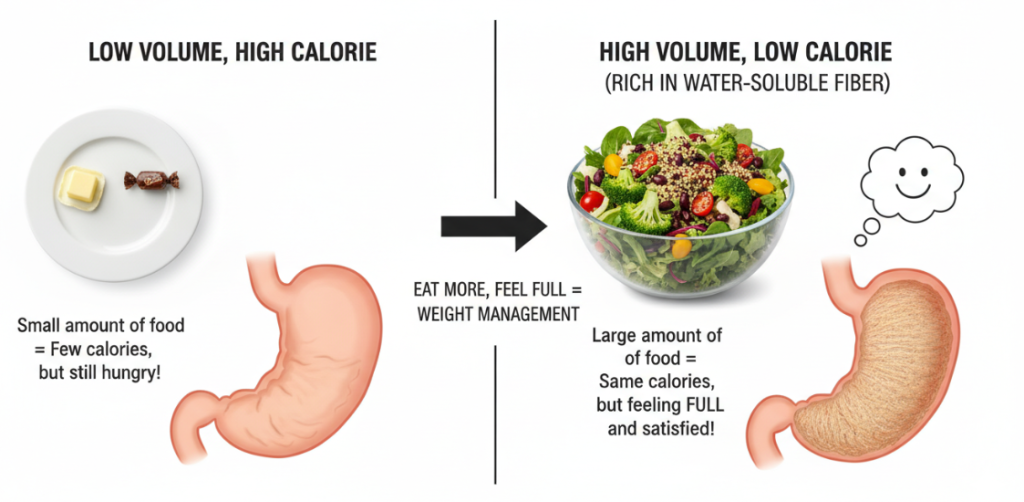
For those who prioritize weight management, understanding the link between water-soluble fiber and satiety could revolutionize the way “dieting” is viewed. Instead of painfully relying on willpower to fight physiological hunger, it is better to achieve natural appetite control by increasing the intake of water-soluble fiber. By incorporating these viscous fibers in our diet, we are able to passively reduce total caloric intake. This is very much in line with the concept of “volumetric diet “-that is, eating foods that can provide high satiety with fewer calories-which makes the weight loss process no longer accompanied by the psychological stress common to restrictive diets.
Author: Sarah Jenkins
“I am a Certified Nutritionist dedicated to decoding the science of metabolism. I specialize in explaining how functional nutrients—like viscous fiber—interact with gut hormones to naturally regulate appetite, helping you manage weight without restrictive dieting.”
The prev: What Is Resistant Dextrin Made FromThe next: What Does Soluble Fiber Do
Related recommendations
-

Does Soluble Fiber Dissolve In Water
267Yes! Soluble Fiber Dissolves In Water. Discover The “Sponge Effect” For Better Digestion, Blood Sugar, And Cholesterol.
View details -
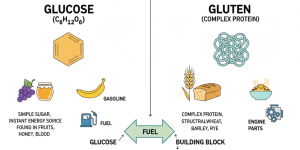
Is Glucose The Same As Gluten
480No, Glucose Is Not Gluten. Glucose Is A Sugar, While Gluten Is A Protein. Learn Why Glucose Is Safe For Celiacs.
View details -
Are There Any Negative Effects Of Sucralose
113Discover The Hidden Side Effects Of Sucralose, From Gut Issues And DNA Damage To Metabolic Risks. Learn Why Minimizing Intake Is Essential For Your Long-Term Health.
View details -
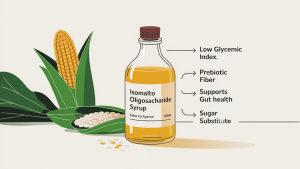
Isomalto Oligosaccharide Syrup: Versatile Prebiotic
1303Support Digestion And Wellness With Sgnutri's Imo Syrup – Ideal For Health Foods And Functional Beverages.
View details