
 SGNUTRI


Search Product
Does Vitamin C Help With Hangovers
The answer is yes, vitamin C can really help.
Simply put, it relieves a hangover by accelerating the body’s ability to metabolize alcohol and neutralizing the oxidative stress caused by toxins. When you push the cup for a change, your body is actually depleting its reserves of vitamin C to combat alcohol toxicity. If you can supplement 1000 mg of vitamin C in time, you can not only fill this gap, but also support the liver to produce glutathione -this is the “king of antioxidants” essential for removing alcohol, and also by the way Pull your immune system.
However, for quick relief without irritating the already fragile stomach, I usually recommend either buffered vitamin C or liposomal vitamin C Be sure to use it with at least 16 ounces of water and electrolytes to solve the dehydration problem at the same time. From a scientific point of view, it is definitely a powerful tool that can shorten the duration of hangover and reduce the degree of pain.
How Vitamin C Neutralizes Alcohol-Induced Oxidative Stress
The core reason why vitamin C is effective for hangovers is that it is a powerful antioxidant.
We have often emphasized in clinical practice that alcohol intake triggers a severe oxidative stress response in the body. When your liver breaks down alcohol, it produces toxic byproducts (such as acetaldehyde), which can damage cells and cause inflammation.
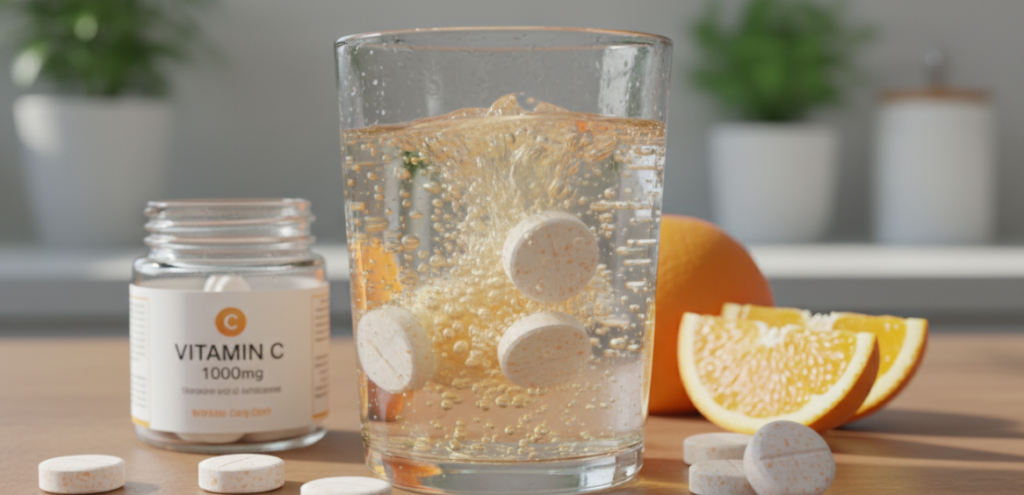
The introduction of vitamin C at this time is actually to provide the body with “ammunition” to neutralize these free radicals. This process can reduce the systemic inflammation that causes headaches and body aches, in effect adding a protective shield to your cells to prevent the toxicity from spreading further.
The Key Link Between Vitamin C And Liver Function
The liver is your engine for removing alcohol from your body, but without specific nutrients, this engine won’t turn. The vitamin C supports the production of glutathione.
Glutathione is often referred to as the body’s “antioxidant master”. It is an integral part of the liver detoxification pathway. Heavy drinking can quickly drain your natural stores of glutathione. By supplementing with vitamin C, you can help the body “save” and regenerate glutathione stocks, allowing the liver to process and excrete alcohol metabolites faster. This directly determines whether your hangover lasts long or short.
Why Fill The “Stolen” Reserves?
Be sure to understand the concept that alcohol is a “nutrition thief”. When the immune system is fighting the toxicity of alcohol, your vitamin C reserves are depleted in large quantities.
This consumption can lead to a compromised immune system and low energy levels the next morning. Therefore, your vitamin C supplement is not only to treat the symptom of headache, but also to “fill the pit”-to make up for the lost nutrition. Returning levels to the baseline of 1000 mg helps to “reboot” your metabolic processes, allowing the body to recover from the stress of the previous night.
Select The Right Dosage Form
Vitamin C is not all the same, especially when your stomach is turned upside down by alcohol. High doses of ordinary ascorbic acid can sometimes cause excessive acidity, causing digestive discomfort.
To avoid this, follow the advice: use buffered or liposomal vitamin C.
- Buffered Vitamin C: This form combines minerals (such as magnesium or calcium) to neutralize acidity and is milder to the stomach.
- Liposomal Vitamin C: This form encapsulates the vitamin in fat cells, which not only improves the absorption rate, but also avoids the stimulation of the digestive tract.
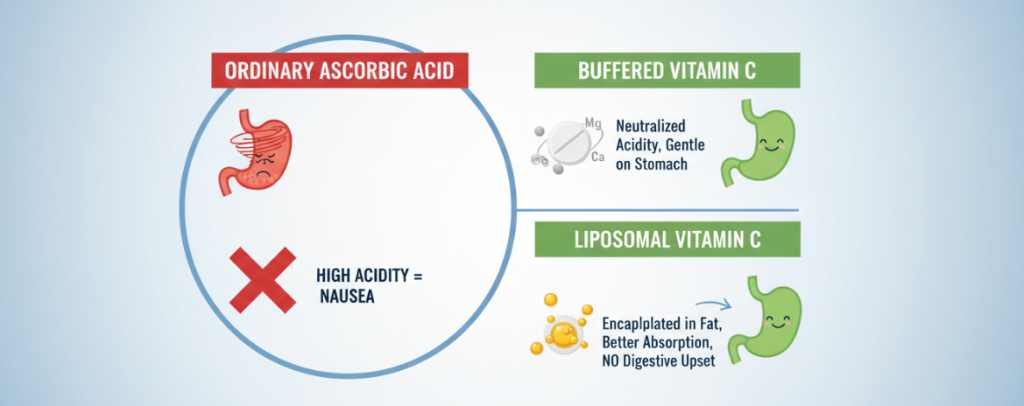
Use these specific forms to make sure you get all the benefits of a 1000 mg dose without making “nausea” aon your list of hangover symptoms.
Importance Of Hydration And Electrolytes
Although vitamin C is responsible for dealing with metabolic and oxidative problems in hangovers, its effectiveness will be greatly reduced if it is not combined with proper water supplementation. Taking at least 16 ounces of water and electrolytes is a “non-negotiable” hard indicator.
Alcohol is adiuretic and can cause severe dehydration. Vitamin C requires water to be effectively transported in the blood. By combining the antioxidant power of vitamin C with liquid and electrolyte supplements, you can simultaneously tackle the two main causes of a hangover: toxicity and dehydration.
Medical Disclaimer
The content provided in this article is for informational and educational purposes only and is not intended to be a substitute for professional medical advice, diagnosis, or treatment. Although Vitamin C is a generally safe supplement, individual health needs vary. Always seek the advice of your physician or other qualified health provider with any questions you may have regarding a medical condition or before starting any new supplementation regimen, especially if you have pre-existing liver conditions or sensitive digestion. This article does not endorse excessive alcohol consumption; please drink responsibly.
Author: Alan Reid
“I’m a clinical nutritionist specializing in metabolic health and supplementation. My work focuses on how antioxidants like Vitamin C support liver function and combat oxidative stress. I research science-backed protocols to help the body recover efficiently from toxicity and dehydration.”