
 SGNUTRI


Search Product
What Does The Glucose Drink Taste Like
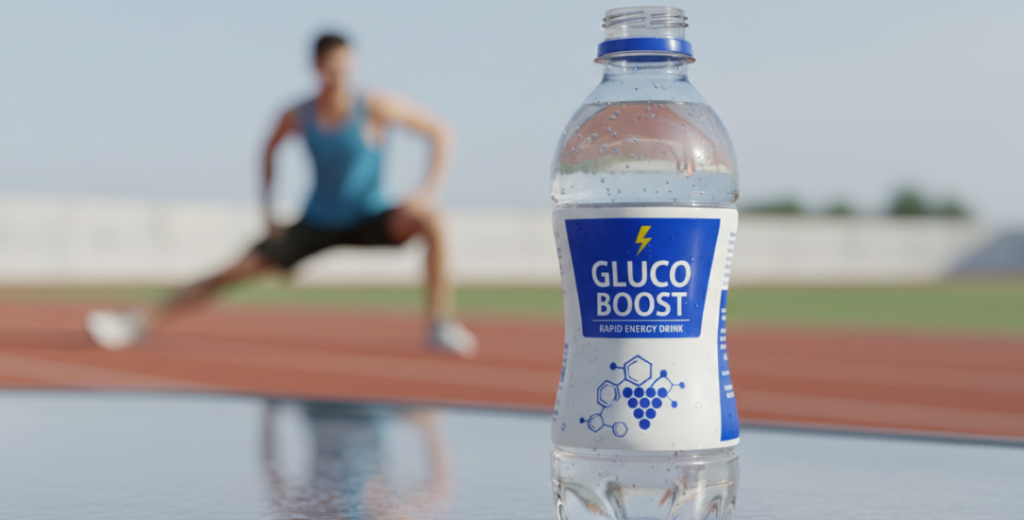
The most direct answer is that a glucose drink tastes like an extremely sweet, syrupy, flat soda. Imagine orange, lemon-lime, or fruit punch flavors, but without any carbonation and with a heavy, thick consistency. While it’s essentially sugar water with flavoring, it’s the intense sweetness and syrupy texture that many people find unpleasant and challenging. The good news is that simple tricks, like making sure the drink is very cold and using a straw, can make a huge difference.
Disassemble The So-Called Sweetness Off The Charts
When we say this thing is “extremely sweet”, we don’t mean the sweetness of a chocolate bar or ordinary sweet drink you usually eat. Because this beverage is designed to deliver a precise medical dose of glucose (usually 50g, 75g or 100g) in a very short period of time, and is fully compressed in those vials of liquid, its sugar concentration far exceeds anything we touch in our daily life.
Many pregnant mothers who have been screened describe this feeling to me like this:
Melted Popsicles: Imagine melting an entire boxes of popsicles in a bowl and drinking that concentrated juice directly.
Gatorade Concentrate: Like a sports drink powder, but with half the recommended amount of water added.
Liquid cake icing: the moment you drink it, the sharp sweetness goes straight to your forehead, which will make you feel greasy instantly.
About The Taste
Taste is often the key to determining whether you can drink smoothly. This point must do a good job of psychological construction: it is “flat” and “heavy.” Soda is delicious because there are bubbles (carbonic acid) to dilute the greasy feeling of syrup and clean up the mouth by the way, but sugar-resistant drinks are completely still liquids.
The absence of bubbles means that the liquid feels heavier and thicker in the mouth. It will “hang” on your tongue and throat like mild cough syrup or maple syrup. This “sticky texture” is often more likely to induce the gag reflex than the taste itself, because it does not feel like drinking water, and the sticky feeling will stay for a long time.
Soluble Fiber
Wholesale soluble dietary fiber, suitable for dietary supplements, food products, etc.
Prebiotic
Offer prebiotic dietary fiber supplements and sugar substitute products.
Starch Sugar
Made from maltodextrin and glucose, suitable for use in food and beverages.
Soy Fiber
High-quality Soy Fiber provides raw materials for industries such as nutritional supplements.
Protein
Seeking ultra-low parasitics and signal integrity for 100 GHz+applications.
Vitamins
A high-quality vitamin manufacturer serving the food and nutritional supplement industry.
Several Common Flavors
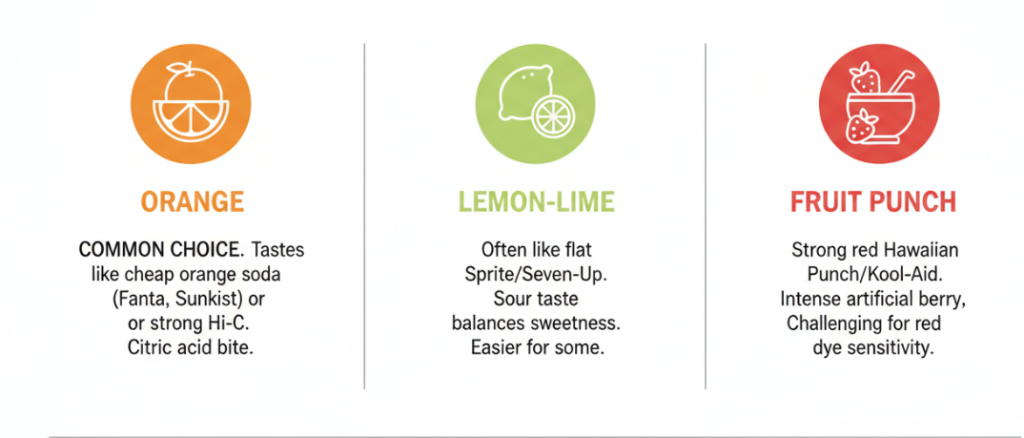
Although the base is sugar water, there is a difference between the added flavors used to mask the taste of glucose. Here are the practical experiences of the three standard “Glucola” flavors:
- Orange: This is the most common choice. It tastes very much like a cheap orange soda (such as Fanta or Sunkist) or a very strong Hi-C drink. It has a bit of citric acid “tongue biting” to try to balance the sweetness.
- Lemon-Lime: Often compared to a breathless Sprite or Seven-Up. I have found that many people find this relatively good to import, because the sour taste can cut off the dead sweet feeling better than the orange taste.
- Fruit Punch: This tends to taste like a very strong red Hawaiian Punch or Kool-Aid. If you are usually sensitive to red pigment, or hate that strong artificial berry flavor, this option may be the most challenging.
How To Make It Tolerable
Why Ice Is Important
Warm sugar water will amplify that syrupy sticky texture and make the sweetness even more amazing. When the drink is chilled, the low temperature will slightly paralyze your taste buds and inhibit the “thick” feeling of the liquid. Most labs keep drinks in the fridge, but it’s a good idea to make sure they’re cold before the nurse hands them to you.
Strategy With A Straw
Using a straw is very useful because it can help you bypass most of the area of your tongue. Put the straw back a little, you can swallow the liquid directly, don’t let it spread all over the mouth. This minimizes the “aftertaste” and reduces the sensory impact of that thick, sweet liquid.
Author: Dex
I specialize in demystifying pregnancy health topics. My goal is to prepare you for medical tests by focusing on the real sensory details—like the intense sweetness and flat texture of the glucose drink—so you can walk into your appointment feeling confident and ready.