
 SGNUTRI


Search Product
Where Is The Energy Stored In A Glucose Molecule
The energy in a glucose molecule (C6H12O6) is stored primarily in its chemical bonds, specifically within the high-energy electrons associated with the carbon-hydrogen (C-H) bonds. Technically, glucose possesses chemical potential energy due to the specific arrangement of its atoms. During cellular respiration, these bonds are broken and the atoms are oxidized into lower-energy compounds (carbon dioxide and water). This process releases the stored potential energy, which the cell then captures to synthesize ATP (Adenosine Triphosphate), the primary fuel for cellular activities.
Key points on how energy is stored and released:
- Release Mechanism: Through oxidation during cellular respiration (glycolysis and the citric acid cycle).
- Storage Location: In the non-polar covalent bonds between carbon and hydrogen atoms.
- Energy Origin: Originally derived from sunlight via photosynthesis and “packaged” into the glucose structure.
The Key Role Of Carbon-Hydrogen (C-H) Bonds In Energy Storage
To really understand where energy exists, we have to look at the atomic structure with a magnifying glass. Although glucose is composed of carbon, hydrogen, and oxygen, the distribution of energy is definitely not “rain and dew.” The main reservoir of energy is the non-polar covalent bond between carbon and hydrogen atoms.
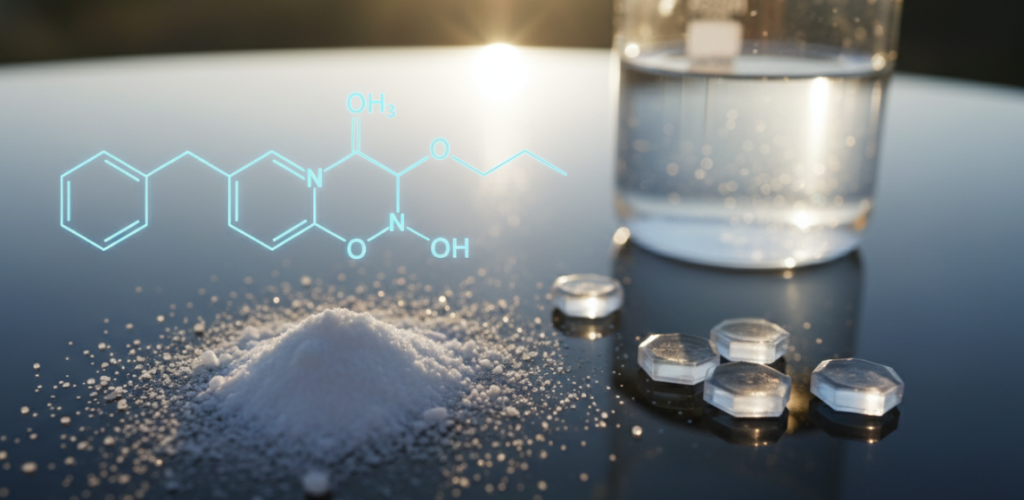
Why is C-H bond so special? This involves the position of the electron.
In a C-H bond, the position of the shared electron pair is approximately midway between the two nuclei. This specific position state contains significant potential energy.
- High-energy electrons: These electron positions themselves represent high potential energy.
- The stability and instability: These bonds are relatively stable, allowing glucose to effectively “lock up” energy reserves. But the key is that compared with the waste products of respiration (CO2 and H2O), the C-H bond is unstable (so the energy level is higher).
You can think of the C-H bond as the “fuel tank” of this molecule. Generally speaking, the more hydrogen atoms attached to carbon atoms in a molecule, the more energy it contains.
To the forefront of nutrition
Soluble Fiber
Soluble fiber is a highly stable, indigestible dietary ingredient that promotes weight control by increasing satiety and reducing food intake. Versatile in application, it is widely used to enhance the nutritional profile and texture of foods, beverages, and health products.
Soluble Fiber
Prebiotic
A prebiotic functions as a proliferation factor that is selectively degraded and utilized by beneficial intestinal bacteria, such as Bifidobacteria. This process exerts a positive effect on overall human health, often accompanied by metabolic advantages such as low caloric impact and minimal blood sugar fluctuations due to their unique digestive stability.
Prebiotic
Vitamins
Vitamins are essential organic micronutrients, categorized into water-soluble and fat-soluble forms, that regulate critical physiological processes such as metabolism, immunity, and coagulation. Due to their sensitivity to light, heat, and moisture,
Vitamins
Chemical Potential Energy And Atomic Arrangement
When we ask where energy exists, we are essentially talking about chemical potential energy. This is determined by the arrangement of atoms and electrons within the material.
In the glucose molecule, these 24 atoms (C6H12O6) create a high potential energy state. This is a bit like a compressed spring, or a stone at the top of the mountain. The atoms are held in a configuration that requires energy to maintain, and this energy is “locked” in place by the electron sharing mode described above.
The way the cell uses this potential energy is quite clever: it rearranges these atoms into a low-energy configuration (carbon dioxide and water) and “harvests” the energy difference in this conversion process.
Origin Of Energy: Photosynthesis
Energy does not appear out of thin air; this is the iron law of thermodynamics. The energy stored in glucose is ultimately the result of energy conversion.
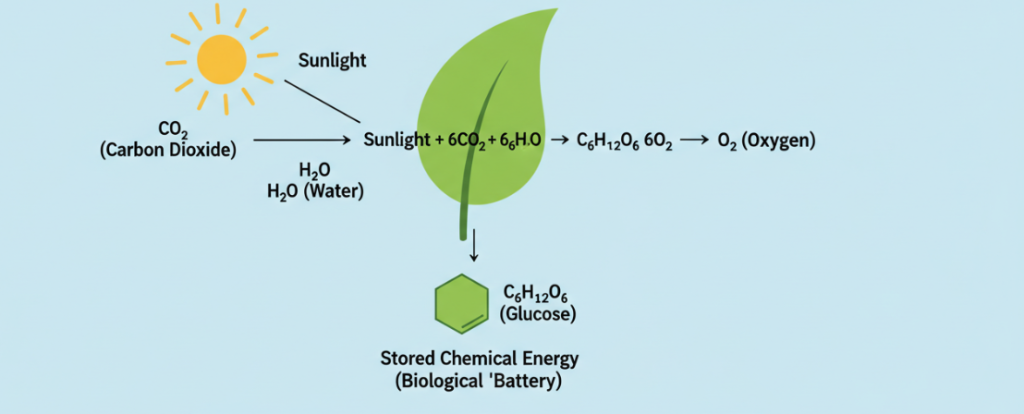
This energy originally comes from the sun. Through photosynthesis, plants capture solar energy and use this power to drive a reverse process: using the low-energy reactants—carbon dioxide (CO2) and water (H2O)—to rearrange the atoms.
In fact, it is sunlight that provides the necessary power, forcing the high-energy carbon-hydrogen bonds in glucose. Glucose is a biological “battery” that stores solar energy in chemical form for organisms to transport and extract at a later date.
Oxidation And ATP Synthesis
The central mechanism here is oxidation, which occurs during cellular respiration.
- Interruption of chemical bonds: During stages of glycolysis and the citric acid cycle, the energetic C-H bonds in glucose are interrupted one by one.
- Electron transfer: As the bond is broken, high-energy electrons are stripped. The carbon and hydrogen atoms will eventually combine with oxygen to form carbon dioxide and water. Here is a key point that is often overlooked: because oxygen is an extremely electronegative atom (it grasps electrons very tightly), in CO2 and H2O, the energy level of the bond formed in is much lower.
- Catch the difference: Atoms fall from a high-energy state (glucose) to a low-energy state (CO2 and water). The energy released in the process did not disappear. Cells capture this released energy through a complex set of mechanisms to drive ATP synthesis.
Author: Elena Ross
“As a biochemistry educator, I specialize in breaking down complex molecular processes. I am passionate about explaining how chemical structures, like the bonds in glucose, function as the fundamental fuel sources that power cellular life.”