 SGNUTRI


Search Product
Difference Soluble And Insoluble Fiber
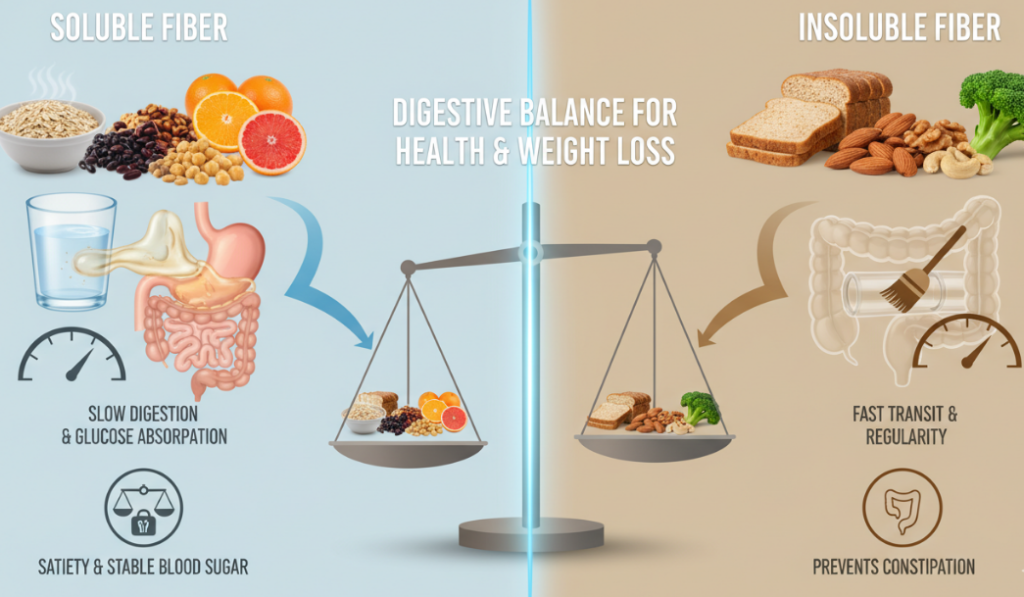
Their effects on the digestive system are completely different: one is responsible for “stabilizing” your weight by controlling hunger, and the other is responsible for maintaining “traffic order” in the intestines “.
Water-soluble fiber (commonly found in oats, beans, and citrus fruits) dissolves in water in the gut, a gel-like substance that slows digestion and glucose absorption. This process is crucial for weight management, because it can stabilize blood sugar levels and increase satiety, thereby effectively suppressing your desire for snacks.
On the other hand, non-water-soluble fibers (commonly found in whole grains and vegetable skins) do not dissolve in water. It’s more like adding a bit of “weight” to your gut, acting as a “broom” to speed up the passage of food and waste. This can effectively prevent constipation and ensure the regular operation of the digestive system.
If you want to achieve the desired fat loss and health status, I strongly recommend that you strike a strategic balance between water-soluble fiber to manage appetite and calorie absorption, and non-water-soluble fiber to maintain an efficient digestive system.
Soluble Vs. Insoluble Fiber: Quick Comparison Table
To help you make better grocery choices, here is a professional breakdown of how these two types of fiber function within your body.
| Feature | Soluble Fiber | Insoluble Fiber |
| Water Solubility | Dissolves in water to form a gel. | Does not dissolve; remains intact. |
| Main Function | Slows digestion and nutrient absorption. | Adds bulk and accelerates waste transit. |
| Weight Loss Benefit | Increases satiety and reduces calorie intake. | Helps you feel physically full without adding calories. |
| Key Health Metric | Lowers LDL cholesterol and stabilizes glucose. | Prevents constipation and promotes gut health. |
| Common Sources | Oats, peas, beans, apples, psyllium husk. | Whole wheat, wheat bran, nuts, cauliflower. |
Water-Soluble Fiber: The “Gel Mechanism” Of Appetite Control”
To understand the difference between the two, we need to look at how water-soluble fibers behave when they enter the body. As the name implies, this type of fiber is “water soluble”. When you consume foods such as oats or beans, fiber absorbs water from the digestive tract. This interaction produces a sticky, gel-like substance that mixes with the partially digested food. This “gel” is crucial because it physically slows the passage of food from the stomach to the intestines. This delayed gastric emptying effect directly changes the way the body processes energy and hunger.
Blood Glucose Stabilization And Weight Management
The gel formed by the water-soluble fiber not only slows down the flow of food, it also acts as a barrier that regulates the rate at which glucose enters the bloodstream:
- Slows glucose absorption: Without water-soluble fiber, simple carbohydrates can cause a rapid spike in blood sugar. The water-soluble fiber smoothes out these fluctuations, providing a steady release of energy rather than an instant shock.
- Increase satiety: As blood sugar remains stable and digestion slows down, your brain will continue to receive “full” signals. This is the so-called “satiety” mechanism.
- Suppress appetite: By preventing blood sugar from falling off a cliff after a spike, water-soluble fiber can help you quit the sudden urge to eat high-calorie snacks. This is a very powerful weapon in the weight loss process.
Insoluble Fiber: The “Broom” Of The Digestive System”
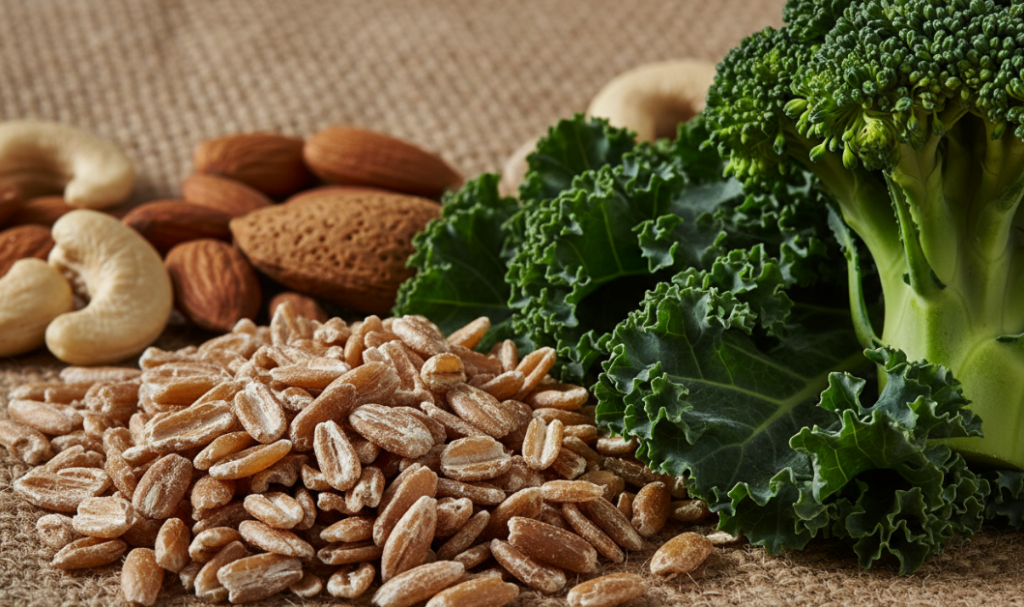
In contrast to water-soluble fibers, non-water-soluble fibers remain substantially intact throughout the digestion process. It is “water-insoluble”, which means that it neither dissolves nor gels, but maintains its structure throughout its passage through the digestive system. This fiber is found in large amounts in the tough husks of vegetables and the hulls (bran) of whole grains. Its function is more mechanical than chemical. Its main task is to add volume and mass to the feces.
Ensure Regularity And Prevent Constipation
When we discuss non-water-soluble fiber in depth, the focus is on its role as a “broom” in the intestine:
- Increased volume: By increasing stool volume, non-water-soluble fibers stimulate intestinal wall contraction.
- Accelerated passage: These contractions more effectively push waste through the gastrointestinal (GI) tract. While water-soluble fibers absorb nutrients by slowing down, non-water-soluble fibers remove waste by speeding up.
- Prevention of constipation: This fast and efficient transit time prevents waste products from staying in the colon for too long. This is the first line of defense against constipation and the key to establishing regular bowel habits.
To the forefront of nutrition
Soluble Fiber
Soluble fiber is a highly stable, indigestible dietary ingredient that promotes weight control by increasing satiety and reducing food intake. Versatile in application, it is widely used to enhance the nutritional profile and texture of foods, beverages, and health products.
Soluble Fiber
Prebiotic
A prebiotic functions as a proliferation factor that is selectively degraded and utilized by beneficial intestinal bacteria, such as Bifidobacteria. This process exerts a positive effect on overall human health, often accompanied by metabolic advantages such as low caloric impact and minimal blood sugar fluctuations due to their unique digestive stability.
Prebiotic
Vitamins
Vitamins are essential organic micronutrients, categorized into water-soluble and fat-soluble forms, that regulate critical physiological processes such as metabolism, immunity, and coagulation. Due to their sensitivity to light, heat, and moisture,
Vitamins
Achieing The Optimal Balance Of Health
To achieve optimal health and weight loss, your body needs a strategic fit for both. Some people only stare at the water-soluble fiber and think they can keep their mouths shut, but the lack of enough water-insoluble fiber leads to difficulty defecation. Conversely, if you only consume non-water-soluble fiber, although defecation is smooth, you may miss the calorie control advantages of blood sugar stability and satiety.
The most scientific approach is to consume a varied diet that naturally covers both sources of fiber. By combining the “feeding power” of water-soluble fibers with the “cleaning power” of non-water-soluble fibers, you can create a gut environment that supports both weight management and overall digestive health.
Author:Sarah Mitchell
“Hi, I’m a Certified Nutritionist specializing in gut health. I help clients master the strategic balance of fiber to achieve sustainable weight loss and optimal digestive efficiency.”
The prev: What Does Soluble Fiber DoThe next: Daily Soluble Fiber Intake
Related recommendations
-

Can Maltodextrin Be Organic
322Discover Organic Maltodextrin Benefits, Non-GMO Sources, And Standards For A True Clean Label Diet.
View details -
Galacto Oligosaccharide Syrup – Benefits And Applications
1528Learn About Galacto Oligosaccharides Syrup From Sgnutri, A Premium Prebiotic Sweetener Supplier For Clean‑Label Food And Beverage Applications.
View details -
Should I Take Prebiotics Or Probiotics
347Confused About Prebiotics VS. Probiotics? Learn Why A Balanced Diet Is Key And When To Use Supplements For Optimal Gut Health.
View details -
When Is The Best Time To Take Amino Acids?
732Learn The Best Time To Take Amino Acids (Bcaas/Eaas) For Muscle Growth And Sleep.
View details