 SGNUTRI


Search Product
Daily Soluble Fiber Intake
In the daily diet, adults should make sure that 5 to 10 grams of soluble fiber comes from 25 to 38 grams of total fiber intake per day. This is not just a number, it has a decisive effect on lowering cholesterol and managing blood sugar. Getting these fibers from oats, beans, pods, and fruits such as apples or pears is the simplest and most effective strategy for cardiovascular protection.
Daily Guidelines For Soluble Fiber Intake
Target intake: 5-10 grams of soluble fiber per day (included in the total fiber quota of 25-38 grams).
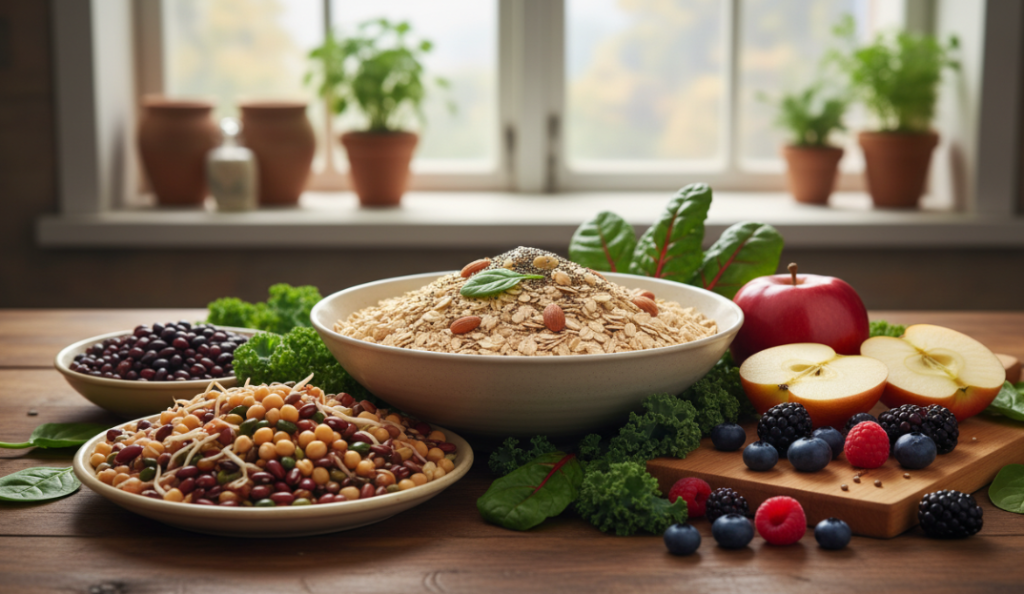
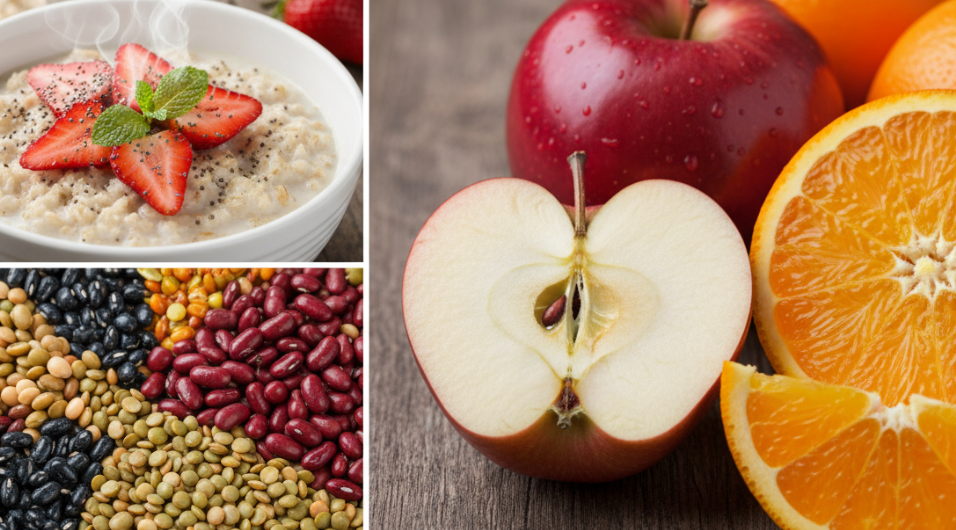
Best source: oats, oat bran, barley, all kinds of beans (black beans, kidney beans, etc.), peas, apples, citrus fruits, strawberries and carrots.
Health benefits: This fiber will form a gel-like substance when it meets water, which is the “behind-the-scenes hero” to lower cholesterol and improve blood sugar levels “.
Professional advice: when increasing the amount of action should be slow, at the same time must drink more water, otherwise the stomach will be too much.
Disassemble Your Target Intake
To truly optimize your soluble fiber intake, first understand its place in the overall diet. Although 5 to 10 grams may not seem like much, you should not look at it as an independent indicator. It is a “subset” of your daily total fiber target of 25 to 38 grams “. Many people eat enough total fiber, but in the wrong proportion. Total fiber is responsible for maintaining the gut’s basal peristalsis, and this 5-10 grams of soluble fiber is the “active ingredient” for metabolic health “. Prioritizing this particular type of fiber can give you a “drug”-like protective value from food, especially for heart health and blood sugar control.
To the forefront of nutrition
Soluble Fiber
Soluble fiber is a highly stable, indigestible dietary ingredient that promotes weight control by increasing satiety and reducing food intake. Versatile in application, it is widely used to enhance the nutritional profile and texture of foods, beverages, and health products.
Soluble Fiber
Prebiotic
A prebiotic functions as a proliferation factor that is selectively degraded and utilized by beneficial intestinal bacteria, such as Bifidobacteria. This process exerts a positive effect on overall human health, often accompanied by metabolic advantages such as low caloric impact and minimal blood sugar fluctuations due to their unique digestive stability.
Prebiotic
Vitamins
Vitamins are essential organic micronutrients, categorized into water-soluble and fat-soluble forms, that regulate critical physiological processes such as metabolism, immunity, and coagulation. Due to their sensitivity to light, heat, and moisture,
Vitamins
How Does It Affect Cholesterol And Blood Sugar
Why am I so stressed about the recommended amount of 5-10 grams? The secret lies in the way this fiber handles liquids. Unlike insoluble fiber, soluble fiber dissolves in water when it enters the intestine, forming a thick gel-like substance. This “gel” is the source of health benefits:
Lowering LDL cholesterol: This colloid acts like a magnet in the digestive system to attract cholesterol particles and carry them out of the body before they enter the blood circulation. If you can stick to 5-10 grams a day, the effect of reducing bad cholesterol (LDL) is usually very obvious.
Smooth blood sugar: This sticky texture will slow down the digestion process. This means that post-meal blood sugar does not rush like a roller coaster, which is essential for maintaining insulin sensitivity and metabolic health.
High-Quality Food Sources To Reach Your Goals
If you want to eat 10 grams easily, choosing the right food is the key. Not all plant foods have the same fiber structure, and you have to target the “big ones” of soluble fiber “:
Cereals: Oats and barley are real “energy houses”. Half a cup of cooked oatmeal for breakfast, and your progress bar is a big cut.
Beans: Beans are almost the highest density source. Whether it’s black beans, kidney beans or lentils, half a cup can provide a very substantial amount of soluble fiber.
Fruits and vegetables: Apples, oranges, strawberries, as well as carrots and spore kale, are excellent supplements.
In practice, if you eat oats for breakfast and add some beans to the salad for lunch, you can easily break the 5g bottom line.
Practical Advice For Safely Increasing Your Intake
Although it is a good thing to increase intake, how to increase it is very particular. First of all, water is absolutely essential. Because soluble fiber needs to absorb water to become the kind of beneficial colloid, if you don’t drink enough water, these fibers will get stuck in the intestines and make you uncomfortable.
Second, don’t be too hasty. If your usual diet is relatively fine, suddenly increased to more than 30 grams of total fiber, your stomach will have a high probability of flatulence and even pain. I suggest starting by adding 1 servings of high-fiber foods (such as an apple or 1 bowl of oats) a day to give the gut flora a little time to adapt.
Finally, remember the 2:1 ratio principle: when supplementing soluble fiber, don’t forget the insoluble fiber in whole grains and vegetables. This combination of intake is a true professional-level nutrition programme.
Author:Sarah Miller
Hi, I’m a Certified Nutritionist. I specialize in heart-healthy diets and digestive wellness. I hope to help you easily reach your daily soluble fiber intake through practical, delicious food choices that fit your lifestyle.
The prev: Difference Soluble And Insoluble FiberThe next: Best Source Of Soluble Fiber
Related recommendations
-

Difference Soluble And Insoluble Fiber
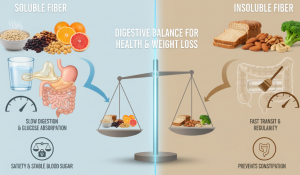
540Master The Difference Soluble And Insoluble Fiber Play In Your Gut. Soluble Controls Hunger; Insoluble Keeps You Regular.
View details -
Xylo Oligosaccharide Syrup (XOS Syrup): A Smart Sweetener
1463If you're in the food manufacturing game—whether it’s functional beverages, health snacks, or dairy alternatives—Xylo Oligosaccharide Syrup (XOS Syrup)&n...
View details -
What’s The Difference Between Dietary Fiber And Soluble Fiber
475Learn The Difference Between Dietary Fiber And Soluble Fiber, How They Work, And Their Unique Health Benefits.
View details -
Natural Isomalt Review — A Sweetener That Actually Gets the Job Done
1292Learn Whether Isomalt Is Natural, And Discover Its Color, Texture, And Functional Use As A Low-Calorie Sugar Substitute.
View details