 SGNUTRI


Search Product
What’s The Difference Between Dietary Fiber And Soluble Fiber
Dietary fiber covers all plant-based carbohydrates that your body cannot digest or absorb. Simply put, it is the sum of all the fiber matter in plant foods. Soluble fiber is a specific subcategory of dietary fiber.The core difference between the two lies in the physical properties and the way they “deal” with the digestive system: dietary fiber contains all indigestible plant matter; while soluble fiber is characterized by its ability to dissolve in water and form a jelly in the intestine. Gel-like substance. This gel is the key to health-it slows the absorption of sugar, stabilizes blood sugar, and binds cholesterol and excrets it from the body, which is very good for heart health. In short: all soluble fiber is dietary fiber, but dietary fiber also contains insoluble fiber (it is insoluble in water, mainly acts as a “broom”, softening stool and promoting intestinal peristalsis).
Key Differences At A Glance: Dietary Fiber Vs. Soluble Fiber
| Feature | Dietary Fiber (The Category) | Soluble Fiber (The Sub-type) |
| Definition | The sum of all indigestible plant matter. | A specific fiber that dissolves in water. |
| Physical Form | Includes both soluble and insoluble structures. | Creates a thick, gel-like substance in the gut. |
| Primary Function | Overall digestive health and waste removal. | Stabilizing blood sugar and lowering cholesterol. |
| Inclusion | Includes soluble fiber, insoluble fiber, and lignin. | Is a subset contained within total dietary fiber. |
Understanding This Hierarchical Relationship
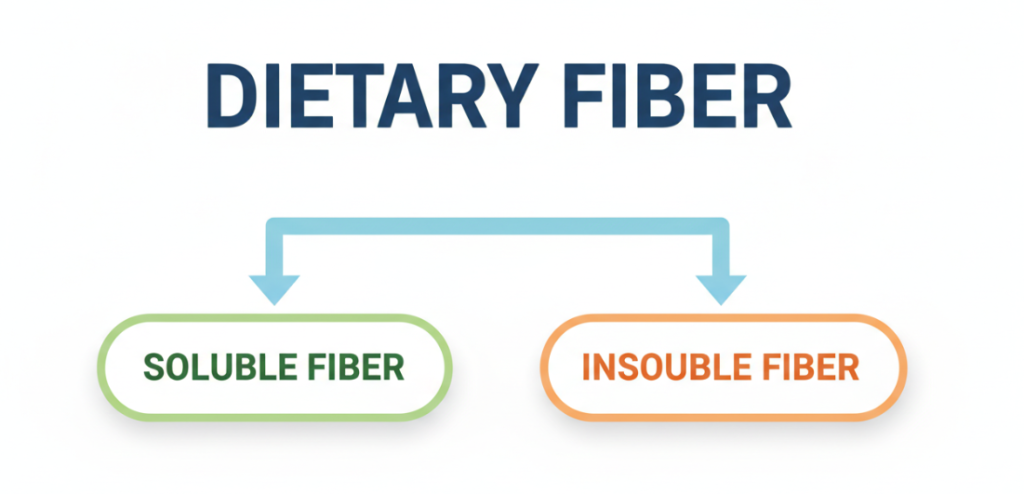
To understand the difference between the two, we must first understand the hierarchy of nutrition. Dietary fiber is not a single substance, it is a huge category of carbohydrates. Those parts of your intake from fruits, vegetables, whole grains and legumes that cannot be broken down by digestive enzymes fall into this category. This is completely different from fat, protein or regular carbohydrates. The latter is absorbed into the blood, and the dietary fiber passes through your stomach, small intestine and large intestine essentially “intact. Under this “big umbrella” concept, we subdivide the fibers into different types according to their solubility in water.
To the forefront of nutrition
Soluble Fiber
Soluble fiber is a highly stable, indigestible dietary ingredient that promotes weight control by increasing satiety and reducing food intake. Versatile in application, it is widely used to enhance the nutritional profile and texture of foods, beverages, and health products.
Soluble Fiber
Prebiotic
A prebiotic functions as a proliferation factor that is selectively degraded and utilized by beneficial intestinal bacteria, such as Bifidobacteria. This process exerts a positive effect on overall human health, often accompanied by metabolic advantages such as low caloric impact and minimal blood sugar fluctuations due to their unique digestive stability.
Prebiotic
Vitamins
Vitamins are essential organic micronutrients, categorized into water-soluble and fat-soluble forms, that regulate critical physiological processes such as metabolism, immunity, and coagulation. Due to their sensitivity to light, heat, and moisture,
Vitamins
What Is Soluble Fiber? Functional Subcategories
Soluble fiber is the component of dietary fiber that is soluble in water. When it enters your digestive tract, 1 very wonderful physical changes occur:
- Gel formation: Upon encountering water, it becomes a viscous, gelatinous substance.
- Slow digestion: This gel reduces the rate at which food leaves the stomach and travels through the intestines.
- Metabolic benefits: By slowing digestion, it prevents blood sugar from swings. In addition, it can also bind cholesterol-containing bile acids and carry them out of the body as waste products, thereby effectively reducing the level of cold low-density lipoprotein (LDL, the “bad” cholesterol).
Oats, peas, beans, apples, citrus fruits and carrots are excellent sources of soluble fiber.
The Other Side Of The Classification: Insoluble Fiber
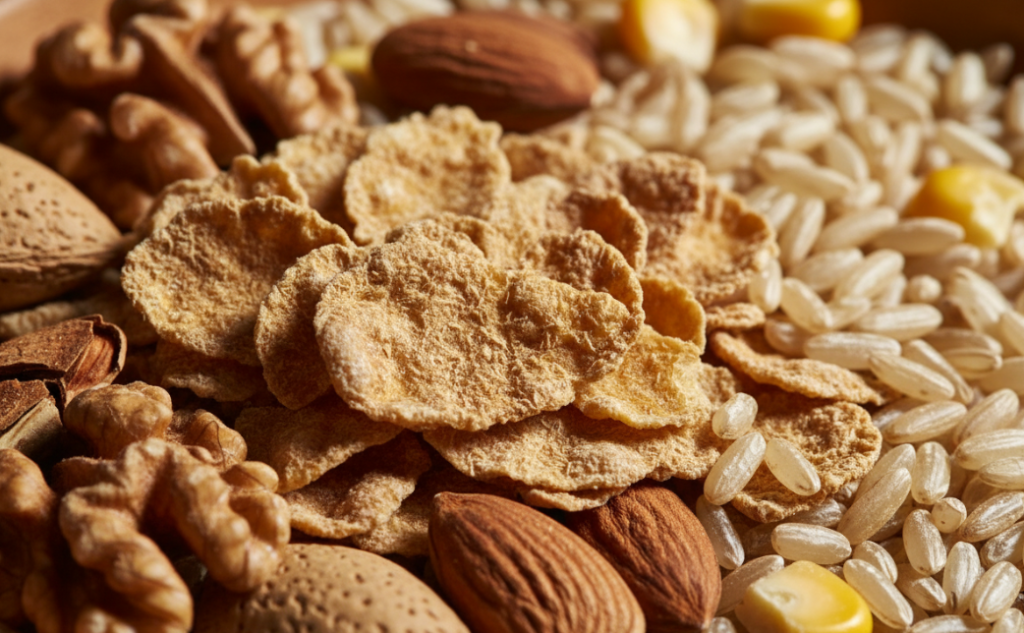
In order for you to see the full picture of dietary fiber, we must mention another important member of it: insoluble fiber. If soluble fiber is “gel”, then insoluble fiber is “coarse grain”. It is completely insoluble in water and maintains a relatively primitive mass in the intestine. Under the “big umbrella” of dietary fiber, its main responsibilities are:
- Increased stool volume.
- Accelerates the passage of food and waste through the intestine.
- Prevent constipation and maintain regular defecation.
Author: Sarah Mitchell
“As a clinical nutritionist specializing in digestive health, I am passionate about demystifying complex nutritional concepts. I wrote this guide to help you understand the relationship between total dietary fiber and its soluble components, empowering you to make informed dietary choices for better heart and gut health.”
The prev: Best Source Of Soluble FiberThe next: Is Soluble Fiber Better Than Insoluble Fiber
Related recommendations
-

Is Polydextrose Safe
344Explore Polydextrose Safety, Metabolic Benefits, And Gut Tolerance. Learn Why FDA/EFSA Classify It As GRAS.
View details -
Is Maltitol Syrup Gluten Free? Everything You Should Know
1057Find out if maltitol syrup is gluten-free, its uses as a sweetener, and whether it’s safe for people with gluten sensitivity.
View details -
Does Low Vitamin D Make You Dizzy
594Does Low Vitamin D Make You Dizzy? Yes. It Affects Inner Ear Crystals (Bppv) And Balance. Learn Symptoms And Treatments Here.
View details -
Does Resistant Dextrin Raise Blood Sugar
455No, Resistant Dextrin Does Not Raise Blood Sugar. It’s A Non-Digestible Fiber With Zero Gi, Safe For Keto And Diabetics.
View details