
 SGNUTRI


Search Product
Best Source Of Soluble Fiber
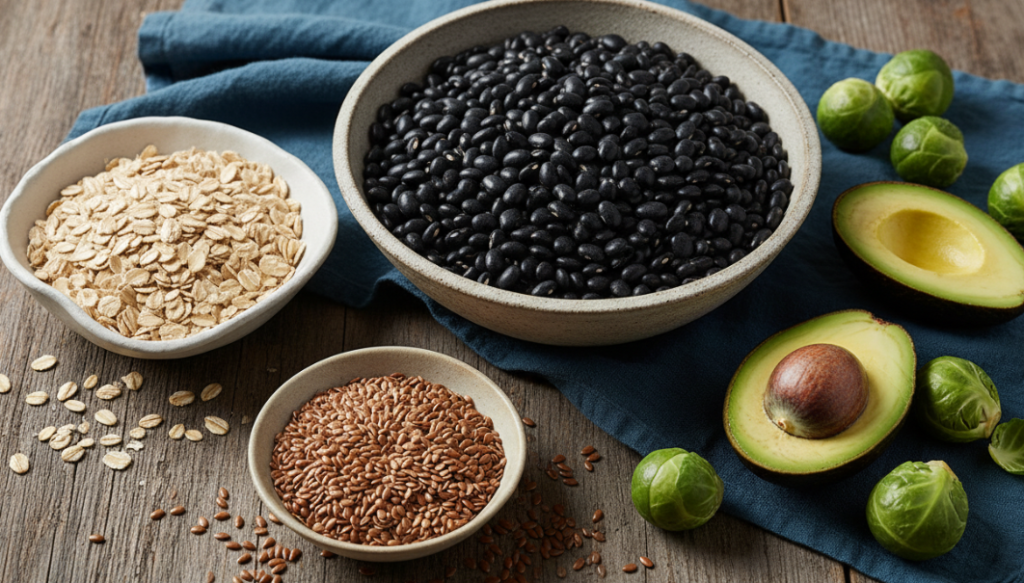
To improve metabolic health, focus on these foods first: beans (especially black beans and navy beans), oats, avocados, Brussels sprouts and flax seeds. They are the top channel for obtaining soluble dietary fiber. Many people can’t tell the difference between soluble and insoluble fiber. In fact, the most intuitive point is: soluble fiber in the digestive tract encountered water will dissolve, into a kind of sticky gelatinous material. This “gel” is like a “sponge” that wanders in the body. It can accurately adsorb LDL cholesterol (the so-called bad cholesterol), slow down the absorption of carbohydrates, and prevent blood sugar from appearing. Dangerously violent fluctuations. To maintain a balanced heart health and gut flora, I recommend that you always include 5-10 grams of soluble fiber in your daily total fiber target of 25-38 grams.
Logic Of Soluble Fiber: The “Sponge Effect”
The core property of soluble fiber is its hydrophilicity. When you eat oats or beans, these fibers absorb fluid from the gastrointestinal tract. As it gradually hydrates, it transforms into a thick, gel-like gel. This is the key to metabolic benefit. Think of this gel as your body’s cleansing sponge, which, as it travels through the digestive tract, physically traps substances that would otherwise be absorbed too quickly or in excess by the body. By binding to bile acids and cholesterol particles, the fibrous “sponge” can take LDL cholesterol out of the body before it clogs the arteries. According to my clinical observations, this mechanism has a very direct effect on improving heart health.
5 Best Sources Of Soluble Fiber
Based on nutrient density and the ability to form an “effective gel”, I put the following five foods at the top of the recommended list:
1. Beans (black beans and navy beans)
Beans are definitely the “carry-on” of the fiber industry “. Black beans and navy beans, in particular, contain high concentrations of pectin and gums (these are high-quality soluble fibers). Although the carbohydrate content of beans is not low, the soluble fiber in them plays a balancing role: it can slow down the digestion rate of the beans themselves, ensuring that you get continuous energy instead of a blood sugar collapse after eating. A cup of beans in a soup or salad is the easiest way to reach the standard.
To the forefront of nutrition
Soluble Fiber
Soluble fiber is a highly stable, indigestible dietary ingredient that promotes weight control by increasing satiety and reducing food intake. Versatile in application, it is widely used to enhance the nutritional profile and texture of foods, beverages, and health products.
Soluble Fiber
Prebiotic
A prebiotic functions as a proliferation factor that is selectively degraded and utilized by beneficial intestinal bacteria, such as Bifidobacteria. This process exerts a positive effect on overall human health, often accompanied by metabolic advantages such as low caloric impact and minimal blood sugar fluctuations due to their unique digestive stability.
Prebiotic
Vitamins
Vitamins are essential organic micronutrients, categorized into water-soluble and fat-soluble forms, that regulate critical physiological processes such as metabolism, immunity, and coagulation. Due to their sensitivity to light, heat, and moisture,
Vitamins
2. Oats (rich in beta-glucan)
Oats are often recognized as the best choice for breakfast, which is completely tenable. It is rich in special soluble fiber called beta-glucan, which is well studied in the field of heart health. The efficiency of β-glucan in forming viscous gels is extremely high. Getting up early and drinking a bowl of oatmeal is essentially managing your cholesterol in a very scientific way.
3. Aocado
Unlike most high-sugar fruits, avocados follow the “healthy fat fiber” route. Its kind of creamy texture, in fact, to a large extent from its fiber matrix. Avocado is a “double dimension reduction blow” to metabolic health: soluble fiber to stabilize blood sugar, monounsaturated fat to protect the heart.
4. Brussels sprouts
If you prefer vegetables, Brussels sprouts are the first choice. The soluble fiber in this cruciferous vegetable is the “ration” of intestinal probiotics “. When these bacteria ferment the fiber, they produce short-chain fatty acids, which can further optimize metabolism and reduce the level of inflammation in the body.
5. Flaxseed
Flaxseed is the 1 extremely concentrated source of soluble fiber (mainly mucous fiber). You wet the flaxseed, the naked eye can see the formation of the “apron” around the seed “. This mucus fiber is surprisingly efficient at delaying digestion and is very convenient to add to milkshakes, yogurt or baked goods without ruining the original taste of the food.
How To Optimize Your Daily Intake
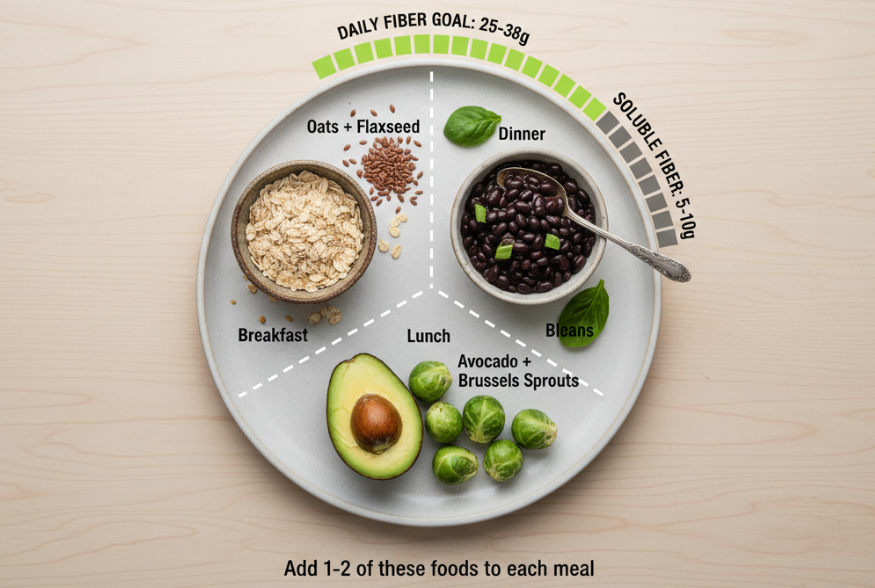
Finding the right food is only the first step; the second step is consistency. Remember these two key values:
- Soluble fiber target: 5-10 grams per day.
- Total fiber target: 25-38 grams per day.
There is no need to replace all coarse grains (insoluble fiber) with soluble ones, which is unrealistic and unnecessary. You just need to make sure you have 1 on the above list at every meal-whether it’s black beans, oats, avocados or flaxseed. As long as you can maintain this intake, you can maximize the “sponge effect”, in the adsorption of LDL cholesterol at the same time prevent blood sugar spike, and ultimately put the heart and intestines in the ideal balance.
Author: Elena Ross
“As a metabolic health specialist and nutrition researcher, I focus on how functional nutrients like soluble fiber impact heart health and gut microbiome balance. I am dedicated to helping you optimize your diet through science-backed food choices like legumes and oats.”
Related recommendations
-

Waxy Maize Vs Maltodextrin: Which Builds More Muscle?
291Waxy Maize Or Maltodextrin? Find Out Which Carb Boosts Recovery Faster And Avoids Bloating.
View details -

What Has More Potential Energy Water Or Glucose
214Discover The Key Molecular Reasons Why Glucose Stores Far More Chemical Energy Than Water, From Bond Complexity To Oxidation.
View details -
Maltodextrin AlternativesNatural Swaps for Healthier Eating
444Professional Guide To Natural Alternative To Maltodextrin. Find Healthy Swaps For Blood Sugar And Weight Management.
View details -

Is Erythritol And Stevia The Same
187Is Erythritol And Stevia The Same? No. Discover The Key Differences In Origin, Sweetness Potency, And Baking Usage Here.
View details