SGNUTRI


Search Product
Can Maltodextrin Be Organic
Yes, maltodextrin can absolutely be organic, and for a health-conscious consumer, the distinction is crucial.
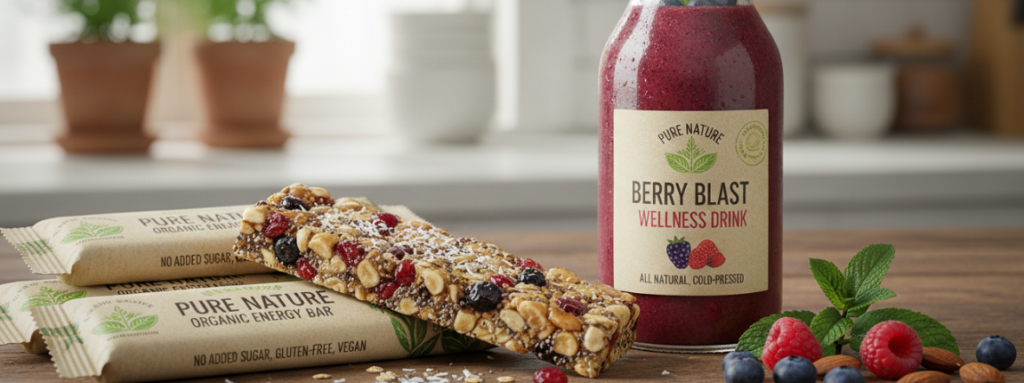
Although most of the common maltodextrins on the market come from genetically modified corn, and synthetic acids or chemical catalysts are used in the processing process, “certified organic maltodextrins” must be hard-hitting standards. This means that it must be made 100% from non-GMO crops-such as organic cassava, organic corn or rice-and must be grown without synthetic pesticides, herbicides or sewage sludge. The extraction process of the organic version is obviously more “civilized”: it does not use those strong chemical solvents, but uses natural enzymatic hydrolysis technology to convert plant starch into functional powder. When you see “organic maltodextrin” on the label, it is not only a thickener or carrier, but also means that it is free of chemical residues and bioengineered DNA.
Conventional Vs Organic Sources
The fundamental difference between organic maltodextrin and ordinary goods actually starts from the soil. Ordinary maltodextrin is a regular customer of the food industry, but it is often a by-product of large-scale industrial agriculture that is largely inextricably linked to genetic modification. Maltodextrin, which can be named “organic”, must be derived from 100 percent non-GMO crops.
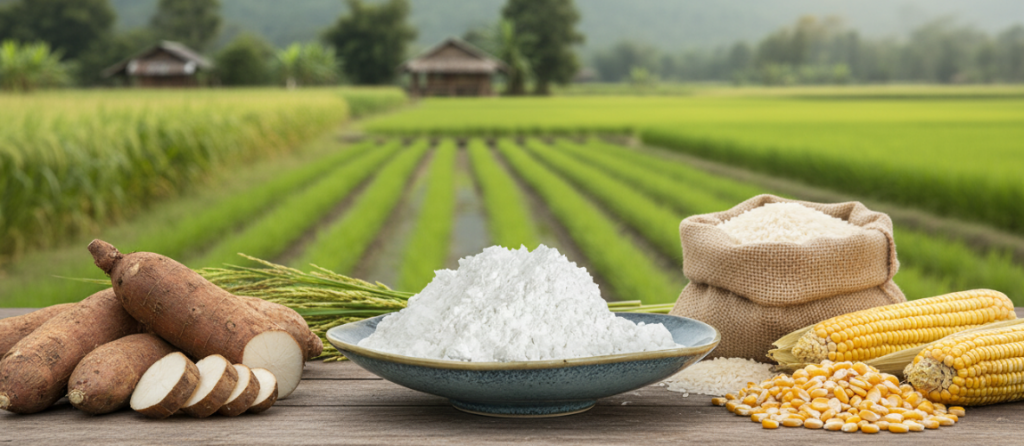
Common sources of organic maltodextrin include:
- Organic cassava: Because of its neutral taste and natural non-GMO qualities.
- Organic corn: must be grown under strict organic farming protocols.
- Organic rice: often found in low-sensitivity or specific health formulas.
By choosing organic, manufacturers avoid synthetic fertilizers, banned herbicides or those with neurotoxic pesticides at the source, ensuring the purity of the raw material.
Natural Enzymatic Hydrolysis
The production of ordinary maltodextrin often uses some “violent” means, including the use of synthetic acids or chemical catalysts to forcibly decompose plant starch.
Certified organic maltodextrins use a much milder method: natural enzymatic hydrolysis. This process mimics natural biological reactions, replacing powerful chemical solvents with natural enzymes. This treatment method can not only better maintain the integrity of the ingredients, but most importantly, it can ensure that there is no chemical residue in the finished product. This kind of “gentle treatment” of raw materials is actually the premium of organic products.
Compliance With Standards
To the forefront of nutrition
Soluble Fiber
Soluble fiber is a highly stable, indigestible dietary ingredient that promotes weight control by increasing satiety and reducing food intake. Versatile in application, it is widely used to enhance the nutritional profile and texture of foods, beverages, and health products.
Soluble Fiber
Prebiotic
A prebiotic functions as a proliferation factor that is selectively degraded and utilized by beneficial intestinal bacteria, such as Bifidobacteria. This process exerts a positive effect on overall human health, often accompanied by metabolic advantages such as low caloric impact and minimal blood sugar fluctuations due to their unique digestive stability.
Prebiotic
Vitamins
Vitamins are essential organic micronutrients, categorized into water-soluble and fat-soluble forms, that regulate critical physiological processes such as metabolism, immunity, and coagulation. Due to their sensitivity to light, heat, and moisture,
Vitamins
The Local National Organic Program standards act as a safety net, providing consumers with several core guarantees:
- No bioengineered DNA: Closely monitored to ensure no genetically modified ingredients.
- Prohibit the use of prohibited substances: The land on which the crops are grown must not have been sprayed with synthetic pesticides or used sewage sludge for at least 3 years.
- Rigorous ledger audits: From the farm to the spray drying plant, every step along the supply chain is audited to prevent organic and common ingredients from mixing together.
Why “Organic Maltodextrins” Are Essential For Clean Labels
In the modern food industry, “clean label” is not just a marketing gimmick, it represents transparency. Even though maltodextrin is usually only added as a small amount of excipients, carriers or thickeners, its “origin” is still very important for consumers who pursue health.
- Residue-free: The natural enzymatic process combined with organic farming means you have a very low risk of eating traces of synthetic chemicals.
- Transparency: For those who shy away from “bioengineering”, this can provide a real sense of peace of mind.
- The function is not discounted: it can provide the same taste improvement, shelf life stability or desiccant function.
Author: Marcus Mike
“Hi, I’m a food formulation specialist with years of experience in clean-label ingredient sourcing, I am passionate about bridging the gap between industrial processing and natural nutrition. I’ve spent much of my career analyzing how small additives—like organic maltodextrin—can make a massive difference in product transparency and consumer trust. “
The prev: Can I Substitute Erythritol For Sugar
Related recommendations
-

What Is Dextrose Anhydrous Used For
356Discover The 3 Main Uses Of Dextrose Anhydrous: Medical IVs, Sports Recovery, And Food Manufacturing.
View details -
Is Maltitol Syrup Gluten Free? Everything You Should Know
747Find out if maltitol syrup is gluten-free, its uses as a sweetener, and whether it’s safe for people with gluten sensitivity.
View details -
Can Lack Of Vitamin B12 Cause Weight Gain
349Does B12 Deficiency Lead To Weight Gain? Explore How Low B12 Impacts Metabolism, Insulin Resistance, And Appetite.
View details -
Vitamins For Children’s Hair
314Fix Hair Issues With The Right Vitamins For Children’s Hair. Learn About Biotin, Iron, Zinc, And Safe Dosing.
View details