SGNUTRI


Produkt suchen
Can Maltodextrin Be Organic
Yes, maltodextrin can absolutely be organic, and for a health-conscious consumer, the distinction is crucial.
Although most of the common maltodextrins on the market come from genetically modified corn, and synthetic acids or chemical catalysts are used in the processing process, “certified organic maltodextrins” must be hard-hitting standards. This means that it must be made 100% from non-GMO crops-such as organic cassava, organic corn or rice-and must be grown without synthetic pesticides, herbicides or sewage sludge. The extraction process of the organic version is obviously more “civilized”: it does not use those strong chemical solvents, but uses natural enzymatic hydrolysis technology to convert plant starch into functional powder. When you see “organic maltodextrin” on the label, it is not only a thickener or carrier, but also means that it is free of chemical residues and bioengineered DNA.
Conventional Vs Organic Sources
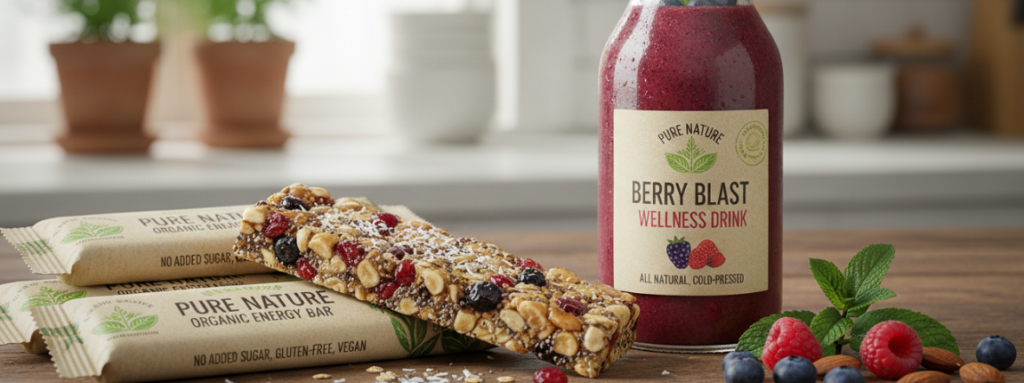
The fundamental difference between organic maltodextrin and ordinary goods actually starts from the soil. Ordinary maltodextrin is a regular customer of the food industry, but it is often a by-product of large-scale industrial agriculture that is largely inextricably linked to genetic modification. Maltodextrin, which can be named “organic”, must be derived from 100 percent non-GMO crops.
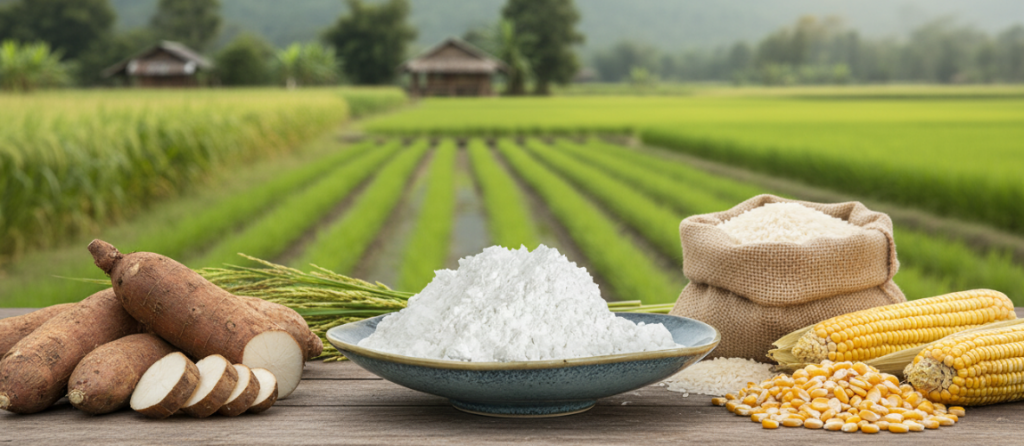
Common sources of organic maltodextrin include:
- Organic cassava: Because of its neutral taste and natural non-GMO qualities.
- Organic corn: must be grown under strict organic farming protocols.
- Organic rice: often found in low-sensitivity or specific health formulas.
By choosing organic, manufacturers avoid synthetic fertilizers, banned herbicides or those with neurotoxic pesticides at the source, ensuring the purity of the raw material.
Natural Enzymatic Hydrolysis
The production of ordinary maltodextrin often uses some “violent” means, including the use of synthetic acids or chemical catalysts to forcibly decompose plant starch.
Certified organic maltodextrins use a much milder method: natural enzymatic hydrolysis. This process mimics natural biological reactions, replacing powerful chemical solvents with natural enzymes. This treatment method can not only better maintain the integrity of the ingredients, but most importantly, it can ensure that there is no chemical residue in the finished product. This kind of “gentle treatment” of raw materials is actually the premium of organic products.
Compliance With Standards
An der Spitze der Ernährung
Lösliche Ballaststoffe
Lösliche Ballaststoffe sind hochstabile, unverdauliche Nahrungsbestandteile, die die Gewichtskontrolle fördern, indem sie das Sättigungsgefühl steigern und die Nahrungsaufnahme reduzieren. Sie sind vielseitig einsetzbar und werden häufig verwendet, um das Nährwertprofil und die Textur von Lebensmitteln, Getränken und Gesundheitsprodukten zu verbessern.
Lösliche Ballaststoffe
Präbiotisch
Ein Präbiotikum fungiert als Proliferationsfaktor, der selektiv von nützlichen Darmbakterien abgebaut und verwertet wird, wie z. B. Bifidobakterien. Dieser Prozess wirkt sich positiv auf die allgemeine Gesundheit des Menschen aus und geht häufig mit metabolischen Vorteilen einher, wie z. B. einer geringen Kalorienbelastung und minimalen Blutzuckerschwankungen aufgrund ihrer einzigartigen Verdauungsstabilität.
Präbiotisch
Vitamine
Vitamine sind essenzielle organische Mikronährstoffe, die in wasserlösliche und fettlösliche Formen unterteilt werden und wichtige physiologische Prozesse wie Stoffwechsel, Immunität und Blutgerinnung regulieren. Aufgrund ihrer Empfindlichkeit gegenüber Licht, Wärme und Feuchtigkeit,
Vitamine
The Local National Organic Program standards act as a safety net, providing consumers with several core guarantees:
- No bioengineered DNA: Closely monitored to ensure no genetically modified ingredients.
- Prohibit the use of prohibited substances: The land on which the crops are grown must not have been sprayed with synthetic pesticides or used sewage sludge for at least 3 years.
- Rigorous ledger audits: From the farm to the spray drying plant, every step along the supply chain is audited to prevent organic and common ingredients from mixing together.
Why “Organic Maltodextrins” Are Essential For Clean Labels
In the modern food industry, “clean label” is not just a marketing gimmick, it represents transparency. Even though maltodextrin is usually only added as a small amount of excipients, carriers or thickeners, its “origin” is still very important for consumers who pursue health.
- Residue-free: The natural enzymatic process combined with organic farming means you have a very low risk of eating traces of synthetic chemicals.
- Transparency: For those who shy away from “bioengineering”, this can provide a real sense of peace of mind.
- The function is not discounted: it can provide the same taste improvement, shelf life stability or desiccant function.
Author: Marcus Mike
“Hi, I’m a food formulation specialist with years of experience in clean-label ingredient sourcing, I am passionate about bridging the gap between industrial processing and natural nutrition. I’ve spent much of my career analyzing how small additives—like organic maltodextrin—can make a massive difference in product transparency and consumer trust. “
Die vorl: Can I Substitute Erythritol For Sugar
Verwandte Empfehlungen
-

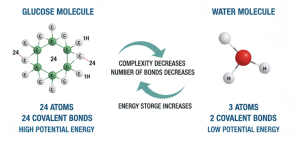
Was hat mehr potenzielle Energie - Wasser oder Glukose?
289Entdecken Sie die wichtigsten molekularen Gründe, warum Glukose weit mehr chemische Energie speichert als Wasser, von der Bindungskomplexität bis zur Oxidation.
Details anzeigen -
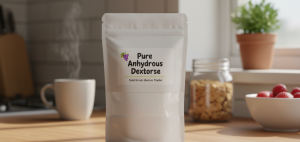
Ist Dextrose wasserfreier Zucker
234Ja, Dextrose wasserfrei ist 100% reiner Zucker mit einem Gi von 100. Erfahren Sie seine Auswirkungen auf Insulin, Diabetiker, und die Keto-Diät.
Details anzeigen -
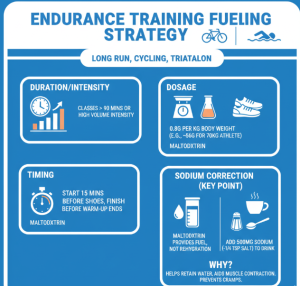
Maltodextrin vor dem Training Dosierung & Zeitplan
436Sollten Sie Maltodextrin vor dem Training verwenden? Entdecken Sie die genaue Dosierung und das Timing, um die Energie zu steigern und den Zuckerabsturz zu vermeiden.
Details anzeigen -
Wann ist der beste Zeitpunkt für die Einnahme von Aminosäuren?
370Lernen Sie die beste Zeit für die Einnahme von Aminosäuren (Bcaas/Eaas) für Muskelwachstum und Schlaf.
Details anzeigen