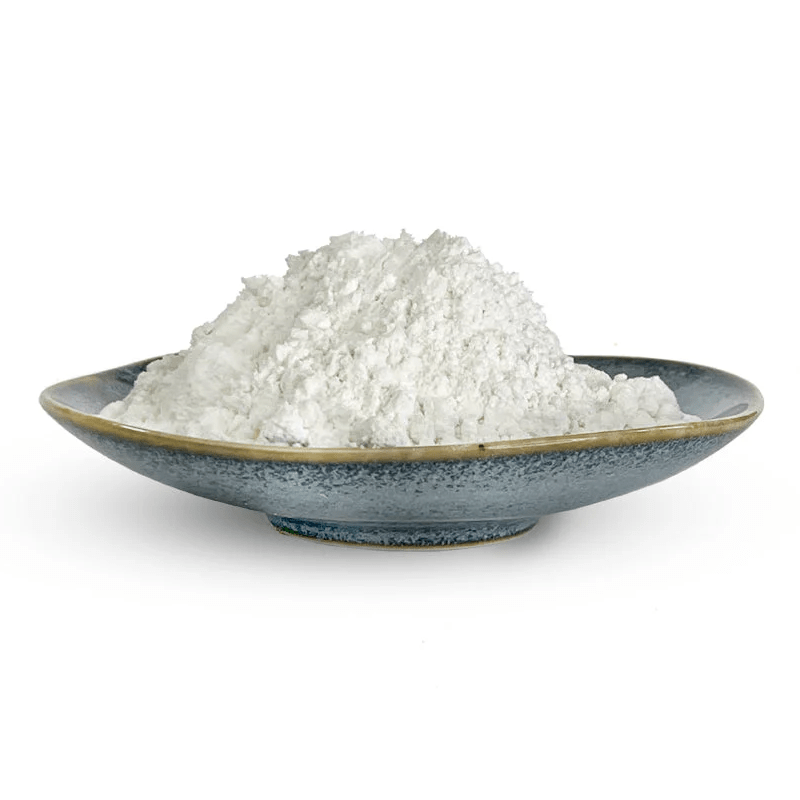
powder maltodextrin

DE 18–20 Food Ingredient

Evaluate Sgnutri Maltodextrin DE 18–20 for food and beverage formulations that need soluble carbohydrate solids, mild sweetness, and carrier performance. Review how the grade behaves in specific applications, check the published specification, and request the documents or sample needed for qualification.

When DE 18–20 Is the Right Starting Grade

Maltodextrin is a mixture of glucose-based chains produced by the controlled partial hydrolysis of food starch. Dextrose equivalent, or DE, indicates the extent of hydrolysis: a higher DE generally means shorter average chains.

Sgnutri’s published grade is DE 18–20. Compared with a DE 10–15 maltodextrin, a DE 18–20 grade generally dissolves more readily, produces less viscosity at equal solids, and contributes slightly more sweetness. It also tends to absorb more moisture and brown more readily during heating.

DE 18–20 is a useful starting point when a formula needs soluble solids or carrier mass without as much body as a lower-DE grade would typically create. A lower-DE grade may suit products that need more viscosity and less moisture pickup. The final choice should follow the dominant product goal: dissolution, body, sweetness, heat response, or dry-storage behavior.

What DE 18–20 Can Do in Food Formulations

Instant beverages and nutrition powders

Maltodextrin adds carbohydrate solids and gives flavors, vitamins, minerals, or high-intensity sweeteners more carrier mass for even distribution. A DE 18–20 grade can support quick dissolution while keeping the drink less viscous than a lower-DE maltodextrin at comparable solids. Its greater moisture affinity makes package barrier performance and caking control especially relevant in humid distribution.

Dairy products and desserts

Maltodextrin can increase solids and add light body without introducing strong sweetness. In dairy drinks, cultured products, and desserts, DE 18–20 can help build solids while leaving more of the viscosity target to proteins, starches, or gums. Heat treatment and the surrounding protein, fat, mineral, and stabilizer system determine the final texture.

Bakery and confectionery

Maltodextrin contributes bulk and distributes other dry ingredients through doughs, batters, fillings, and confectionery mixes. The higher DE range can increase browning during heating and shift moisture movement during storage, which may change color, flavor, softness, or stickiness. These effects make DE 18–20 useful when they support the product target and limiting when a pale color or very dry surface is required.

Flavors, seasonings, and spray-dried systems

As a carrier, maltodextrin converts a small amount of flavor, color, extract, or other active into a larger powder mass that is easier to meter and distribute. In spray drying, it contributes to the carbohydrate matrix around the active material. DE 18–20 can reduce feed viscosity and support reconstitution, while its moisture affinity can increase sticking or storage sensitivity. Carrier ratio, emulsifier, feed solids, and drying conditions determine powder recovery and flavor retention.

Sgnutri Maltodextrin DE 18–20

The published specification cites GB/T 20882.6.

White maltodextrin powder displayed in a shallow pale blue-gray dish

Maltodextrin DE 18–20

A white powder for food and beverage development where a high-DE maltodextrin may provide the required balance of solubility, carbohydrate solids, mild sweetness, and carrier performance.

  • AppearanceWhite, with no visible impurities
  • DE value18–20
  • Moisture≤6%
  • Solubility≥98%
  • pH4.0–7.0
  • Iodine testNo blue color change
  • Sulfated ash<0.5%
  • Total bacteria≤3,000/g
  • E. coliNegative per 100 g

Verify the Effects That Matter in the Finished Product

Set the trial around two or three results that decide whether the formula succeeds. An instant powder may prioritize dissolution time, caking, and flavor uniformity. A dairy or dessert formula may prioritize solids, viscosity, and heat stability. A baked or confectionery product may prioritize color, texture, and moisture movement through package life.

Compare a control with a small range of DE 18–20 levels under the intended mixing and thermal process. Check the product again after storage because fresh-sample dissolution or texture does not reveal humidity-driven caking, color development, or package-life changes.

For spray-dried flavors or oils, keep the active material and emulsifying system constant while comparing carrier levels. Feed viscosity, powder recovery, flavor retention, surface oil, and reconstitution show whether the grade performs the required carrier job.

Discuss a DE 18–20 Trial

Confirm the Grade, Lot, and Market Fit

Use the product specification to select the grade and the lot certificate of analysis to accept a shipment. For DE 18–20, the central checks are the reported DE, moisture, solubility, pH, microbiological results, and any additional limits required by the finished product. Request separate lead and arsenic limits in the current specification; the public product summary combines Pb and As in one line without defining whether the value applies to each element or to a combined result.

Regular maltodextrin is a digestible carbohydrate and is different from resistant maltodextrin or resistant dextrin. In the United States, 21 CFR 184.1444 describes maltodextrin as having a DE below 20. Because this product is labeled DE 18–20, obtain the applicable U.S.-market specification and confirm that the delivered lot supports the intended regulatory identity before relying on that citation.

Starch source, allergen status, organic or Non-GMO status, and Kosher or Halal certification are product-specific. Include the claims and documents required for the destination market when requesting a sample or quote.

Tell Us About Your DE 18–20 Project

Share the application, trial or order quantity, destination, and target delivery date. Add your required starch source, package format, specifications, or certifications so the Sgnutri team can respond with the relevant product documents, sample terms, lead time, and quotation basis.

  • Phone: +86-531-69959201
  • Email: [email protected]
  • WhatsApp: +86-186-53457231
  • Address: No 4567, Xinluo Street, Lixia District, Jinan City, Shandong Province. P.R. China

We will use these details to prepare a product and quotation response for your request.