 SGNUTRI


Search Product

If you have any questions or need service during the purchase process, please contact us directly by clicking here.
— SAIGAO —
Product details
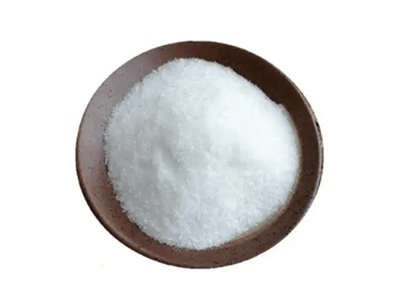
Containing microbial cells (scientifically known as mycetome), it is also known as microbial protein or single-cell protein. Based on the raw materials used, it can be categorized as petroleum protein, methanol protein, and methane protein; and based on the type of bacterial strain, it can be divided into bacterial protein and fungal protein. The term was officially established at the First Global Single-Cell Protein Conference in 1967. Producing strains include Aspergillus niger and yeast. Their microbial proteins are produced through microbial metabolism of organic nitrogen and are used in bio-fermented feed. Improving strain performance relies on strain selection and genetic engineering techniques. For example, fermented soybean meal, rich in small peptides, has become a hot topic in the industry. Probiotics such as lactic acid bacteria and yeast in the microbial cell composition can maintain intestinal microbial homeostasis in animals.
Single-cell protein
Based on the raw materials used, it can be categorized as petroleum protein, methanol protein, and methane protein; and based on the type of producing bacteria, it can be further categorized as bacterial protein and fungal protein. At the First World Conference on Single-Cell Proteins in 1967, microbial proteins were collectively referred to as single-cell proteins.
Advantages
Single-cell proteins have the following advantages: First, they have high production efficiency, thousands of times higher than that of plants and animals. This is primarily due to the rapid growth and reproduction rate of microorganisms. Second, they can be sourced from a wide range of sources, generally including the following: ① Agricultural waste and wastewater, such as straw, bagasse, beet pulp, sawdust, and other cellulose-containing waste materials, as well as wastewater from agricultural and forestry product processing; ② Industrial waste and wastewater, such as sugar-containing organic wastewater and sulfite pulp wastewater from the food and fermentation industries; ③ Petroleum, natural gas, and related products, such as crude oil, diesel, methane, and ethanol; and ④ Waste gases such as H₂ and CO₂. Third, they can be produced on an industrial scale, requiring minimal labor and not restricted by region, season, or climate, resulting in high yields and excellent quality. Production process The production process of single-cell protein is also relatively simple: after the culture medium is prepared and sterilized, it is placed in a fermentation tank with the strains. If the fermentation conditions are controlled, the strains will multiply rapidly. After fermentation, the strains are collected by centrifugation, precipitation, etc., and finally dried to produce the finished single-cell protein product [1]. Nutritional characteristics Single-cell protein is a type of condensed protein product, containing 50% to 85% crude protein, with a complete amino acid composition and high utilization rate. It also contains vitamins, inorganic salts, fats and sugars, and its nutritional value is better than fish meal and soybean meal [1]. Among the mineral elements, it is rich in zinc and selenium, especially iron. In recent years, yeast products have been continuously developed, including selenium-containing yeast and chromium-containing yeast, all of which have their own special nutritional functions. The nutritional components of feed yeast produced by different raw materials and different yeasts are different. The crude protein content of petroleum yeast is as high as 60%, followed by brewer’s yeast and pulp waste liquid yeast, with crude protein contents of 47.2% and 45% respectively. Based on the principles of environmental protection and making the best use of resources, the latter two have the most promising development prospects. [2] Yeast protein Yeast from fungi has been used in food processing for a long time, including brewing, baking and other foods. The protein content in yeast exceeds half of its dry weight, but it is relatively lacking in sulfur-containing amino acids. In addition, since yeast contains a high amount of nucleic acids, excessive intake of yeast protein will cause an increase in blood uric acid levels, leading to metabolic disorders in the body. Bacterial protein The production of bacterial protein generally uses hydrocarbons (such as natural gas or asphalt) or methanol as substrates. Their protein content accounts for more than 3/4 of their dry weight, and their essential amino acid composition also lacks sulfur-containing amino acids. In addition, the fatty acids they contain are mostly saturated fatty acids. These two types of microbial proteins are generally not edible directly. Impurities such as cell walls, nucleic acids and ash need to be removed. The principle and process are similar to those of soybean processing. After bacterial protein extraction and processing, bacterial protein isolate is obtained. Its chemical composition is similar to that of soybean protein isolate, and after supplementing with sulfur-containing amino acids, its nutritional value is also similar to that of soybean protein isolate. Algal protein
Chlorella and Spirulina are the most notable. These are two types of microalgae that grow rapidly in seawater. Their protein content is 50% and 60% (dry weight), respectively. They are rich in essential amino acids, except for sulfur-containing amino acids, but are rich in other essential amino acids.
A wide variety of microorganisms are used to produce single-cell protein, including bacteria, actinomycetes, yeasts, molds, and certain protists. These microorganisms generally meet the following requirements: they produce high levels of protein and other nutrients, are non-pathogenic to humans, have a pleasant taste and are easily digestible, require simple culture conditions, and grow and reproduce rapidly. The production process for single-cell protein is also relatively simple: after the culture medium is prepared and sterilized, it is placed in a fermentation tank along with the bacterial strain. Under controlled fermentation conditions, the strain will rapidly reproduce. After fermentation is complete, the cells are collected by centrifugation or sedimentation, and finally dried to produce the finished single-cell protein product.
By the mid-1980s, the global annual production of single-cell protein reached 2.0 × 10⁶ tons, and it is widely used in food processing and feed. Single-cell protein can not only be made into “artificial meat” for direct consumption, but is also commonly used as a food additive to supplement protein, vitamins, and minerals. Because some single-cell proteins possess antioxidant properties, preventing food from spoiling, they are often used in baby powder, soups, and seasonings. Dry yeast, with its low calorie content, is often used as an additive in weight-loss foods. Single-cell protein can also improve certain physical properties of food. For example, adding active yeast to pizza can improve its thinness. Yeast protein concentrate has a pronounced umami flavor and is widely used as a flavor enhancer. Single-cell protein is also widely used worldwide as a feed protein.
The introduction of any new food ingredient raises issues of acceptability and safety, and single-cell protein is no exception. For example, the nucleic acid content of single-cell protein ranges from 4% to 18%, and consuming excessive amounts of nucleic acids can cause diseases such as gout. Furthermore, single-cell protein as a food may be difficult for people to accept. However, thanks to the efforts of microbiologists, these issues are being successfully addressed.
Single-cell protein is extremely rich in nutrients. The protein content is as high as 40% to 80%, 10% to 20% higher than soybeans and over 20% higher than meat, fish, and cheese. It also has a comprehensive amino acid profile, containing all eight essential amino acids, particularly lysine, which is found in lower concentrations in grains. An average adult can meet their amino acid needs by consuming 10 to 15 grams of dry yeast daily. Single-cell protein also contains a variety of vitamins, carbohydrates, lipids, minerals, and a rich variety of enzymes and bioactive substances, such as coenzyme A, coenzyme Q, glutathione, and ergosterol.
— SAIGAO —
APPLICATION FIELD
★ ★ ★ ★ ★
“Saigao Nutri’s products have been a fantastic addition to our food line. The quality is top-notch, and the customer support is outstanding. We’ve seen noticeable improvements in taste, texture, and shelf-life, making our products even more appealing to consumers.”

David Johnson
New York, USA
★ ★ ★ ★ ★
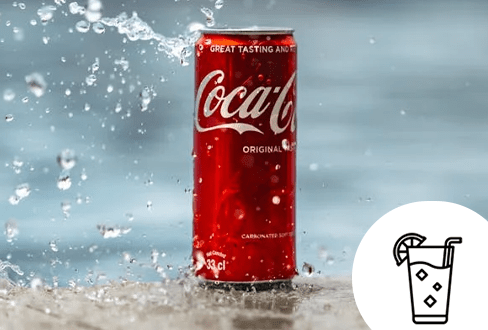
“We’ve used Saigao Nutri’s additives in our beverage production, and the results have been excellent. The flavor, texture, and nutritional profile of our drinks have significantly improved, and the quality remains consistently high, making our products more appealing to consumers.”

Thomas Müller
Berlin, Germany
★ ★ ★ ★ ★
“We’ve been working with Saigao Nutri for several months, and their prebiotics and soluble fibers have improved the health benefits of our products. We’ve noticed better taste, texture, and overall quality. Their service is reliable and on time.”

Maria Gonzalez
Madrid, Spain
★ ★ ★ ★ ★
“Our nutritious ingredients have significantly improved the quality of our products. Their high quality additives improve the taste, texture and nutritional value of the products. The customer service I consulted was excellent and provided timely and effective support.”

Amin Hossain
ABU Dhabi, UAE
Many hot products
are on special sale
— SAIGAO —
OUR ADVANTAGES

HIGH-QUALITY
INGREDIENTS

ADVANCED
TECHNOLOGY

HEALTH
BENEFITS

SUSTAINABLE
SOURCING
SAIGAO —
FACTORY OVERVIEW
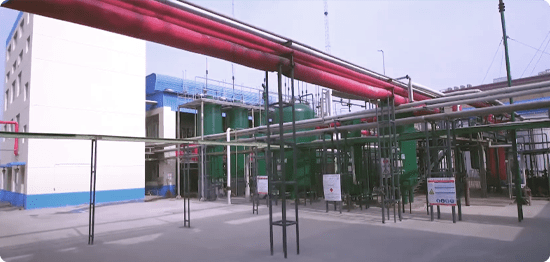
Our factory produces high-quality food additives using advanced technology and sustainable practices, ensuring the best ingredients for your products.
We take pride in our factory’s ability to deliver premium food additives, including sugar substitutes, fibers, and sugar alcohols. By integrating cutting-edge technology with eco-friendly production methods, we ensure both the quality and sustainability of our products. Our team works closely with clients to create tailored solutions, offering expertise and reliability in every batch. With stringent quality control measures in place, we guarantee that our additives meet the highest safety standards, supporting the creation of healthier and more innovative food products.


— SAIGAO —
FAQS

Please contact us through our website, and our sales team will discuss possible cooperation opportunities with you.
Yes, we have the capacity to meet large-scale production needs and provide a range of food additives.
Yes, all our products strictly comply with international food safety and quality standards.
Yes, we are happy to provide product samples for testing and evaluation.
Our food additives are suitable for various food productions, including pastries, beverages, candies, and meat products.
Yes, our R&D team can work with you to provide custom food additive solutions for your specific needs.
Our food additives are well-regarded for their superior performance, consistent quality, and sustainable production methods.
Our prices vary depending on the type of product and the quantity purchased. Please contact our sales team for a detailed quote.
You can view detailed specifications and data sheets for all our products on our website.
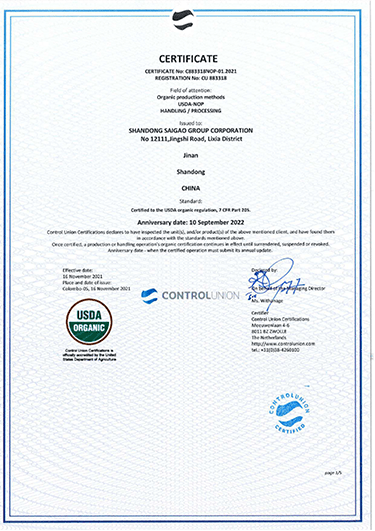
Some products meet organic standards. Please inquire for certifications specific to your requirements.
Yes, our team offers expert guidance to ensure optimal usage and formulation success.
— SAIGAO —
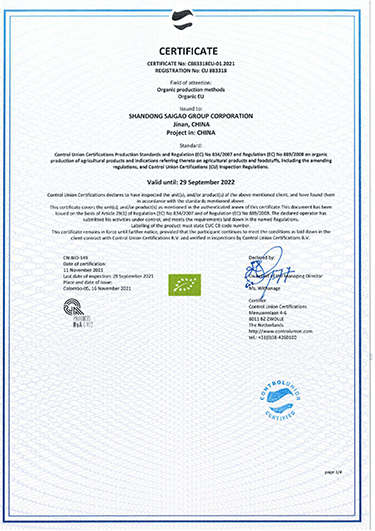
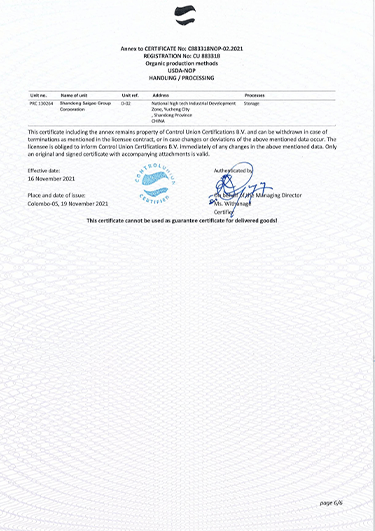
CERTIFICATES
➤
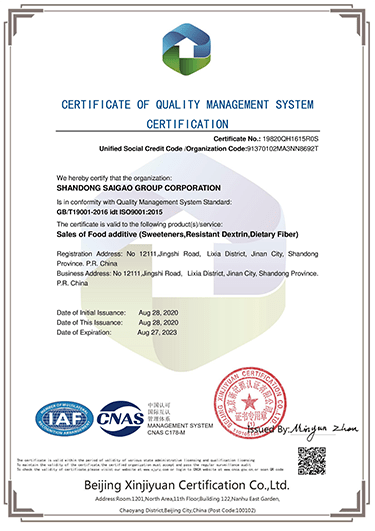
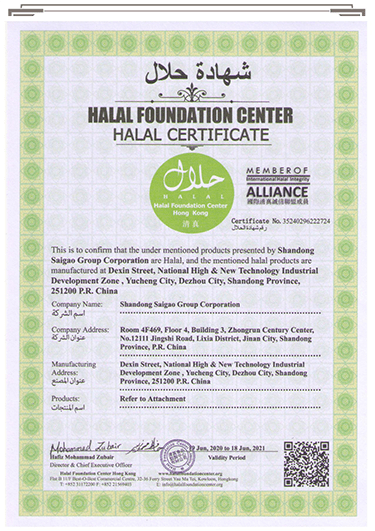
Saigao Nutri holds global quality certifications, ensuring our food additives meet international safety and performance standards.
— SAIGAO —
RELATED PRODUCTS
As a water-soluble vitamin, it is easily soluble in water, which makes it convenient for the human body to be quickly absorbed in the gastrointestinal tract after ingestion and enter the blood circulation to play a role.
Polydextrose, also known as glucose polymer, is a polysaccharide formed by the polymerization of glucose monomers. Its structure and properties are similar to starch, but polydextrose has lower viscosity and higher water solubility.
Erythritol is a naturally occurring sugar alcohol that is commonly found in fruits and vegetables such as grapes, pears and mushrooms, and can also be produced from glucose by fermentation.
— SAIGAO —
CONTACT US
product detail
Containing microbial cells (scientifically known as mycetome), it is also known as microbial protein or single-cell protein. Based on the raw materials used, it can be categorized as petroleum protein, methanol protein, and methane protein; and based on the type of bacterial strain, it can be divided into bacterial protein and fungal protein. The term was officially established at the First Global Single-Cell Protein Conference in 1967. Producing strains include Aspergillus niger and yeast. Their microbial proteins are produced through microbial metabolism of organic nitrogen and are used in bio-fermented feed. Improving strain performance relies on strain selection and genetic engineering techniques. For example, fermented soybean meal, rich in small peptides, has become a hot topic in the industry. Probiotics such as lactic acid bacteria and yeast in the microbial cell composition can maintain intestinal microbial homeostasis in animals.
Single-cell protein
Based on the raw materials used, it can be categorized as petroleum protein, methanol protein, and methane protein; and based on the type of producing bacteria, it can be further categorized as bacterial protein and fungal protein. At the First World Conference on Single-Cell Proteins in 1967, microbial proteins were collectively referred to as single-cell proteins.
Advantages
Single-cell proteins have the following advantages: First, they have high production efficiency, thousands of times higher than that of plants and animals. This is primarily due to the rapid growth and reproduction rate of microorganisms. Second, they can be sourced from a wide range of sources, generally including the following: ① Agricultural waste and wastewater, such as straw, bagasse, beet pulp, sawdust, and other cellulose-containing waste materials, as well as wastewater from agricultural and forestry product processing; ② Industrial waste and wastewater, such as sugar-containing organic wastewater and sulfite pulp wastewater from the food and fermentation industries; ③ Petroleum, natural gas, and related products, such as crude oil, diesel, methane, and ethanol; and ④ Waste gases such as H₂ and CO₂. Third, they can be produced on an industrial scale, requiring minimal labor and not restricted by region, season, or climate, resulting in high yields and excellent quality. Production process The production process of single-cell protein is also relatively simple: after the culture medium is prepared and sterilized, it is placed in a fermentation tank with the strains. If the fermentation conditions are controlled, the strains will multiply rapidly. After fermentation, the strains are collected by centrifugation, precipitation, etc., and finally dried to produce the finished single-cell protein product [1]. Nutritional characteristics Single-cell protein is a type of condensed protein product, containing 50% to 85% crude protein, with a complete amino acid composition and high utilization rate. It also contains vitamins, inorganic salts, fats and sugars, and its nutritional value is better than fish meal and soybean meal [1]. Among the mineral elements, it is rich in zinc and selenium, especially iron. In recent years, yeast products have been continuously developed, including selenium-containing yeast and chromium-containing yeast, all of which have their own special nutritional functions. The nutritional components of feed yeast produced by different raw materials and different yeasts are different. The crude protein content of petroleum yeast is as high as 60%, followed by brewer’s yeast and pulp waste liquid yeast, with crude protein contents of 47.2% and 45% respectively. Based on the principles of environmental protection and making the best use of resources, the latter two have the most promising development prospects. [2] Yeast protein Yeast from fungi has been used in food processing for a long time, including brewing, baking and other foods. The protein content in yeast exceeds half of its dry weight, but it is relatively lacking in sulfur-containing amino acids. In addition, since yeast contains a high amount of nucleic acids, excessive intake of yeast protein will cause an increase in blood uric acid levels, leading to metabolic disorders in the body. Bacterial protein The production of bacterial protein generally uses hydrocarbons (such as natural gas or asphalt) or methanol as substrates. Their protein content accounts for more than 3/4 of their dry weight, and their essential amino acid composition also lacks sulfur-containing amino acids. In addition, the fatty acids they contain are mostly saturated fatty acids. These two types of microbial proteins are generally not edible directly. Impurities such as cell walls, nucleic acids and ash need to be removed. The principle and process are similar to those of soybean processing. After bacterial protein extraction and processing, bacterial protein isolate is obtained. Its chemical composition is similar to that of soybean protein isolate, and after supplementing with sulfur-containing amino acids, its nutritional value is also similar to that of soybean protein isolate. Algal protein
Chlorella and Spirulina are the most notable. These are two types of microalgae that grow rapidly in seawater. Their protein content is 50% and 60% (dry weight), respectively. They are rich in essential amino acids, except for sulfur-containing amino acids, but are rich in other essential amino acids.
A wide variety of microorganisms are used to produce single-cell protein, including bacteria, actinomycetes, yeasts, molds, and certain protists. These microorganisms generally meet the following requirements: they produce high levels of protein and other nutrients, are non-pathogenic to humans, have a pleasant taste and are easily digestible, require simple culture conditions, and grow and reproduce rapidly. The production process for single-cell protein is also relatively simple: after the culture medium is prepared and sterilized, it is placed in a fermentation tank along with the bacterial strain. Under controlled fermentation conditions, the strain will rapidly reproduce. After fermentation is complete, the cells are collected by centrifugation or sedimentation, and finally dried to produce the finished single-cell protein product.
By the mid-1980s, the global annual production of single-cell protein reached 2.0 × 10⁶ tons, and it is widely used in food processing and feed. Single-cell protein can not only be made into “artificial meat” for direct consumption, but is also commonly used as a food additive to supplement protein, vitamins, and minerals. Because some single-cell proteins possess antioxidant properties, preventing food from spoiling, they are often used in baby powder, soups, and seasonings. Dry yeast, with its low calorie content, is often used as an additive in weight-loss foods. Single-cell protein can also improve certain physical properties of food. For example, adding active yeast to pizza can improve its thinness. Yeast protein concentrate has a pronounced umami flavor and is widely used as a flavor enhancer. Single-cell protein is also widely used worldwide as a feed protein.
The introduction of any new food ingredient raises issues of acceptability and safety, and single-cell protein is no exception. For example, the nucleic acid content of single-cell protein ranges from 4% to 18%, and consuming excessive amounts of nucleic acids can cause diseases such as gout. Furthermore, single-cell protein as a food may be difficult for people to accept. However, thanks to the efforts of microbiologists, these issues are being successfully addressed.
Single-cell protein is extremely rich in nutrients. The protein content is as high as 40% to 80%, 10% to 20% higher than soybeans and over 20% higher than meat, fish, and cheese. It also has a comprehensive amino acid profile, containing all eight essential amino acids, particularly lysine, which is found in lower concentrations in grains. An average adult can meet their amino acid needs by consuming 10 to 15 grams of dry yeast daily. Single-cell protein also contains a variety of vitamins, carbohydrates, lipids, minerals, and a rich variety of enzymes and bioactive substances, such as coenzyme A, coenzyme Q, glutathione, and ergosterol.
Explor More
We offer nearly 100 kinds of products in 6 series
Global Standards
Strict Quality Control
After-sales Guarantee
Customer Trust
Please contact us through our website, and our sales team will discuss possible cooperation opportunities with you.
Yes, we have the capacity to meet large-scale production needs and provide a range of food additives.
Yes, all our products strictly comply with international food safety and quality standards.
Yes, we are happy to provide product samples for testing and evaluation.
Our food additives are suitable for various food productions, including pastries, beverages, candies, and meat products.
Yes, our R&D team can work with you to provide custom food additive solutions for your specific needs.
Our food additives are well-regarded for their superior performance, consistent quality, and sustainable production methods.
Our prices vary depending on the type of product and the quantity purchased. Please contact our sales team for a detailed quote.
You can view detailed specifications and data sheets for all our products on our website.
Some products meet organic standards. Please inquire for certifications specific to your requirements.
Yes, our team offers expert guidance to ensure optimal usage and formulation success.
Yes, we have a specific refund policy, if you are not satisfied with our products, feel free to consult our after-sales team.
CONTACT FORM









CONTACT US
Our representative will contact you soon