 SGNUTRI


Search Product
Is Resistant Dextrin Keto Friendly
Yes, resistant dextrin is 100% ketogenic-friendly, it is one of the safest functional dietary fibers in a strict low-carb diet.
The glycemic index (GI) of resistant dextrin is negligible-usually around 15. In contrast, normal maltodextrin has a GI as high as 85 to 105. For ketogenic practitioners who are extremely sensitive to carbohydrates, this means that it does not cause drastic blood sugar swings or trigger the kind of compensatory insulin response that would pull you out of the ketogenic state. Because it is “anti-digestive” and can remain basically intact when passing through the small intestine, you can deduct its grams from the total carbon water when calculating net carbon water. It’s more like a prebiotic, nourishing the gut microbiome by fermentation in the large intestine without becoming the kind of metabolic fuel that kicks you out of fat-burning mode.
Why Is The Low GI Of Resistant Dextrins So Important For Ketogenic?

The core goal of the ketogenic diet is to maintain the body in a state where it burns fat instead of glucose. To achieve this, keeping insulin levels low is non-negotiable. Traditional maltodextrin is often the “hidden killer” of the ketogenic diet because of its extremely high GI value.
The GI value of resistant dextrin is very low, which has almost no effect on blood sugar. When we look at the CGM curve, we find that the curve is a smooth straight line after ingestion of resistant dextrin, while high GI sweeteners cause steep peaks and subsequent plunges. This smooth blood sugar response ensures that your body continues to burn fat and will not be disturbed by insulin, because once insulin rises, the production of ketone bodies basically stops.
How To Calculate Net Carbon Water
Resistant dextrin is called this because it “resists” the action of digestive enzymes such as amylase in the small intestine.
It is not broken down into glucose molecules in the early stages of digestion, so at the metabolic level, it does not take up your daily carbohydrate limit. When you calculate macronutrients (Macros), the formula is simple:
Total Carbohydrate – Fiber (Resistant Dextrin) = 0 Net Carbohydrate
This allows ketogenic friends to enjoy foods that have added fiber, taste better and feel fuller, without worrying about exceeding the upper limit of 20-50 grams of carbohydrate per day.
Prebiotic Benefits Beyond Zero Metabolic Burden
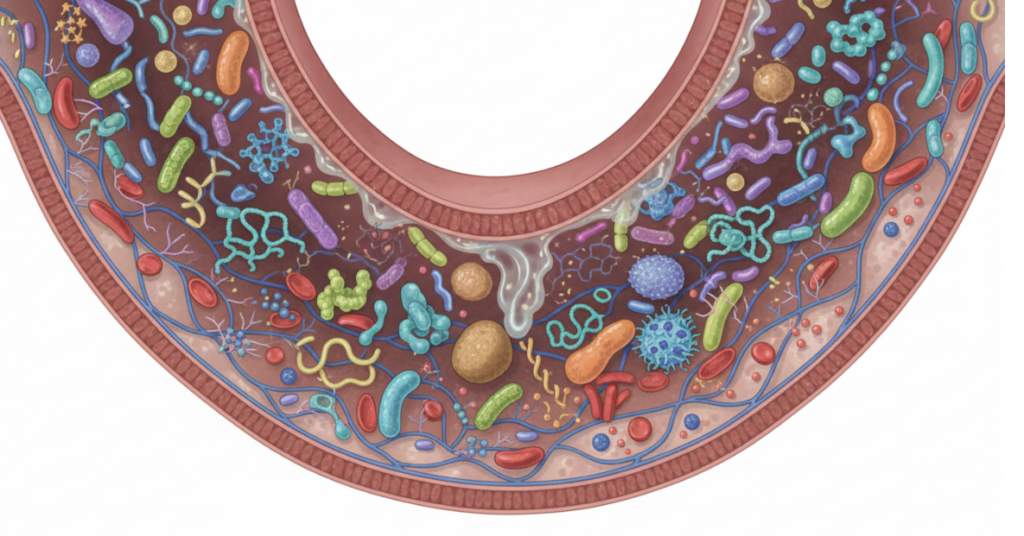
Resistant dextrin is not only a ketogenic “safety card”, it also has real health benefits. When it reaches the large intestine, it undergoes a slow fermentation process. In the process, it acts as a prebiotic, feeding probiotics like bifidobacteria.
Unlike sugar, which provides immediate metabolic fuel (glucose), fermentation of resistant dextrins produces short-chain fatty acids (SCFAs), such as butyric acid. These short-chain fatty acids are very beneficial for metabolic health and do not interfere with nutritional ketogenic production at all. A healthy gut microbiota improves insulin sensitivity over time, which in turn makes it easier to maintain weight loss during long-term ketogenesis.
How To Identify Resistant Dextrins On Ketogenic Food Labels
To the forefront of nutrition
Soluble Fiber
Soluble fiber is a highly stable, indigestible dietary ingredient that promotes weight control by increasing satiety and reducing food intake. Versatile in application, it is widely used to enhance the nutritional profile and texture of foods, beverages, and health products.
Soluble Fiber
Prebiotic
A prebiotic functions as a proliferation factor that is selectively degraded and utilized by beneficial intestinal bacteria, such as Bifidobacteria. This process exerts a positive effect on overall human health, often accompanied by metabolic advantages such as low caloric impact and minimal blood sugar fluctuations due to their unique digestive stability.
Prebiotic
Vitamins
Vitamins are essential organic micronutrients, categorized into water-soluble and fat-soluble forms, that regulate critical physiological processes such as metabolism, immunity, and coagulation. Due to their sensitivity to light, heat, and moisture,
Vitamins
To make sure you’re not eating wrong, learning to read labels is crucial. There are usually several “waistcoats” of resistant dextrin in ketogenic snacks and supplements:
- Soluble corn fiber
- Fibersol-2
- Digestion-Resistant Maltodextrin
There is a hole we must avoid: do not confuse “resistant maltodextrin” with ordinary “maltodextrin”. Although the name sounds like a blood brother, but their chemical structure and physiological effects are completely different. As long as the label is clearly marked as “fiber version” or “resistant version”, it is a sharp weapon for you to maintain intestinal health while maintaining ketogenic state.
Author: Dr. Julian Reed
“Hi, I’m a metabolic health consultant specializing in low-carb nutrition, I am dedicated to helping people navigate the complexities of the ketogenic lifestyle through data-driven insights. After analyzing hundreds of dynamic glucose monitor (CGM) data sets in my consulting room, I’ve made it my mission to identify the ‘hidden killers’ and the ‘safety cards’ in functional foods.”
The prev: What Does Allulose Do To Your BodyThe next: What Food Has Allulose
Related recommendations
-

Is Soluble Fiber Better Than Insoluble Fiber
338Learn The Differences Between Soluble And Insoluble Fiber And Which Type Is Best For Your Specific Health Goals.
View details -
Is Allulose A Natural Or Artificial Sweetener? The Truth
75Is Allulose Natural Or Artificial? Get The Truth On This Rare Sugar’s Safety And Keto Benefits.
View details -
Can I Substitute Erythritol For Sugar
356Master Erythritol Substitution With Our 1.33x Ratio Guide. Avoid Crystallization And Perfect Your Keto Baking.
View details -
Fructo-Oligosaccharide Powder: Health Benefits and Uses
1508Discover What Fructo-Oligosaccharide Powder Is, Its Health Benefits, And Common Uses In Food And Supplements-SGNUTRI.
View details