 SGNUTRI



Search Product
Allulose and Liver Health: What Human Evidence Shows
A bag of allulose (allulose) is indeed a very convenient sweetener, and it is very low in calories. But if it can be considered “liver-protecting food” because it is low in calories, then that’s a bit of a stretch. When we discuss allulose and liver health, many people actually confuse three things: the dietary value of replacing regular table sugar, changes in certain biochemical indicators in human trials, and whether people who already have liver disease can actually eat it. Many people on the Internet often search for “Is Allulose Bad For Your Liver”. In fact, to understand this problem, we need to take it apart and look at it.
What exactly did the 48-week human trial find?
There was a 48-week randomized, double-blind, placebo-controlled trial that enrolled 90 adults with elevated LDL cholesterol. The researchers had them consume 0, 5, or 15 grams of D-allulose per day, respectively. The results did show some positive signs: some liver enzyme indicators, fatty liver score, and glucose metabolism indicators all improved. At the same time, these individuals did not experience significant increases in total cholesterol or LDL cholesterol, and no clinical problems were reported with respect to other parameters.
But does this directly clarify the complex relationship between Allulose Fatty Liver (allulose and fatty liver)? No. You have to know that this data comes from adults with high cholesterol, and it doesn’t prove that allulose can be used “to treat” fatty liver disease. In medicine, changes in liver enzymes, fatty liver scores, and true clinical liver disease outcomes are observations at different levels. The improvement of certain indicators does not mean that liver disease has been directly reversed.
In addition, although 48 weeks is longer than a typical short-term trial, it still cannot predict what will happen if you eat it for several years in a row. These findings cannot be directly applied to people who consume large amounts of food daily, have severe liver and kidney diseases, have complex medication use, or are pregnant or breastfeeding. The fact that no clinical problems were reported in the trial does not mean that all risks were completely eliminated for everyone.
Eating less sugar and “protecting the liver” are two different things
After allulose is ingested, most of it is absorbed in the small intestine and then excreted directly through urine like a complete molecule. Unlike glucose or fructose, it is not used extensively by the human body for energy metabolism. This explains why it provides so little heat. However, this metabolic characteristic itself cannot be directly equated with “liver-protecting efficacy”. Even if blood sugar or insulin responses do improve after meals, these cannot replace long-term liver health outcomes.
Many people who care about Is Allulose Bad For Fatty Liver often overlook a big premise: in everyday food, allulose must actually replace sucrose. In other words, there can’t be any other messy ingredients, or you can eat something extra to replenish the calories and sugar, so that the total calorie or sugar load of the finished product will really come down. If you don’t change your usual diet and just add some extra allulose, it’s pointless ——it doesn’t work like magic “offset” the sugar you’ve already eaten.
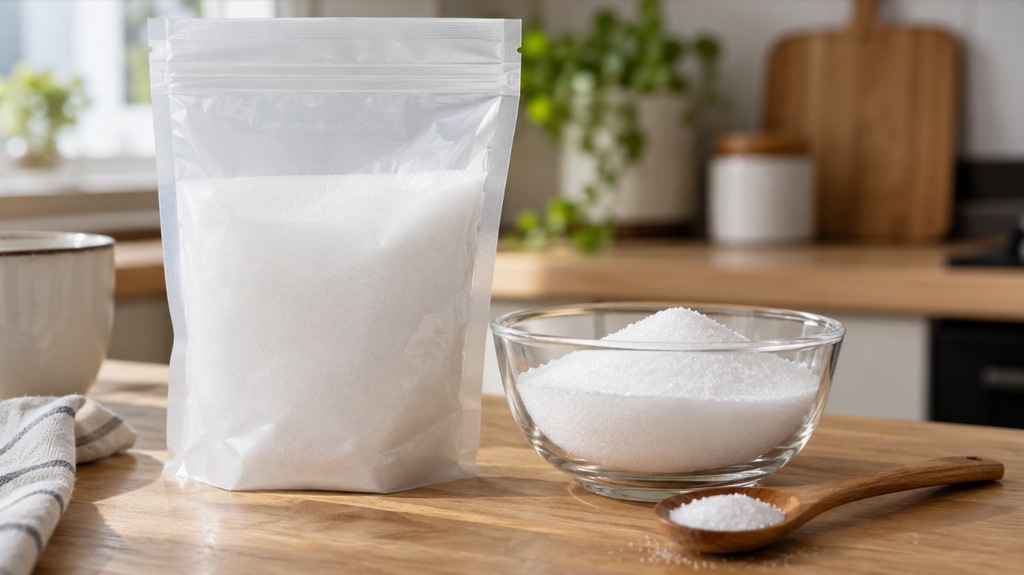
Moreover, there are many products on the market that are called allulose, including pure white crystalline powder, syrup, and products mixed with other sweeteners. The total weight of a package of products you buy is not equal to the actual amount of allulose in it. The other sugars, starches, and overall nutritional content in the product still determine whether the food is healthy or not.
Don’t treat the dosage in the study as a prescription for liver disease
Returning to the 5 grams and 15 grams per day mentioned in the previous trial, those were merely laboratory-set study conditions and were definitely not the recommended intake for patients with liver disease. Regarding Allulose And Fatty Liver, current scientific evidence does not provide a universally accepted recommended daily dietary intake, nor does it provide a universal safe daily upper limit. The doses used in gastrointestinal tolerance tests cannot be used to determine whether allulose is suitable for patients with liver disease.
If you eat too much, you may experience diarrhea, bloating, abdominal pain, or nausea, and everyone’s tolerance level is different. Of course, these symptoms of gastrointestinal discomfort alone cannot be said to have caused liver damage; but conversely, even if you have no pressure in your stomach after eating, it does not prove that it is absolutely safe for the long-term health of the liver.
For those who already have liver disease or are taking related medications, it is best to have them evaluated by a professional doctor before taking them. Your doctor needs to make a judgment based on the specific product you buy, your actual aloxone intake, and your current health condition. It’s okay to look for a food alternative to change the taste, but this should never become your treatment plan; and you shouldn’t arbitrarily adjust the dosage of prescription drugs just because you’ve seen the trial dosage in a study.
Related recommendations
-

What Is Dextrose Anhydrous Used For
1713Discover The 3 Main Uses Of Dextrose Anhydrous: Medical IVs, Sports Recovery, And Food Manufacturing.
View details -
Is Maltodextrin Dairy Free
1808Learn Why Maltodextrin Is Always Dairy-Free, Plant-Based, And Safe For Milk Allergies Or Lactose Intolerance.
View details -
What Foods Contain Maltodextrin?
2174See What Foods Contain Maltodextrin.This Article Reveals The Hidden List Causing Blood Sugar Spikes And Ruining Keto.
View details -
Why Is Glucose Soluble In Water
2146Discover Why Glucose Is Soluble In Water. It’s Because Both Are Polar Molecules, Allowing Them To Form Strong Hydrogen Bonds.
View details