 SGNUTRI


Search Product
Should I Take Prebiotics Or Probiotics
In fact, both are indispensable in the diet. Prebiotics are the “rations” of probiotics, while probiotics are directly supplemented with beneficial bacteria. Only by a two-pronged approach can the intestinal environment be truly stable.
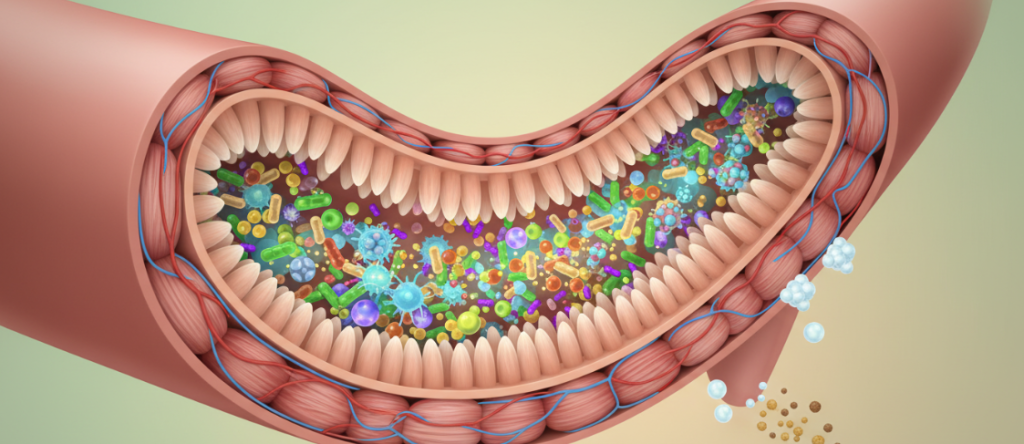
Clarifying The Concept: Prebiotics Vs Probiotics
To fix the intestines and stomach, we must first understand their respective roles:
Prebiotics (intestinal fuel): You can think of this stuff as intestinal fertilizer. In fact, the human body can not digest these special plant fibers, they will directly reach the lower digestive tract, specifically for those good bacteria to provide energy. Prebiotics contribute more to the long-term building of gut health because it allows your internal ecosystem to become “self-sufficient”.
Eat these often: onions, garlic, oats, bananas and beans.
Probiotics (beneficial bacteria): These are living “good bacteria”. When your gut flora is out of balance due to stress, improper diet, or drugs, directly supplementing probiotics is like inputting “reinforcements” to the system to quickly restore diversity.
Often eat these: yogurt, kefir yogurt, sauerkraut, pickles and other fermented foods.
When Should You Prioritize Which One
A balanced diet is indeed an iron law, but in certain situations, you have to learn to “adapt to local conditions”:
When to focus on probiotics? It must be during or after taking antibiotics. Although antibiotics are very bactericidal, they are “indiscriminate attacks” and will kill the good bacteria in the intestinal tract together. During this special period, supplementing probiotics can help your intestinal flora “rebuild” as soon as possible “.
When to focus on prebiotics? This should be the cornerstone of your daily diet. If you are looking for long-term bowel regularity and immune system stability, consuming prebiotics through a high-fiber diet is the most cost-effective and sustainable path.
To the forefront of nutrition
Soluble Fiber
Soluble fiber is a highly stable, indigestible dietary ingredient that promotes weight control by increasing satiety and reducing food intake. Versatile in application, it is widely used to enhance the nutritional profile and texture of foods, beverages, and health products.
Soluble Fiber
Prebiotic
A prebiotic functions as a proliferation factor that is selectively degraded and utilized by beneficial intestinal bacteria, such as Bifidobacteria. This process exerts a positive effect on overall human health, often accompanied by metabolic advantages such as low caloric impact and minimal blood sugar fluctuations due to their unique digestive stability.
Prebiotic
Vitamins
Vitamins are essential organic micronutrients, categorized into water-soluble and fat-soluble forms, that regulate critical physiological processes such as metabolism, immunity, and coagulation. Due to their sensitivity to light, heat, and moisture,
Vitamins
Supplements: Is It Really Necessary?
While I ‘ve always advocated getting nutrients from natural foods, there are times when supplements do fill a gap:
Restricted diet: If your pace of life is too fast to guarantee that you will have beans or fermented foods in every meal, then high-quality supplements are a compromise.
Special pathological needs: Some people with specific gastrointestinal diseases may need specific strains prescribed by doctors and cannot be bought casually.
After antibiotic surgery: The intervention efficiency of short-term supplements is very high during this special period.
A Few Details That Must Be Paid Attention
Before you place an order for various supplements, there are two things to listen to me:
“A small number of times” is the principle: many people make up for their health, but as a result, their intestines and stomach can’t stand it at all, and flatulence and diarrhea all come. The regulation of intestinal flora is a gradual process, don’t be too hasty.
Consult professional advice: especially if your immunity is weak, or just finished the operation, don’t blindly supplement yourself. Everyone’s internal environment varies greatly. To make up for the right one is to preserve one’s health. To make up for the wrong one is to increase the intestinal burden. It must be evaluated by a doctor.
Food Supplement Is The Absolute Principle
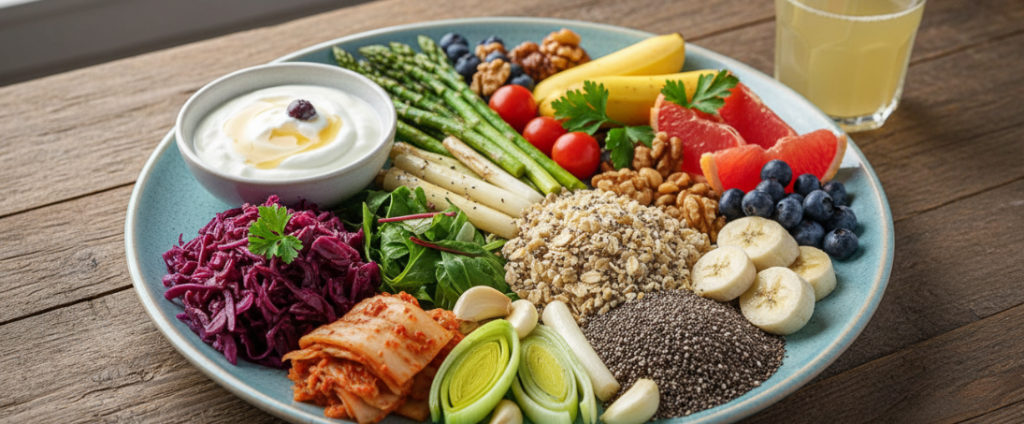
Don’t put all hope on the pill, the real health logic is “food first”. As long as you learn to eat high-fiber prebiotic foods with fermented probiotic foods, your intestines can form a virtuous ecological closed loop. First, regulate your daily diet. As for supplements, they are only “alternatives” to use when necessary.
Frequently Asked Questions (FAQ)
Yes, you can. In fact, taking them together is often referred to as taking a “synbiotic.” Since prebiotics provide the fuel (fiber) that probiotics need to thrive, consuming them together can help the beneficial bacteria survive and colonize more effectively in your gut.
It varies from person to person. Some people may notice improvements in digestion, such as reduced bloating or more regular bowel movements, within a few days to a couple of weeks. However, building a healthy and diverse gut microbiome is a long-term process that requires consistent dietary habits.
Emerging research suggests that a healthy gut microbiome plays a role in metabolism and weight management. By improving digestion and reducing inflammation, a balanced intake of prebiotics and probiotics may support your overall weight management goals, but they are not a “quick fix” for weight loss.
For most people, they are very safe. However, because you are changing the composition of your gut bacteria, you may experience minor, temporary side effects like gas, bloating, or abdominal discomfort during the first few days. If these symptoms persist or are severe, stop taking the supplement and consult your doctor.
Author: Sarah Jenkins
I am a Registered Dietitian and gut health specialist with over a decade of experience helping patients restore their digestive balance. Through my clinical practice, I’ve seen firsthand how the right combination of prebiotics and probiotics can transform overall well-being.
The prev: Is Xylitol Same As SteviaThe next: Is Polydextrose A Good Source Of Fiber
Related recommendations
-

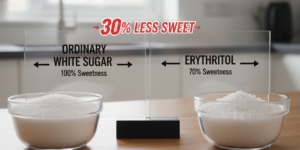
Can I Substitute Erythritol For Sugar
576Master Erythritol Substitution With Our 1.33x Ratio Guide. Avoid Crystallization And Perfect Your Keto Baking.
View details -
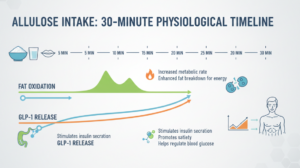
Does Allulose Help Lose Weight? How It Actually Works
354Discover How Allulose Aids Weight Loss By Boosting Fat Oxidation And Triggering GLP-1. Get Expert Dosage Tips Here.
View details -
Is Resistant Dextrin Keto Friendly
492Is Resistant Dextrin Keto? Learn About Its Low GI, Zero Net Carb Impact, And Gut Health Benefits For Low-Carb Diets.
View details -
What Uses Erythritol
439Discover The Benefits Of Erythritol. Learn How This Zero-Calorie Sugar Substitute Works For Keto, Blood Sugar, And Baking.
View details