 SGNUTRI


Search Product
Is Xylitol Same As Stevia
The short answer is no.
Although people compare xylitol and stevia sugar together when controlling weight or blood sugar, or even mix them as “substitutes”, in essence, the two are completely different things.
Xylitol is actually the sugar alcohol, usually extracted from corn or birch. My personal feeling is that its taste is very similar to that of white granulated sugar. It can be directly replaced at a ratio of 1:1 when baking, which makes it much easier for many people who don’t want to give up dessert. In contrast, stevia is the natural high-power sweetener extracted from the stevia plant. Its sweetness is hundreds of times that of ordinary granulated sugar, so the heat is almost negligible.
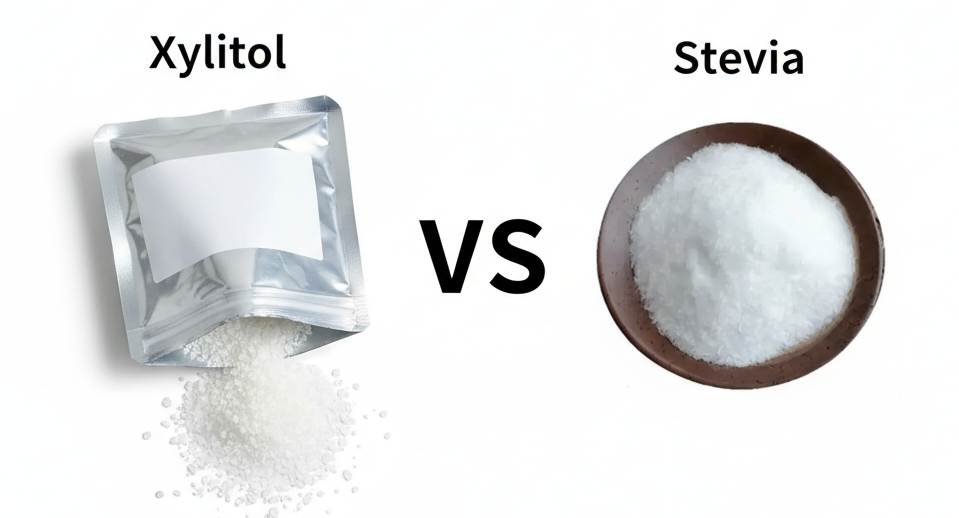
From a health management perspective, or if you’re on a ketogenic diet, the core difference is the body’s metabolic response to them. Xylitol, after all, contains a small amount of carbohydrates and calories, eat more easily stomach protest, and even have the risk of diarrhea. Stevia not only has zero calories, but also has little effect on blood sugar and insulin levels. But then again, stevia has a problem-the aftertaste is occasionally bitter, which is really less interesting than the clean sweetness of xylitol.
Talk About Xylitol: The Qualities Of Sugar Alcohol
Xylitol is essentially the kind of carbohydrate, in many fruits and vegetables actually exist naturally, but in industry for convenience, more corn cob or birch to produce. To tell the truth, the reason why many friends who are used to baking at home prefer it is to worry about it. Because its sweetness curve is so similar to white sugar, you don’t need to recalculate the ratio of liquid to solid in the baking recipe, just replace it.
To the forefront of nutrition
Soluble Fiber
Soluble fiber is a highly stable, indigestible dietary ingredient that promotes weight control by increasing satiety and reducing food intake. Versatile in application, it is widely used to enhance the nutritional profile and texture of foods, beverages, and health products.
Soluble Fiber
Prebiotic
A prebiotic functions as a proliferation factor that is selectively degraded and utilized by beneficial intestinal bacteria, such as Bifidobacteria. This process exerts a positive effect on overall human health, often accompanied by metabolic advantages such as low caloric impact and minimal blood sugar fluctuations due to their unique digestive stability.
Prebiotic
Vitamins
Vitamins are essential organic micronutrients, categorized into water-soluble and fat-soluble forms, that regulate critical physiological processes such as metabolism, immunity, and coagulation. Due to their sensitivity to light, heat, and moisture,
Vitamins
Stevia Again: High-Intensity Sweet From Plant Extracts
The logic of stevia is completely different. It is derived from plants, so it is the first choice for many consumers who pursue pure natural. But it is the most powerful place is the sweetness, because it is concentrated extraction, you only need to use a little bit is enough. In order to facilitate everyone’s usual use, the stevia sugar sold on the market is usually added with fillers (such as erythritol). If you are the kind of person who cares about calorie intake, stevia is indeed your first choice.

Health Effects: Ketogenic And Glycemic Control
When people ask “is there any difference between xylitol and stevia sugar”, they are actually concerned about nothing more than metabolic level:
- Blood sugar fluctuations: Stevia hardly triggers an insulin response, and people with extremely high blood sugar control requirements use it most steadily. Although xylitol has a low glycemic index, it does contain carbohydrates.
- Heat: Xylitol has heat. If you are in a strict ketogenic period and are not paying attention, the accumulation of more may affect your ketone body levels.
- Gastrointestinal burden: Many people will have flatulence or gastrointestinal discomfort when they eat too much xylitol. This is a common problem of sugar alcohols. Stevia does not have this problem because it is not a sugar alcohol.
Cooking Application
Which one you choose often depends on what you are doing.
- Taste: Xylitol is better than “refreshing”, without the strange chemical aftertaste. Although stevia is easy to use, it is used in a large amount. The metallic or bitter taste is really embarrassing.
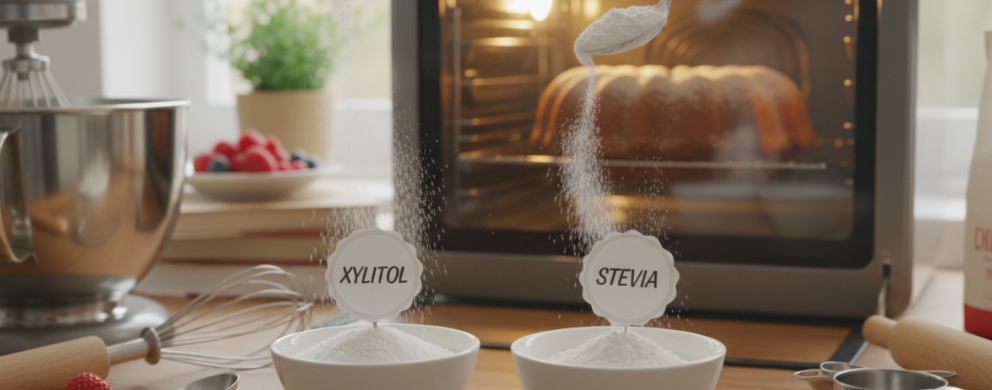
- Baking structure: Although both are resistant to high temperatures, don’t forget that granulated sugar not only provides sweetness, but also volume and support in baking. Xylitol can perfectly duplicate this volume, but if you use stevia, because the amount is very small, you will find that the cake may “collapse” or change the texture, which is the problem of less filling.
Finally, a suggestion:
Ultimately, which one you choose depends on what you really want. If you care about the feel of baking and the familiar sweetness, xylitol is the right thing to use; if your ultimate goal is to completely eliminate calories, or if you are extremely sensitive to blood sugar, stevia is a better tool. Think of them as two different functional “parts” in the kitchen, rather than random sugar substitutes, and your healthy life will be more satisfactory.
Author: Alex Rivera
Hi, I’m a dedicated health researcher and nutrition enthusiast. Having spent years analyzing sugar substitutes and their metabolic effects, I focus on helping readers navigate the often confusing world of sweeteners.
The prev: Does Soluble Fiber Dissolve In WaterThe next: Should I Take Prebiotics Or Probiotics
Related recommendations
-

Is Resistant Dextrin Good For You
720Wondering Is Resistant Dextrin Good For You? Yes! Discover How This Soluble Fiber Supports Digestion, Gut Health, And Keto Diets Safely.
View details -
Is Vitamin C The Same Thing As Calcium
879Is Vitamin C The Same Thing As Calcium? No. Discover Their Key Differences And How They Work Together For Your Health.
View details -
Crystalline Maltitol Syrup: A Comprehensive Guide
1767Explore the features, benefits, and applications of crystalline maltitol syrup in this complete guide from SGNUTRI.
View details -
Galactooligosaccharides Benefits
455Discover How GOS Prebiotics Support Infant Gut Health, Relieve Constipation, And Boost Immunity. Expert Insights Included.
View details