 SGNUTRI


Search Product
Is Soluble Fiber Better Than Insoluble Fiber
In short, neither is universally superior, but they serve distinct physiological roles. Soluble fiber (found in oats, beans, and fruits) can lower cholesterol and regulate blood sugar. Insoluble fiber (found in whole grains and vegetables) aids digestion and prevents constipation. A balanced intake is best.
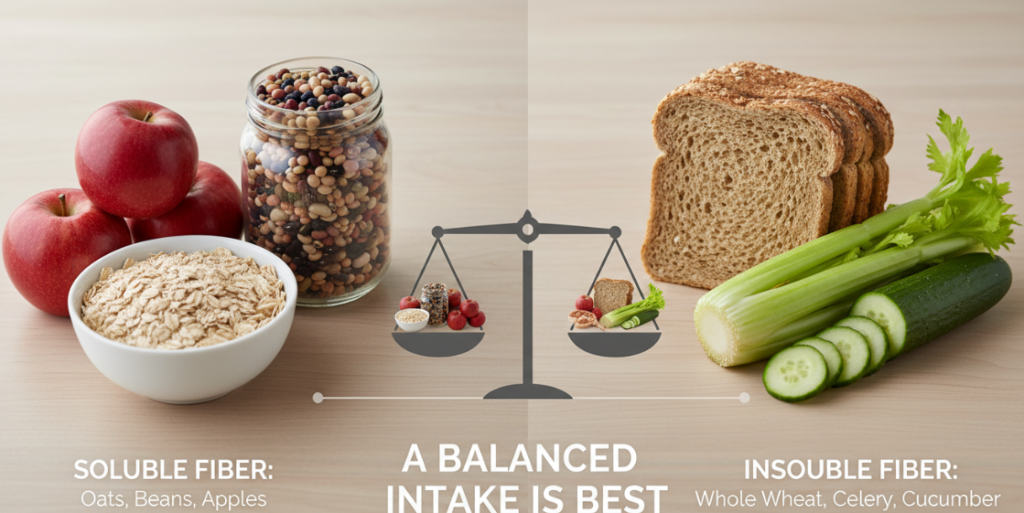
Water Soluble Vs. Water Insoluble
To understand why the two are indispensable, it is necessary to look at their physical reaction after entering the intestinal tract. Although they are all carbohydrates that the body cannot digest directly, the “temper” is the opposite.
1. Water-soluble fiber: the internal “regulator” of the body”
This stuff, as its name implies, dissolves in water and turns into a jelly-like sticky substance in the stomach. This feature gives it several key functions:
- Heart protection: It can stick cholesterol in the intestines like glue and take them out of the body, thereby reducing the “bad” cholesterol (LDL).
- Stable blood sugar: It can slow down the absorption of sugar. This is essential for people who manage blood sugar fluctuations.
- Weight control: This gel will slow down digestion and make you feel more full.
- Source: oats, beans, lentils, nuts, as well as apples, pears this kind of meat thick fruit.
To the forefront of nutrition
Soluble Fiber
Soluble fiber is a highly stable, indigestible dietary ingredient that promotes weight control by increasing satiety and reducing food intake. Versatile in application, it is widely used to enhance the nutritional profile and texture of foods, beverages, and health products.
Soluble Fiber
Prebiotic
A prebiotic functions as a proliferation factor that is selectively degraded and utilized by beneficial intestinal bacteria, such as Bifidobacteria. This process exerts a positive effect on overall human health, often accompanied by metabolic advantages such as low caloric impact and minimal blood sugar fluctuations due to their unique digestive stability.
Prebiotic
Vitamins
Vitamins are essential organic micronutrients, categorized into water-soluble and fat-soluble forms, that regulate critical physiological processes such as metabolism, immunity, and coagulation. Due to their sensitivity to light, heat, and moisture,
Vitamins
2. Insoluble fiber: intestinal “scavenger”
It is insoluble in water and remains largely intact as it passes through the digestive tract. Its role is more physical:
- Promotes laxation: It increases the volume of feces and accelerates the passage of waste through the intestines like a broom.
- Relieve constipation: If you feel that the intestinal peristalsis is slow and often uncomfortable, this is the first choice.
- Source: Bran, whole grains, seeds, and the skin of many vegetables (such as cucumber skin, zucchini skin).
For Different Health Goals, Which One Should I Choose
In practice, I would suggest fine-tuning the focus according to your current physical needs:
- If you want to improve your heart health or lose weight: Water-soluble fiber may make you feel “better”. Eat more oats, seeds and beans, in the control of blood sugar and appetite suppression effect is very obvious.
- If you want to solve the problem of defecation: non water soluble fiber is definitely the main force. Eat more green leafy vegetables and whole grain staple food, can effectively solve the problem of slow digestive tract emptying.
- For long-term overall health: A healthy body requires both the chemical conditioning of water-soluble fibers and the physical cleaning of non-water-soluble fibers.
How To Balance Science
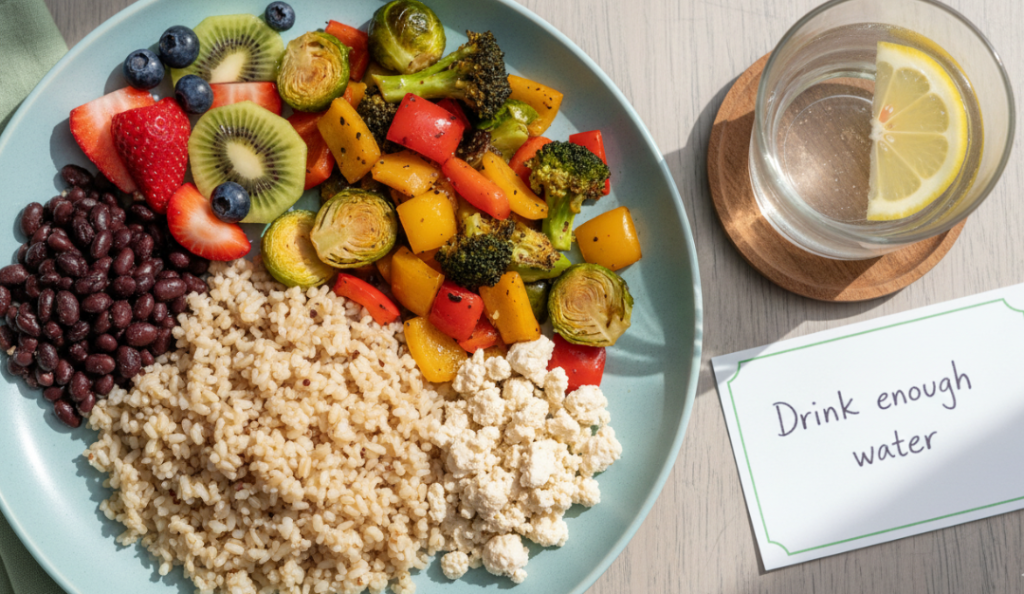
The good news is that you usually don’t need to do the math in. Nature is smart, and most plants-fruits, vegetables, legumes-are themselves “hybrid packages” of the two “.
Several suggestions for increasing intake:
- Variety should be mixed: don’t just stare at one kind of food to eat. Whole grains (water insoluble) are ideal with fruits and legumes (water soluble).
- Follow the principle of “gradual and orderly progress”: this is the point I want to remind most. Many people feel that fiber is good, and they increase the amount within a day, resulting in abdominal distension and even bowel sounds. The intestine must be slowly given time to adapt.
- Drink enough water: Fiber needs water to function. If you increase your fiber intake but don’t drink enough water, it may worsen your constipation.
Author: Julian Reed
“I am a clinical nutritionist dedicated to simplifying complex dietary science for everyday wellness. In my practice, I often get asked if one type of fiber is superior, but my philosophy—as shared in this article—is that balance is the ultimate key to health. I specialize in helping individuals integrate both soluble and insoluble fiber to manage cholesterol and digestive health naturally. “
Related recommendations
-

Is Resistant Dextrin Keto Friendly
329Is Resistant Dextrin Keto? Learn About Its Low GI, Zero Net Carb Impact, And Gut Health Benefits For Low-Carb Diets.
View details -
Does Soluble Fiber Increase Satiety
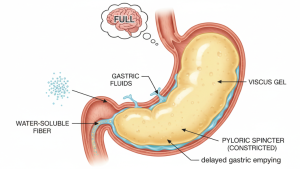
556Yes! Soluble Fiber Forms A Viscous Gel, Slowing Gastric Emptying And Boosting Satiety Hormones Like Glp-1 To Stop Hunger.
View details -
Does Polydextrose Raise Blood Sugar
383Learn Why Polydextrose Is Blood Sugar Neutral, Safe For Keto And Diabetes, And How To Read Its Labels Correctly.
View details -
Can I Substitute Erythritol For Sugar
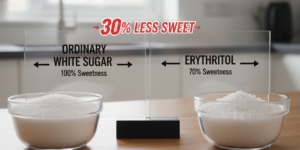
385Master Erythritol Substitution With Our 1.33x Ratio Guide. Avoid Crystallization And Perfect Your Keto Baking.
View details