 SGNUTRI


Search Product
Can Maltodextrin Be Organic? What the Label Must Prove
A bag of maltodextrin may say it is corn sourced, but that alone does not tell you whether it is organic. Corn identifies the source of the starch. “Organic” concerns the ingredients, processing, and certification scope of a specific product. Can maltodextrin be organic? Yes, but the answer must be tied to the actual product, not inferred from the ingredient name or the powder’s appearance.
Organic starch is only the starting point
Maltodextrin is made by partially hydrolyzing edible starch. Suitable starches may come from corn, potatoes, rice, tapioca, or wheat. A plant origin does not automatically give the processed maltodextrin organic status. Likewise, “corn maltodextrin” identifies a source category; it does not establish that the corn was organically certified. The word “maltodextrin” on its own does not even identify which starch was used.
Organic corn or tapioca starch is relevant information when assessing organic maltodextrin. The starch still undergoes controlled hydrolysis and further processing. Whether a particular product meets the applicable organic system also involves processing aids, production or handling sites, and the supply chain. Compliance at the raw material stage does not automatically cover those later stages. Treating “made from organic starch” and “the finished ingredient is organically certified” as equivalent hides that distinction.
The certificate must match the product
“Organic maltodextrin” refers to a particular product produced and handled under an applicable organic system and covered by a certificate. Organic status is a product claim, not a fixed chemical property of maltodextrin. Two powders with the same ingredient name may have different sources and certification status; a white or pale yellow appearance cannot answer the certification question.
The certificate holder, certified product name, and production address should correspond to the product being discussed. The certificate number, validity period, and verifiable status also matter. A specification describes a product and its technical limits, while a batch test document reports measured results for that batch. Neither serves as an organic certificate. An organic icon on a webpage, or a certificate that cannot be matched to the product, is insufficient to establish that the maltodextrin is currently within a valid certification scope.
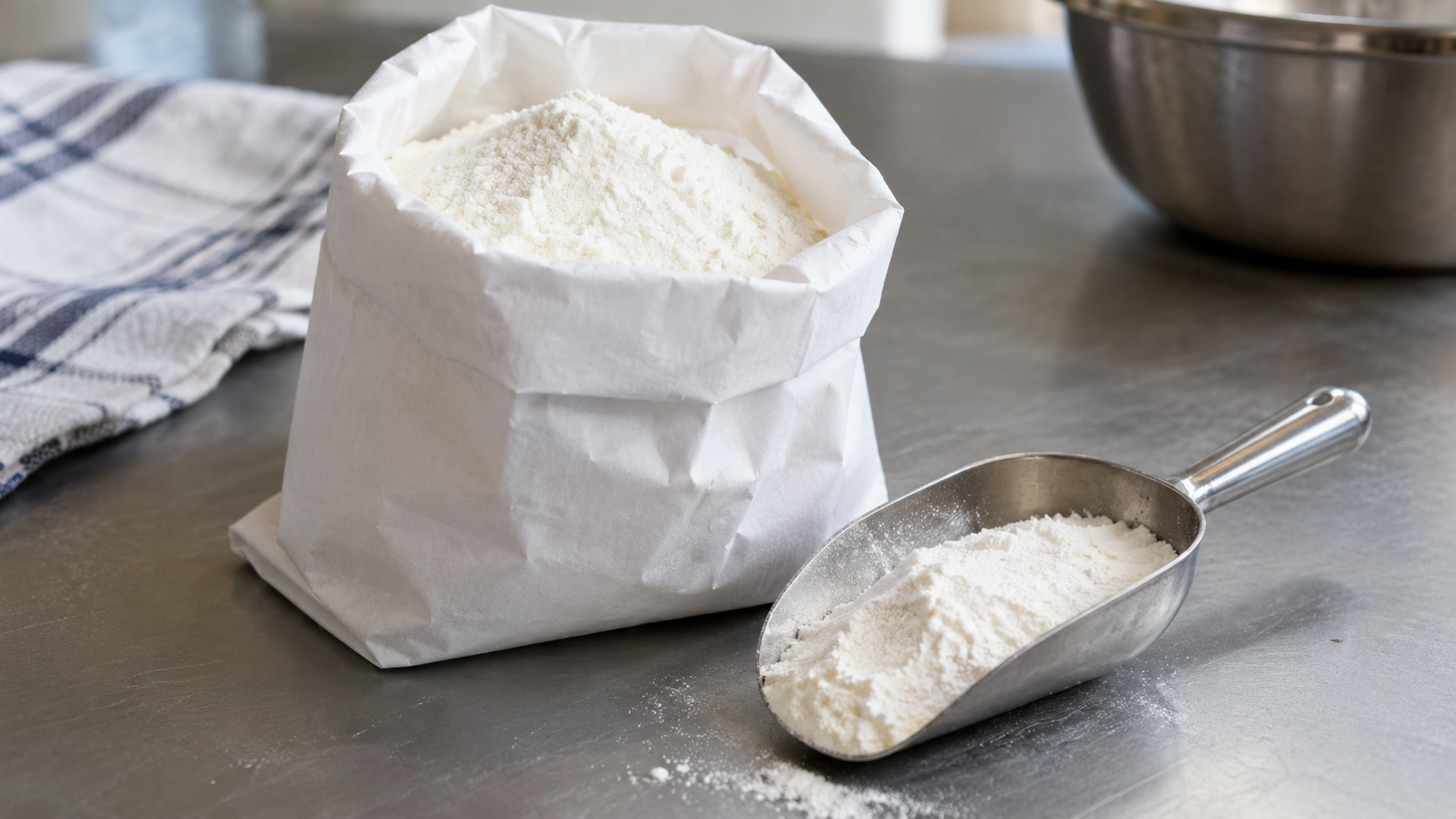
Saigao’s existing specification for a corn sourced DE10–15 maltodextrin describes a white or pale yellow powder, among other properties. It provides no evidence of organic certification for that grade. The corn source and DE range help identify the product; they cannot be turned into a claim that this grade is certified organic. That is the limit of what this specification establishes.
An organic ingredient does not make the finished food organic
There is another distinction: qualifying one maltodextrin product as organic does not automatically qualify a blend or finished food containing it for an organic claim. Ingredient certification addresses the ingredient itself. Any claim for the finished food must be assessed separately under the rules of the target market. Conversely, “natural,” “plant based,” or “Non-GMO” on a package does not establish an organic claim. These descriptions concern different matters and are not interchangeable.
For a specific maltodextrin sold as organic, the decision rests on whether that product matches a valid certificate, together with the target market’s claim and labeling rules. The starch source cannot stand in for product certification, and certification of an ingredient cannot stand in for the organic status of the entire food.
Related recommendations
-

Should You Take Prebiotics In The Morning Or At Night
1414Morning Or Night? Discover The Best Time To Take Prebiotics Based On Habit Loops And Your Digestive Tolerance.
View details -
Is Xylitol Same As Stevia
1305Is Xylitol Same As Stevia? Learn The Key Differences In Taste, Calories, And Health Impact To Choose The Best Sweetener.
View details -
Allulose comes from: Natural Sources and Production
360Learn where allulose comes from, how fructose becomes allulose, and why natural traces differ from commercial products.
View details -
What Is Polydextrose Used For
1199Discover What Polydextrose Is, Why It’S Used In Low-Calorie Foods, Its Health Benefits, And Tips For Safe Consumption.
View details