 SGNUTRI


Search Product
Can Maltodextrin Contain Gluten? Check the Source and Product
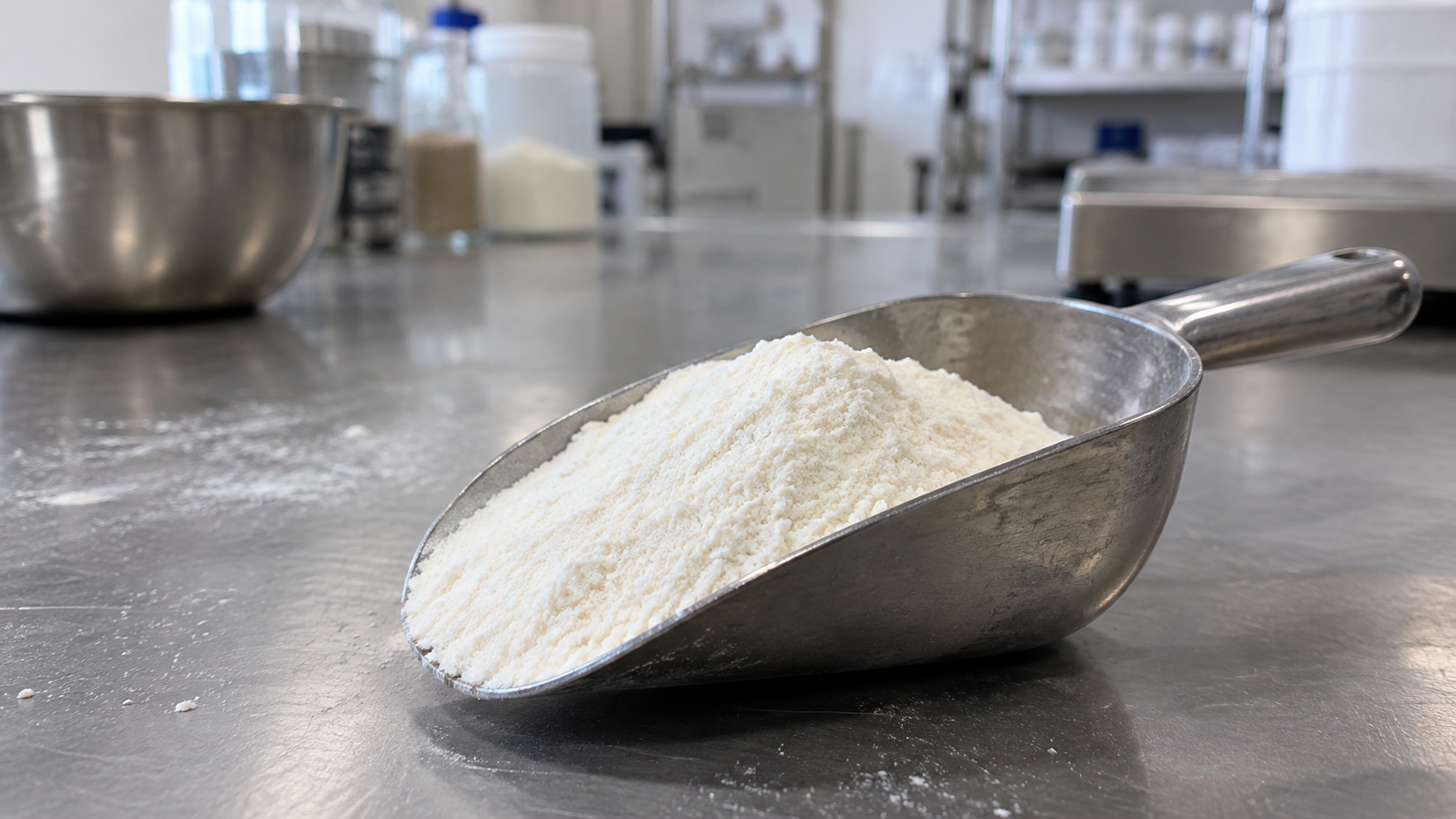
Seeing "maltodextrin" on an ingredient list does not establish that it contains gluten. Despite the word "malt" in its name, maltodextrin is a mixture of carbohydrates made by partially hydrolyzing starch. The name does not mean that the starch came from barley malt, and it does not tell you the gluten status of the finished food. The ingredient name alone usually does not identify the original starch source either.
The starch source is only part of the picture
Maltodextrin may be made from corn, rice, potato, or tapioca starch, and wheat starch is another possible source. Products from different sources can share the same ingredient name. For a particular product, its specification or traceability information is needed to establish the source.
Even confirmation of a corn, rice, or tapioca source does not, by itself, establish that the finished food qualifies for a gluten-free claim. Cross-contact during production, other ingredients in a blend, and the status of the final food are separate considerations.
Wheat source and finished-food status are different questions
A wheat-starch source warrants closer examination, but it does not automatically mean that the finished food fails gluten-free conditions. Maltodextrin undergoes partial starch hydrolysis and further processing. The conclusion for a specific product depends on its processing, residual protein, cross-contact, and applicable testing. A description of the process is not a substitute for evidence about residual protein or gluten.
In the United States, "gluten-free" is a voluntary label claim. The absence of the claim alone does not prove that a food contains gluten. When a food carries the claim, it must meet the ingredient conditions and keep unavoidable gluten below 20 ppm. That threshold is not a blanket guarantee for every maltodextrin product. Whether a food containing maltodextrin meets the claim must be judged from the finished food and its supporting evidence.
Gluten-free is not the same as free of wheat allergens
Gluten status and wheat allergen labeling answer different questions. In the United States, wheat is a major food allergen. Whether wheat-derived maltodextrin requires a wheat-source declaration depends on the presence of wheat-derived protein and any applicable exemption or regulatory determination. A gluten-free claim should not automatically be read as a "no wheat allergen" claim.
If an ingredient list says only "maltodextrin," it identifies the ingredient, not its starch source. The source, the finished food's gluten-free claim, and its wheat allergen information each need to be understood separately.
Related recommendations
-

Calories maltodextrin: How to Read the Number
146See How Calories Maltodextrin Estimates Work Per Gram And Why Product Type, Serving Amount And Labels Matter.
View details -
Can vitamin b12 deficiency be a sign of cancer
1477Learn whether vitamin B12 deficiency may signal cancer, its common causes, symptoms, and when to seek medical advice.
View details -
Does Soluble Fiber Dissolve In Water
1295Yes! Soluble Fiber Dissolves In Water. Discover The “Sponge Effect” For Better Digestion, Blood Sugar, And Cholesterol.
View details -
Does Allulose Help Lose Weight? How It Actually Works
1468Discover How Allulose Aids Weight Loss By Boosting Fat Oxidation And Triggering GLP-1. Get Expert Dosage Tips Here.
View details