
 SGNUTRI


Rechercher un produit
Does Resistant Dextrin Raise Blood Sugar
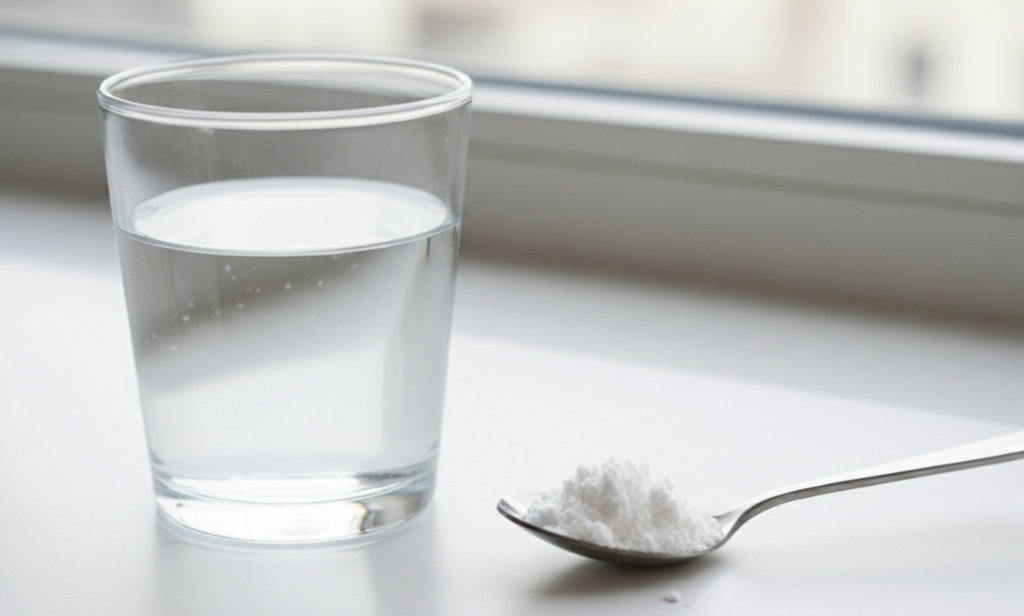
The answer is no: resistant dextrin does not raise blood sugar. It is different from the ordinary carbohydrate that immediately turns into glucose after eating. This thing is actually kind of water-soluble dietary fiber processed by special process, which cannot be digested in human stomach and small intestine. Because the body can’t absorb it, it has a glycemic index (GI) of almost zero and will never stimulate insulin secretion, let alone cause a dangerous spike in blood sugar. It is completely different from maltodextrin. Whether you are strictly monitoring your blood glucose meter (CGM) to control type 2 diabetes or on a ketogenic diet with a low-carb intake, you can safely consume drug-resistant dextrin.
Digestive Mechanisms: Why Does It Not Change Into Glucose
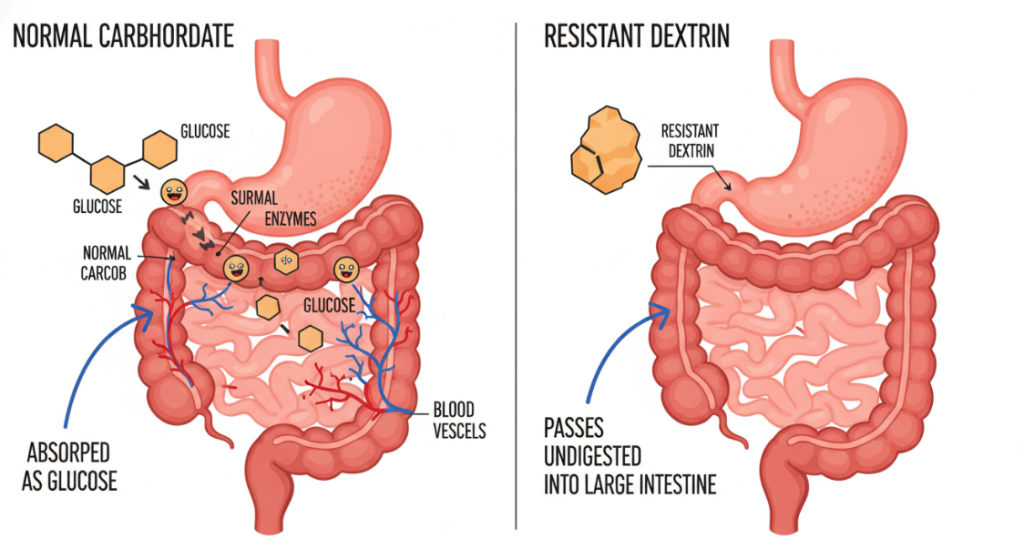
We need to sort out how the body deals with carbohydrates first. Ordinary carbohydrates that are usually eaten, once they enter the stomach, the digestive enzymes in the stomach and small intestine will rush up, quickly disassemble them into monosaccharides (that is, glucose), and then run directly into the blood. But resistant dextrin as the kind of water-soluble dietary fiber that has been specially “modified”, its chemical bond arrangement just perfectly avoids the recognition of human digestive enzymes.Our digestive enzymes can’t do anything about it. It just swaggered through the stomach and the small intestine intact. Since even a little bit of glucose has not been disassembled in this digestive tract, naturally there is no sugar to mix into the blood. This physiological level of “detour” is the root cause of your blood sugar measurement.
Near-Zero Glycemic Index (GI) And Insulin Stability
As long as you have controlled sugar, you are no stranger to the glycemic index (GI). This measure measures how fast food raises blood sugar. In fact, the logic is very simple. Since the human body cannot absorb resistant dextrin, its GI value naturally approaches zero indefinitely. When you eat this almost zero GI food, you directly cut off the kind of bad chain reaction that ordinary carbs often trigger. There’s no glucose in the blood, and the result is:
- No blood sugar spikes: Your blood sugar curve will be a reassuringly smooth straight line.
- No insulin spike: The pancreas can go on “vacation” at this time and does not need to be forced to secrete large amounts of insulin to cope with the excess sugar.
Resistant dextrin is a safe ingredient that is extremely friendly to metabolic health and is effective in preventing such violent fluctuations and the consequent collapse of hypoglycemia.
À la pointe de la nutrition
Fibres solubles
La fibre soluble est un ingrédient alimentaire très stable et indigeste qui favorise le contrôle du poids en augmentant la satiété et en réduisant la prise alimentaire. D'application polyvalente, elle est largement utilisée pour améliorer le profil nutritionnel et la texture des aliments, des boissons et des produits de santé.
Fibres solubles
Prébiotique
Un prébiotique fonctionne comme un facteur de prolifération qui est dégradé et utilisé de manière sélective par des bactéries intestinales bénéfiques, telles que Bifidobactéries. Ce processus exerce un effet positif sur la santé humaine en général, souvent accompagné d'avantages métaboliques tels qu'un faible impact calorique et des fluctuations minimes de la glycémie en raison de leur stabilité digestive unique.
Prébiotique
Vitamines
Les vitamines sont des micronutriments organiques essentiels, classés en formes hydrosolubles et liposolubles, qui régulent des processus physiologiques essentiels tels que le métabolisme, l'immunité et la coagulation. En raison de leur sensibilité à la lumière, à la chaleur et à l'humidité,
Vitamines
Resistant Dextrin VS Maltodextrin
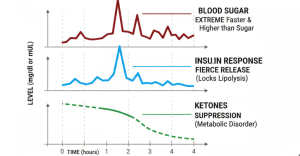
- Maltodextrin: This is a highly processed, extremely digestible carbohydrate. It has a frighteningly high glycemic index (usually between 85 and 105, even higher than white sugar at home).
- Resistant dextrin: It is processed by a specific process, the original structure of dextrin is changed, and the property of “anti-digestion” is obtained. This step directly changes it from a simple carbohydrate to a functional, non-digestible water-soluble fiber.
Don’t be fooled by their similar-sounding names. Maltodextrin is a blood sugar bomb, and resistant dextrin is an extremely safe, blood sugar-friendly cellulose.
Management Of Type 2 Diabetes And Safe Selection Of Ketogenic Diet
Because its ability to stabilize blood sugar is so good, resistant dextrin has now become the perfect ingredient for many people with strict dietary requirements.
For CGM Users And 2-Type Sugar Friends
If you’re managing type 2 diabetes and stare at a continuous ambulatory glucometer (CGM) every day, I can responsibly tell you that eating resistant dextrin won’t cause your instrument to sound any harsh alarms. This means that you can use it to improve the taste of food and supplement dietary fiber without the psychological burden of soaring blood sugar.
For Ketogenic Diet Practitioners
Friends who take the ketogenic route all know that if you want to stay in a state of ketosis, the core is to stick to “net carbohydrate” (total carbohydrate minus dietary fiber). Because resistant dextrin is completely resistant to digestion, it is 100 percent water-soluble dietary fiber in the nutritional classification, so its net carbon output is zero. You can safely tuck it into your ketogenic diet. This stuff will never disturb your macro nutrient calculation, and it will not kick you into the ketogenic state.
Author:Alex Carter
Hi, I’m a registered nutritionist and metabolic health specialist. In my years of clinical practice, I have helped countless patients safely manage Type 2 diabetes and optimize their keto-friendly lifestyles. I specialize in analyzing dietary fibers, Glycemic Index (GI), and Continuous Glucose Monitor (CGM) data.
Le précédent : Les fibres solubles sont-elles meilleures que les fibres insolubles ?Le suivant : Does Soluble Fiber Dissolve In Water
Recommandations connexes
-

Comment prendre des prébiotiques avec des probiotiques ?
203Apprenez comment prendre des prébiotiques avec des probiotiques. Prenez-les ensemble 15 à 30 minutes avant le petit-déjeuner pour obtenir des résultats optimaux en matière de santé intestinale.
Voir les détails -
Fructo-Oligosaccharide en poudre : Avantages pour la santé et utilisations
1170Découvrez ce qu'est la poudre de fructo-oligosaccharide, ses bienfaits pour la santé et ses utilisations courantes dans l'alimentation et les compléments alimentaires - SGNUTRI.
Voir les détails -
Les prébiotiques sont-ils des fibres solubles ou insolubles ?
195La plupart des prébiotiques sont classés comme des fibres solubles. Découvrez pourquoi elles constituent un sous-ensemble fonctionnel distinct des fibres insolubles.
Voir les détails -
La maltodextrine est-elle compatible avec l'alimentation céto ?
232La maltodextrine est-elle céto ? Non. Son indice Gi élevé (85-105) fait grimper la glycémie et interrompt la cétose plus rapidement que le sucre de table ordinaire.
Voir les détails