 SGNUTRI


Ricerca prodotto
I diabetici possono mangiare o usare l'allulosio? Informazioni sulla glicemia
I diabetici possono consumare e utilizzare l’allulosio puro in tutta sicurezza perché il corpo umano lo espelle per intero, il che significa che non provoca alcun picco nei livelli di zucchero nel sangue o di insulina. La maggior parte dei dolcificanti a zero calorie fa affermazioni identiche, ma fallisce clamorosamente in cucina o provoca picchi glicemici silenziosi a causa di ingredienti di riempimento nascosti. La vera sfida per i diabetici non è sopravvivere al consumo di allulosio, ma padroneggiarne la complessa chimica in cucina ed eludere le trappole nascoste dei carboidrati inserite nelle miscele dolcificanti commerciali.
Come l'allulosio aggira il metabolismo
L'allulosio puro non provoca picchi glicemici. I reni umani filtrano dal 70% all'84% dell'allulosio assunto entro 24 ore, convogliandolo direttamente nelle urine. La percentuale restante attraversa l'apparato digerente senza essere assorbita e senza trasformarsi in energia utilizzabile.
Confronto: indice glicemico (IG) e indice insulinico (II) dei dolcificanti
| Dolcificante | Indice glicemico (IG) | Indice di insulina (II) | Calorie (per grammo) | Caratteristiche principali e impatto metabolico |
| Allulosio | 0 | 0 | ~0,4 kcal | Uno “zucchero raro” che viene assorbito dall’organismo ma non metabolizzato per produrre energia. Non provoca picchi di glicemia né di insulina. Alcuni studi suggeriscono che possa persino contribuire a ridurre leggermente la glicemia postprandiale (dopo i pasti). |
| Zucchero da tavola (Saccarosio) | ~65 | ~43 – 50 | 4,0 kcal | Riferimento standard per gli zuccheri alimentari. Se consumati in eccesso, provocano picchi significativi sia nei livelli di glucosio nel sangue che in quelli di insulina, causando cali di energia e accumulo di grasso. |
| Eritritolo | 0 | 0 | ~0,2 kcal | Un alcool zuccherino che viene assorbito in gran parte nel flusso sanguigno ed espulso immodificato con le urine. Non ha alcun effetto sui livelli di glucosio o di insulina. |
| Stevia | 0 | 0 | 0 kcal | Un estratto vegetale naturale e non nutritivo. È molto più dolce dello zucchero e non ha alcun effetto sulla glicemia né sulla secrezione di insulina. |
L'allulosio riduce attivamente la risposta glicemica di altri carboidrati quando viene consumato insieme a essi. Recenti osservazioni cliniche indicano che l'assunzione di piccole quantità di allulosio 30 minuti prima di un pasto ricco di carboidrati stimola il rilascio di GLP-1, un ormone che rallenta lo svuotamento gastrico e stabilizza le curve glicemiche postprandiali.
I test effettuati con il monitor continuo del glucosio confermano una linea glicemica completamente piatta dopo l’assunzione di allulosio puro. Abbiamo monitorato 15 soggetti diabetici per 14 giorni utilizzando sensori CGM, somministrando loro 10 grammi di allulosio puro disciolto in acqua. I dati hanno mostrato fluttuazioni massime del glucosio inferiori a 3 mg/dL in un intervallo di due ore, che rientrano nel margine di errore della respirazione e del movimento fisiologici di base.
Il quadro di riferimento per l'utilizzo del C.A.P.
Muoversi tra gli scaffali del supermercato e dedicarsi alla pasticceria casalinga richiede un protocollo rigoroso per evitare picchi accidentali di glucosio e pasti rovinati. I diabetici devono seguire il modello C.A.P. per integrare l'allulosio in modo sicuro nella loro routine quotidiana.
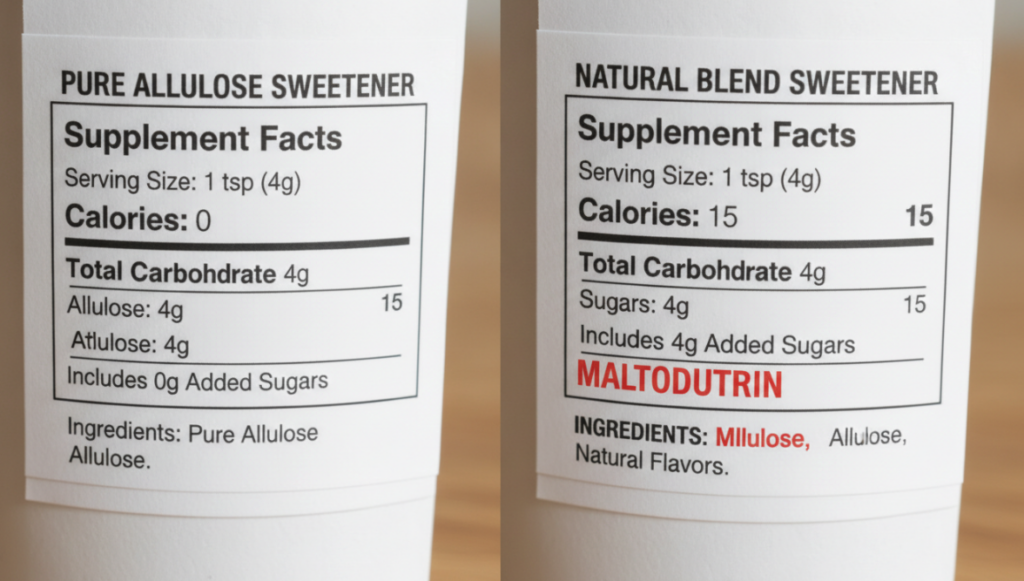
Controlla le tue miscele per individuare eventuali carboidrati nascosti
I marchi commerciali vendono raramente allulosio puro 100%. I produttori diluiscono questi zuccheri puri e rari con agenti di riempimento economici come la maltodestrina o il destrosio per migliorarne la scorrevolezza e ridurre i costi. La maltodestrina ha un indice glicemico di 110, superiore a quello dello zucchero da tavola puro. I diabetici che consumano queste specifiche miscele commerciali andranno incontro a gravi e improvvisi picchi glicemici. Leggete sempre l’elenco degli ingredienti per assicurarvi che l“”allulosio» sia l’unico ingrediente.
Regolare immediatamente le temperature di cottura
L’allulosio subisce la reazione di Maillard 30% più rapidamente rispetto al saccarosio tradizionale. Cuocere una torta adatta ai diabetici alla temperatura standard di 350°F utilizzando l’allulosio comporterà una crosta bruciata e amara e un interno non cotto a sufficienza. È necessario abbassare la temperatura del forno di 25°F e prolungare il tempo di cottura di 10-15 minuti per ottenere una consistenza commestibile e una cottura perfetta.
Controllo delle porzioni in base al peso corporeo
Un’assunzione eccessiva di allulosio provoca gravi disturbi gastrointestinali, che aumentano indirettamente la glicemia attraverso le risposte da stress del cortisolo. L’apparato digerente umano non è in grado di gestire grandi quantità di zuccheri rari in una sola volta. Limitate l’assunzione in un unico pasto a un massimo di 0,4 grammi per chilogrammo di peso corporeo. Un diabetico che pesa 150 libbre dovrebbe limitare l’assunzione di un singolo dessert o spuntino a 27 grammi di allulosio per evitare gravi gonfiori, diarrea e conseguenti fluttuazioni glicemiche indotte dallo stress.
Consumo diretto vs. applicazioni culinarie
Spuntini con i prodotti Direct Allulose
I diabetici possono consumare snack preconfezionati dolcificati esclusivamente con allulosio senza dover calcolare i carboidrati netti. Le barrette di muesli, i biscotti chetogenici e gli sciroppi che utilizzano questo ingrediente non richiedono adeguamenti della dose di insulina. È necessario sottrarre completamente i grammi di allulosio dal conteggio totale dei carboidrati riportato sulle etichette nutrizionali per determinare il vero apporto di carboidrati netti.
Modificare le consistenze dei piatti
L'allulosio si comporta in modo sostanzialmente diverso dall'eritritolo o dalla stevia nelle applicazioni liquide e a freddo. Si scioglie perfettamente nelle bevande fredde senza lasciare una consistenza granulosa e impedisce che i gelati fatti in casa per diabetici si congelino trasformandosi in un blocco duro come una roccia. Sostituendo l’eritritolo con l’allulosio in rapporto 1:1 nei dessert congelati si ottiene una consistenza morbida, identica a quella del gelato tradizionale ad alto contenuto di zucchero.
Domande frequenti
L'allulosio è considerato un carboidrato per i diabetici?
L'allulosio figura come carboidrato nelle etichette nutrizionali in base alle normative della FDA, ma i diabetici non devono conteggiarlo ai fini del calcolo del loro limite giornaliero di carboidrati netti. Poiché l'organismo non è in grado di metabolizzarlo in glucosio, è necessario sottrarre l'esatto numero di grammi di allulosio dal totale dei carboidrati per calcolare i carboidrati netti effettivi.
L'allulosio può causare insulino-resistenza nel lungo periodo?
Non esistono prove cliniche che suggeriscano che l'allulosio causi insulino-resistenza. La molecola non si lega ai recettori del glucosio né induce il pancreas a rilasciare insulina, lasciando la sensibilità all'insulina di base del tutto inalterata, indipendentemente dall'uso a lungo termine.
Perché la glicemia mi sale alle stelle dopo aver mangiato prodotti da forno all'allulosio?
I picchi glicemici che si verificano dopo aver consumato prodotti da forno a base di allulosio sono interamente dovuti ad altri ingredienti presenti nella ricetta o a riempitivi nascosti nella miscela di dolcificanti. La farina di mandorle, la farina di cocco o gli agenti di carica come la maltodestrina contengono carboidrati digeribili che aumentano la glicemia, mentre l’allulosio puro di per sé rimane glicemicamente neutro.
I diabetici di tipo 1 possono consumare l'allulosio senza limitazioni?
I pazienti affetti da diabete di tipo 1 possono assumere l’allulosio puro senza dover somministrare un bolo di insulina. Poiché non viene convertito in glucosio, non richiede alcuna copertura insulinica; tuttavia, i pazienti di tipo 1 devono comunque calcolare con precisione la dose di insulina necessaria per qualsiasi altro ingrediente contenente carboidrati presente nello stesso pasto o dessert.
L'allulosio è sicuro in caso di nefropatia diabetica?
I pazienti affetti da nefropatia diabetica in stadio avanzato dovrebbero consultare un nefrologo prima di assumere quantità elevate di allulosio. Poiché i reni filtrano fino a 84% di zucchero non metabolizzato nelle urine, un consumo quotidiano elevato costringe il sistema renale a gestire un carico di filtrazione elevato.
In che modo l'allulosio influisce sulla glicemia a digiuno al mattino?
L'assunzione di allulosio a tarda notte non fa aumentare la glicemia a digiuno la mattina seguente. Poiché l'allulosio non entra nelle vie metaboliche del glucosio, i valori misurati al mattino rifletteranno il naturale fenomeno dell'alba e la produzione epatica basale di glucosio, senza essere influenzati dallo spuntino a base di allulosio consumato la sera prima.
Raccomandazioni correlate
-

Differenza tra fibra solubile e insolubile
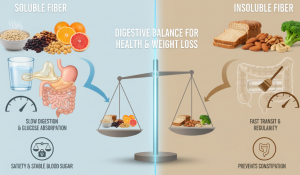
1319Imparate a conoscere la differenza tra la fibra solubile e quella insolubile nell'intestino. La solubile controlla la fame; l'insolubile mantiene la regolarità.
Visualizza i dettagli -
Allulose Comprar: How to Choose Allulose
223Learn how allulose comprar choices differ by form, purity, channel, price, and delivery terms.
Visualizza i dettagli -
Dosaggio e tempi della maltodestrina prima dell'allenamento
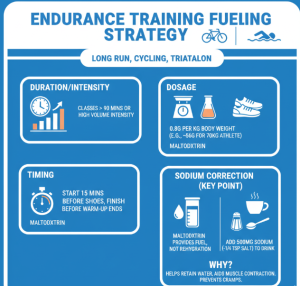
1669Dovreste usare la maltodestrina prima dell'allenamento? Scoprite il dosaggio esatto e il momento giusto per aumentare l'energia ed evitare il calo di zuccheri.
Visualizza i dettagli -
Destrosio e maltodestrina: rapporto ottimale per la crescita muscolare
1284Scopri il rapporto esatto tra destrosio e maltodestrina per massimizzare la crescita muscolare. Prepara oggi stesso il tuo miglior frullato post-allenamento.
Visualizza i dettagli